
Article content
According to the World Health Organization (WHO), cardiovascular diseases account for 30% of all premature deaths and are the leading cause of death. These diseases are not always accompanied by warning signs, and some symptoms are very difficult to detect.
Therefore it is very important to take care of your heart’s health with a healthy diet and an active lifestyle. In this article we list 8 signs that may indicate a risk of heart disease.
1. Snoring and sleep apnea
With sleep apnea the risk of heart attack is three times higher than usual. Sleep apnea can damage the right side of the heart by putting great pressure on the lungs.
2. Sudden fatigue
This is the most misleading symptom because it can have many causes. If you don’t exercise enough, it can appear for that reason too, but the point is the same: your body is not getting enough oxygen because blood flow is inadequate.
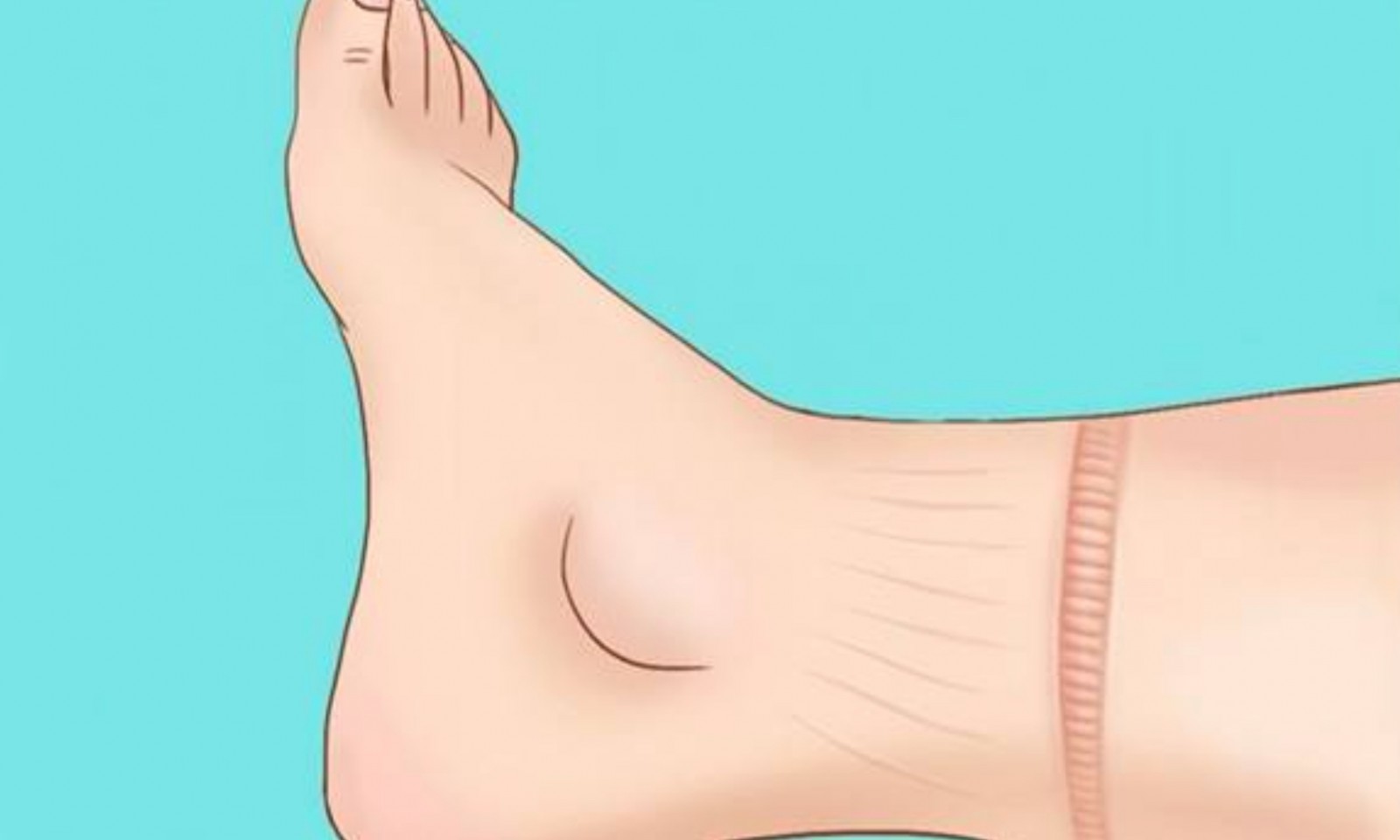
3. Leg swelling
Swelling is often a sign of ischemic heart disease and right-sided heart failure. You’ll easily notice it when you take off your socks and the elastic part of the sock leaves a mark on your foot.
4. Cough
Although a chronic cough can be a symptom of many different causes, it can also be a sign of heart failure if it is accompanied by pinkish mucus.
5. Shortness of breath
Breathing is closely related to the function of the right side of the heart. If the heart cannot pump blood properly, shortness of breath may occur. This is usually a symptom of left-sided heart failure.
6. Dizziness
With cardiovascular diseases there is reduced blood flow to the brain. This causes sudden dizziness, especially with heart failure. If you experience chest pain, you should see a doctor.
7. Pain in the left arm
Pain during a heart attack spreads from the jaw to the left arm. Even if the pain is not very strong, it is better to visit a doctor so they can determine the cause as soon as possible and start treatment if necessary.
8. Migraine
Migraines occur in about 12% of the population, but they can affect up to 40% of people with cardiovascular disease. If you suffer from migraines regularly, consult your doctor.
Source: tudasfaja.com


