
Article content
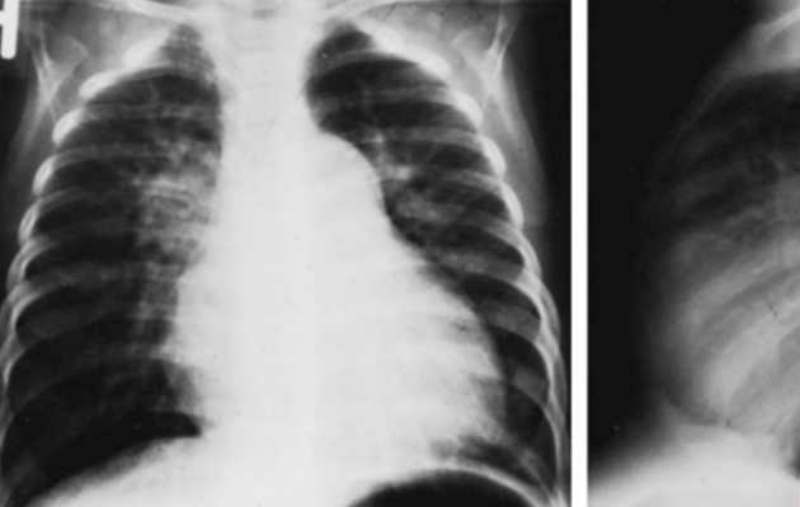
Inflammation of the lungs, medically known as pneumonia, is a serious inflammatory disease affecting the lungs. It can be caused by various pathogens, including bacteria, viruses, and in some cases atypical microorganisms. This condition is not just a single type of infection, but rather a complex group of illnesses that can manifest in different ways. What are the symptoms that may point to pneumonia and are often overlooked?
Causes and risk factors
Pneumonia often begins with the inhalation of pathogenic microorganisms into the lungs. Pathogens can also spread through the blood or directly from surrounding tissues. The most common bacteria causing pneumonia in adults are Streptococcus pneumoniae (pneumococcus), Staphylococcus aureus, Legionella pneumophila, and Haemophilus influenzae, which often appears in smokers. Pneumonia can also be caused by viruses, such as the influenza virus, which can trigger the infection either on its own or in combination with other pathogens, such as Staphylococcus aureus.
The highest-risk groups include alcoholics, smokers, diabetics, people with chronic heart or lung diseases, children, seniors, and people with weakened immune systems. Bedridden patients and individuals with intellectual disabilities are also especially susceptible to this infection.
Signs and symptoms of pneumonia
Pneumonia can present in various ways, depending on the type of pathogen and the patient’s overall condition. The most common symptoms include:
- High fever: A sudden rise in temperature is a typical symptom that accompanies most cases of pneumonia.
- Cough: Initially a dry cough, which can gradually change into a cough that produces phlegm. Bringing up phlegm usually provides relief.
- Sharp chest pain: This pain may worsen with breathing, often leading to shallow and rapid breathing.
- Rapid pulse and breathing: Increased heart rate and accelerated breathing are common manifestations of fever and respiratory failure.
Atypical presentations
Pneumonia does not always present with classic symptoms. For example, in older people or patients with weakened immune systems, pneumonia may have a milder but more insidious course. It may manifest only as a mild cough, fatigue, or confusion, which can lead to underestimation of the severity of the disease.
Prevention and treatment
Pneumonia is a serious condition that requires timely diagnosis and treatment. If you develop the symptoms listed above, it is important to seek medical attention immediately. Most cases of pneumonia are treated with antibiotics if caused by a bacterial infection, or with antivirals if caused by a virus. Proper hydration and rest are also key.
Conclusion
Pneumonia is a dangerous disease that can have serious consequences if not diagnosed and treated in time. Keep in mind that seemingly minor symptoms, such as mild chest pain or a persistent cough, can signal pneumonia. If you experience any of the above symptoms, do not hesitate to seek medical help. Timely treatment can be key to a successful recovery.


