
Article content
Iron deficiency is one of the most common health problems, affecting millions of people worldwide. This condition, also known as iron deficiency anemia, occurs when you have an insufficient amount of iron in your body, which leads to a lower number of red blood cells and decreased levels of hemoglobin. While many people know that iron deficiency can cause fatigue and weakness, there are a number of lesser-known symptoms that may indicate you are lacking this important mineral.
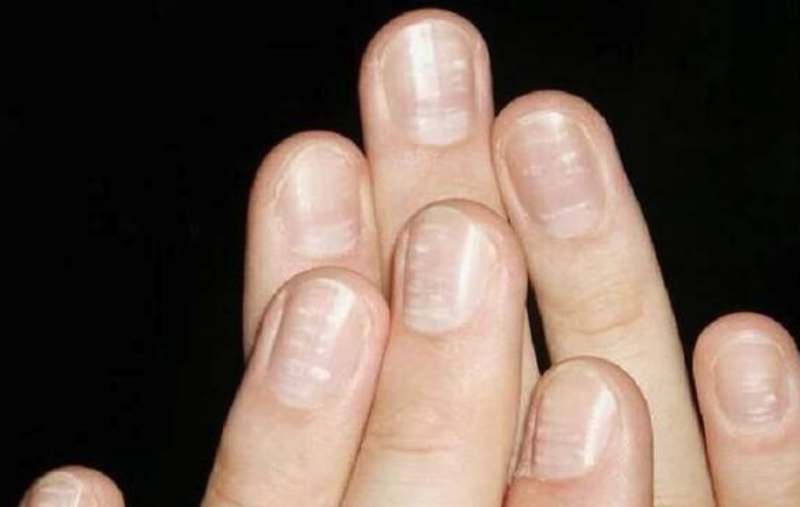
1. Brittle nails
If your nails break or crumble easily, it may be a sign of iron deficiency. Iron is key for maintaining the strength and health of nails. Low iron levels can cause nails to become weak and fragile.
2. Strange cravings
This unusual symptom includes a desire for inedible things like paper or clay, and often ice as well. While the exact cause of this urge is not entirely clear, scientists believe it may be the body’s attempt to obtain needed minerals.
3. Swollen tongue
If you have swelling, inflammation, or pain in the tongue, it may be due to iron deficiency. The tongue may appear pale and smooth, which is a result of low hemoglobin levels. This condition can affect your ability to chew, swallow, and speak.
4. Headache
Persistent headache that does not improve may be caused by iron deficiency. Low hemoglobin levels mean less oxygen reaches the brain, which can trigger frequent headaches.
5. Cold hands and feet
If you feel cold in your hands and feet, it may be related to iron deficiency. Iron affects thyroid hormone metabolism, which regulates body temperature. Low iron levels can disrupt this process and make you feel cold.
6. Frequent infections
Frequent infections or inflammation can be a sign of iron deficiency. Iron is crucial for proper immune system function, and its deficiency can increase your susceptibility to infections. If you often suffer from infections, tell your doctor.
7. Tingling in the legs
If you experience tingling or numbness in the legs, it may be a result of low hemoglobin levels. Iron deficiency leads to lower hemoglobin, which can cause uneven distribution of oxygen in the body and tingling in the limbs.
8. Pallor
One of the most visible signs of iron deficiency is pale skin. Healthy blood flow gives the skin its color, and if you are iron deficient, your skin may appear unhealthily pale.
9. Overall fatigue
Chronic fatigue is another common symptom of iron deficiency. Low hemoglobin means less oxygen reaches the body and brain, leading to tiredness and low energy levels. If you constantly feel tired, it is important to check your iron levels.
What to do if you suspect iron deficiency
If you notice some of these symptoms, it is important to visit a doctor and have your blood iron levels checked. Iron deficiency can be easily diagnosed with blood tests and your doctor may recommend appropriate treatment, including dietary changes and supplements.
Pay attention to your nutrition and include iron-rich foods in your diet, such as red meat, spinach, lentils, and others. This way you can help keep your iron levels normal and prevent further problems associated with the deficiency of this key mineral.


