
Article content
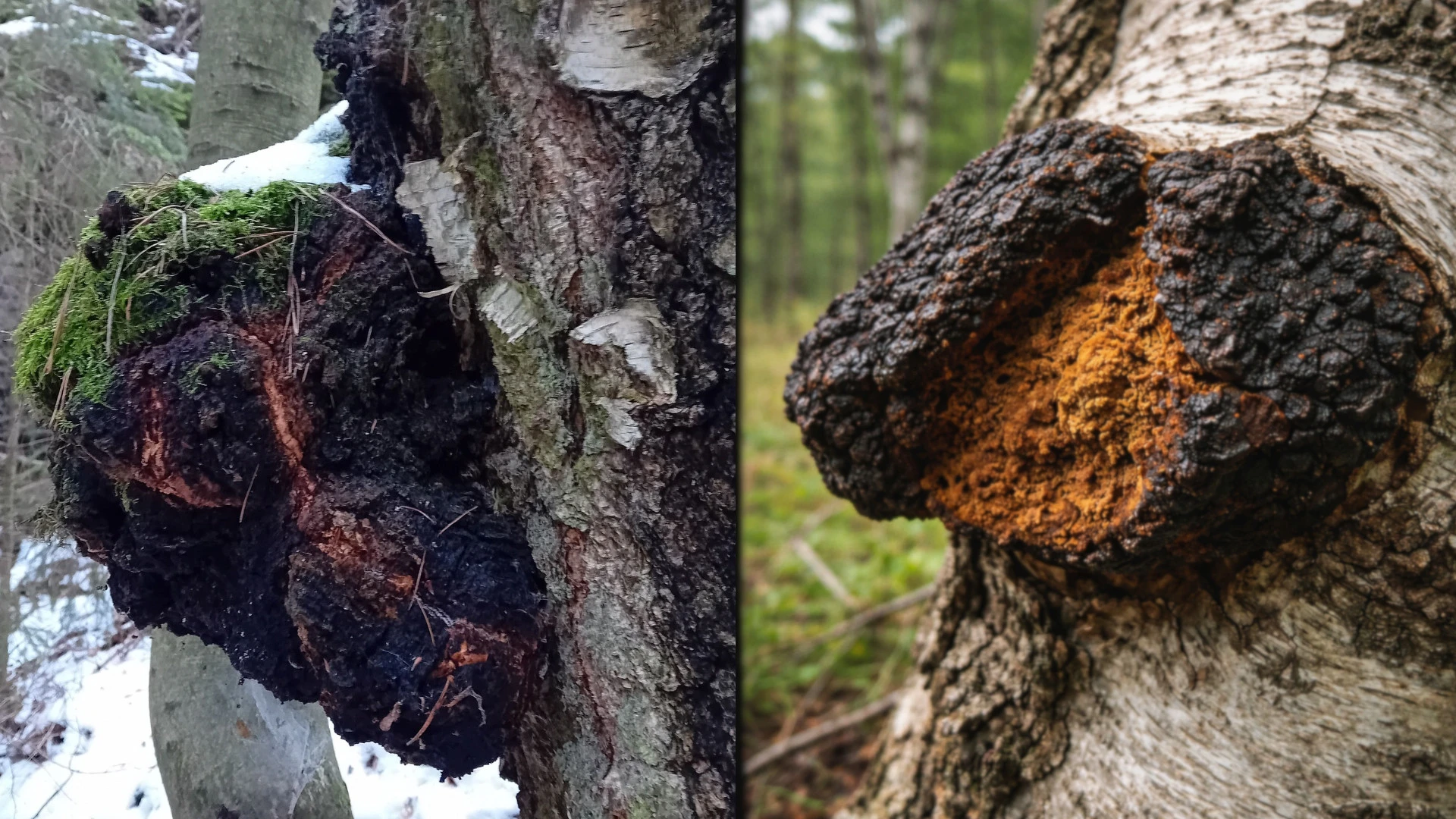
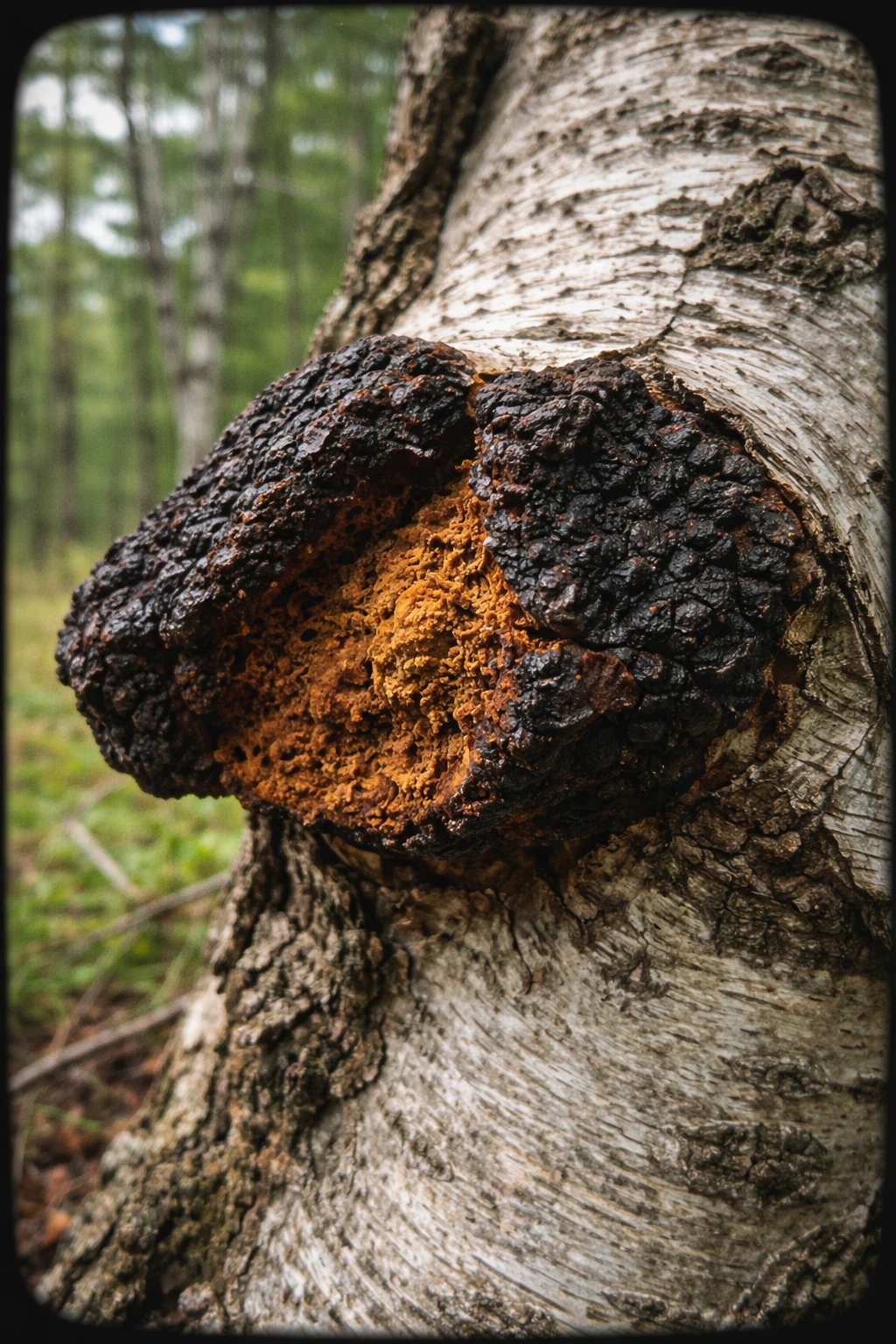
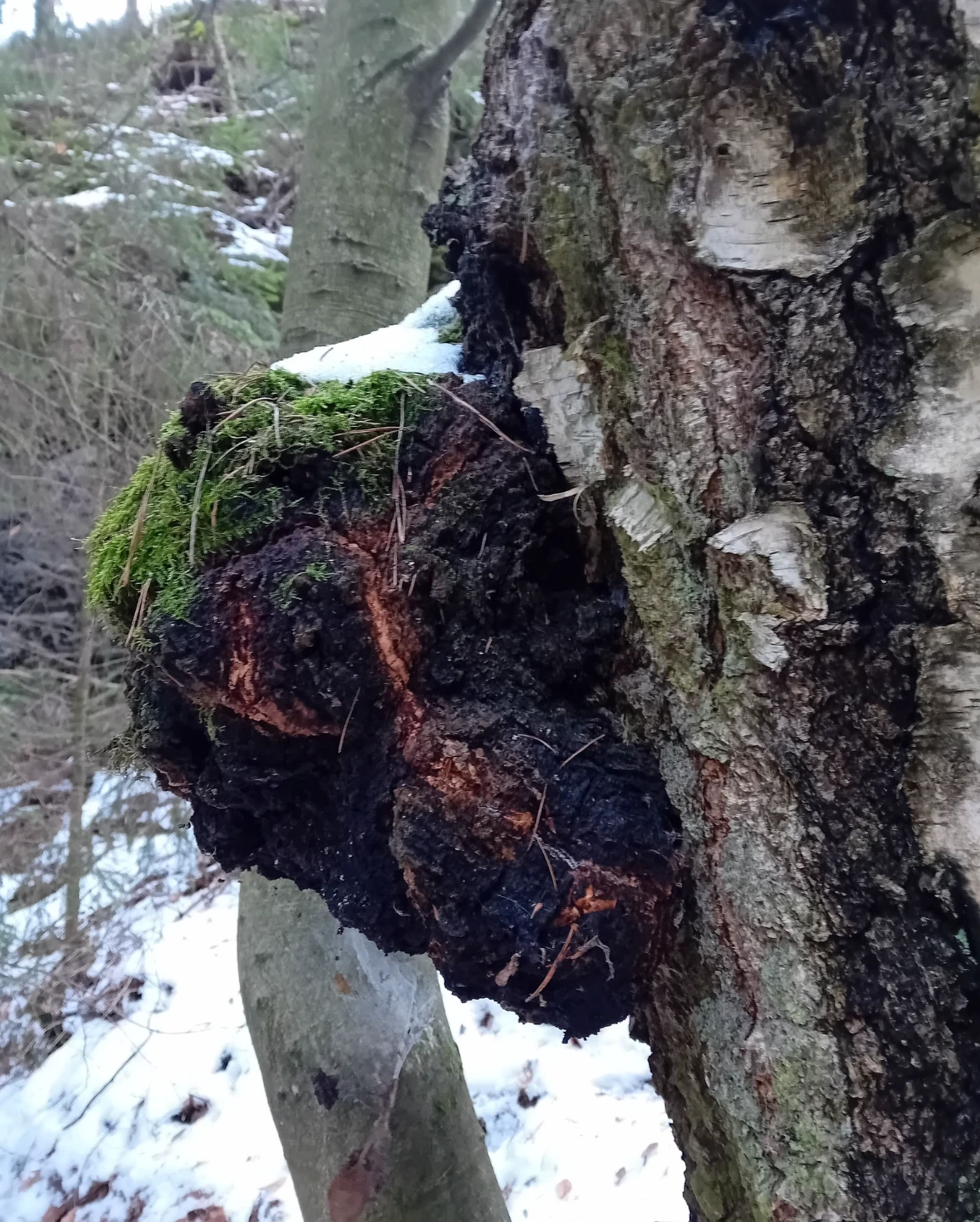
Chaga (Latin Inonotus obliquus) is a medicinal mushroom that grows primarily on birch trunks in the cold regions of the Northern Hemisphere. For centuries it has been part of traditional folk medicine, especially in Russia and the Nordic countries. Today chaga is gaining attention in the modern world as well due to its high antioxidant content and other compounds that may have positive effects on the human body.
Immune system support
One of the main reasons people use chaga is its potential effect on the immune system. Chaga contains polysaccharides, mainly beta-glucans, which are known to support the body’s natural defenses. These compounds may help activate immune cells and contribute to a better response of the body to external stressors.
Regular use of chaga is therefore popular especially during periods of increased physical or mental stress and in cold months when the body is more susceptible to weakening.
Strong antioxidants and cell protection
Chaga is among mushrooms with a very high antioxidant content. It contains polyphenols, melanin and other bioactive compounds that help neutralize free radicals in the body. Free radicals are associated with oxidative stress, which can contribute to cellular aging and damage.
Thanks to its antioxidant properties, chaga can be a suitable supplement for people who want to support long-term cellular protection and the overall vitality of the body.
Anti-inflammatory effects and regeneration of the body
Another frequently mentioned property of chaga is its anti-inflammatory effects. Some compounds contained in this mushroom may help reduce inflammatory processes in the body, which are associated with a range of lifestyle-related diseases.
That is why chaga is sought after by people who focus on overall body regeneration, balance and supporting healthy body functions in the long term.
Support for digestion and metabolism
In traditional use, chaga was also often associated with supporting digestion. Some sources state that it may have a positive effect on gut balance and thereby indirectly influence the absorption of nutrients and overall metabolism.
Chaga is also being studied in relation to regulating blood sugar and lipid levels, which makes it an interesting supplement for people who actively take care of their lifestyle and eating habits.
Ways to use chaga
Chaga can be taken in several forms, with the choice depending on personal preferences and lifestyle. The most traditional form is tea or a decoction from dried chaga, which is prepared by steeping in hot water.
Other options include extracts, tinctures or capsules, which offer a more concentrated form of active compounds and easy dosing. When choosing a product it is always important to pay attention to the quality of the raw material and gentle processing.
Final tips, advice and recommendations for using chaga
Chaga can be a very interesting supplement for anyone who is long-term interested in natural support for health and bodily balance. It is important to approach it realistically – it is not a miraculous remedy, but a functional natural raw material whose effects usually appear with regular and long-term use. The best results can be achieved when chaga is part of an overall healthy lifestyle that includes a balanced diet, sufficient exercise and quality rest.
If you are just starting with chaga, it is recommended to choose a simpler form, such as tea or a decoction, and begin with a smaller dose. This gives the body space to gradually get used to the new compounds. Regularity is also important – short-term or sporadic use usually does not bring significant results. Many people make chaga part of their daily ritual, similar to herbal teas or morning coffee.
When choosing chaga products, quality is crucial. Ideally, chaga should come from a clean environment, traditionally collected from birch trees and gently processed to preserve as many natural compounds as possible. Avoid products with unclear origins or added artificial substances. For extracts and capsules, check the concentration of active ingredients and the method of processing.
For long-term use, it is recommended to include short breaks, for example after several weeks of regular consumption. This approach is common with other natural supplements as well and allows the body to maintain its natural balance. If you are taking medications, suffer from a chronic condition or are unsure about suitability, it is always sensible to consult a doctor or a nutrition specialist.
Properly chosen and high-quality chaga can thus become part of daily care for both body and mind. Whether you take it as tea, an extract or capsules, it can contribute to a feeling of vitality, balance and better awareness of your own body. Often the greatest benefits of natural materials like chaga lie in simplicity, regularity and quality.