

Article content
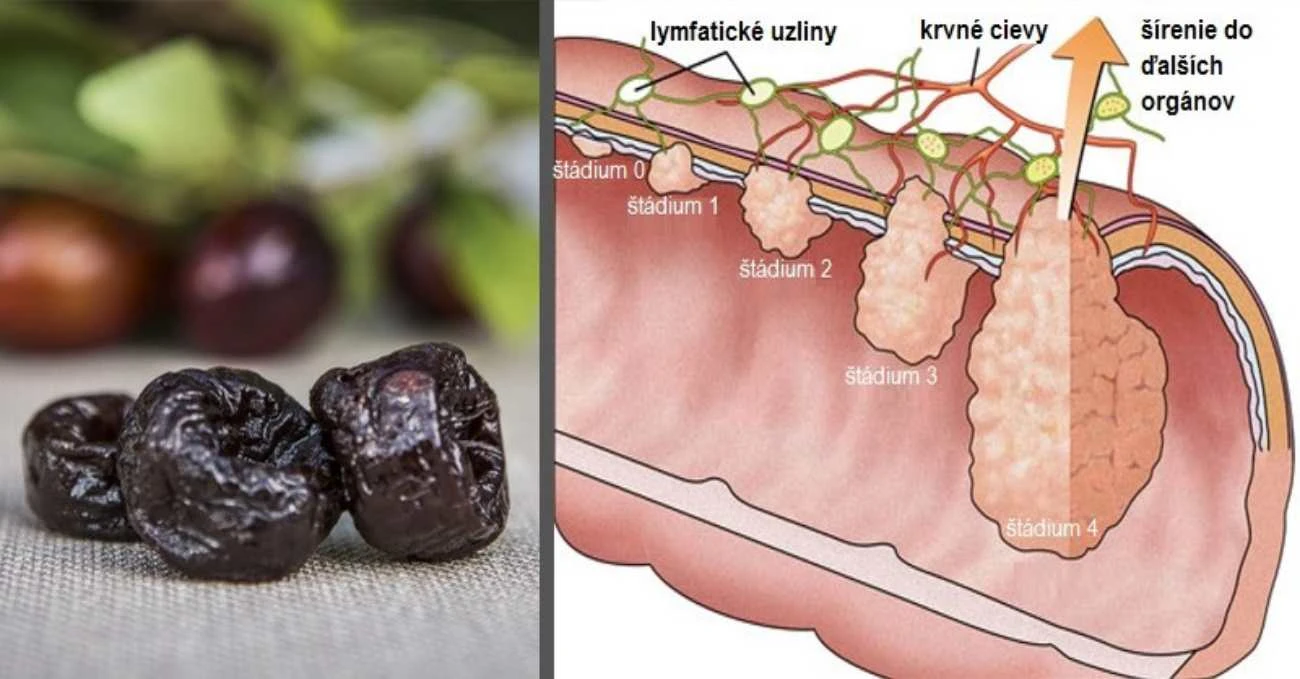
Research in the field of nutrition increasingly shows that what we eat has a fundamental impact not only on digestion but also on long-term health. One of the foods that has been gaining scientists’ attention in recent years is dried plums. Although they are not among the most popular fruits, their effects on the gut microbiota may play an important role in preventing colon cancer.
Current findings suggest that regular consumption of dried plums, which have pronounced prebiotic properties, may contribute to lowering the risk of this serious disease. Gut health is now considered one of the key pillars of overall health.
Probiotics and prebiotics: the foundation of healthy guts
Before we get to the research itself, it is important to clarify two terms that are often confused – probiotic and prebiotic.
Probiotics are live, beneficial bacteria that naturally inhabit our intestines and are involved in digestion, immunity, and protecting the intestinal lining.
Prebiotics, on the other hand, are substances, mostly found in foods, that serve as nourishment for these beneficial bacteria and support their growth.
Dried plums are among foods high in prebiotic fiber, which helps maintain the balance of the gut microbiota.
How dried plums affect the gut microbiota
The study that attracted the attention of the professional community was led by Dr. Nancy Turner of Texas A&M University, where she serves as a professor in the Department of Nutrition and Food Science.
The aim of the research was to observe how consumption of dried plums affects the composition of the gut microbiota and colon health. More than 400 species of bacteria are found in the human gut – some are beneficial, some neutral, and some potentially harmful.
If the balance shifts in favor of harmful bacteria, inflammatory processes arise. Chronic inflammation is considered one of the main risk factors for the development of colon cancer.
Phenolic compounds and their protective effect
The research also included the study of phenolic compounds, which are present in high amounts in dried plums. These substances have strong antioxidant properties and help neutralize free radicals.
Free radicals can damage cellular DNA and increase the risk of cancerous cells forming. The antioxidants found in dried plums can thus indirectly contribute to protecting colon cells.
Course of the experiment on laboratory mice
The study was conducted on laboratory mice that were divided into two groups. The first group received a diet enriched with dried plums, while the second group had a control diet without them.
Both diets were calorically and nutritionally matched to ensure that differences in results would be caused exclusively by the presence of dried plums. Subsequently, intestinal contents and colon tissue were analyzed.
Results that interested scientists
Mice that consumed dried plums had higher amounts of beneficial bacteria in their intestines and a lower representation of harmful microorganisms. The control group showed the opposite ratio.
Furthermore, mice on the plum diet showed a lower incidence of abnormal growths in the colon. These changes are often considered an early indicator of increased cancer risk.
What this means for humans
It is important to emphasize that these are results obtained from an animal model. Nevertheless, they provide valuable insight into how diet can affect colon health in humans as well.
Dried plums support a healthy gut microbiota, help reduce inflammatory processes, and provide the body with antioxidants. These factors play a significant role in preventing colon cancer.
Final summary
The research results suggest that regular and moderate consumption of dried plums may be a simple step toward improving gut health. A healthy microbiota in the colon creates an environment that is less favorable for the development of tumors.
Although further studies in humans are needed, the current findings represent a promising direction in cancer prevention through diet.


