Article content
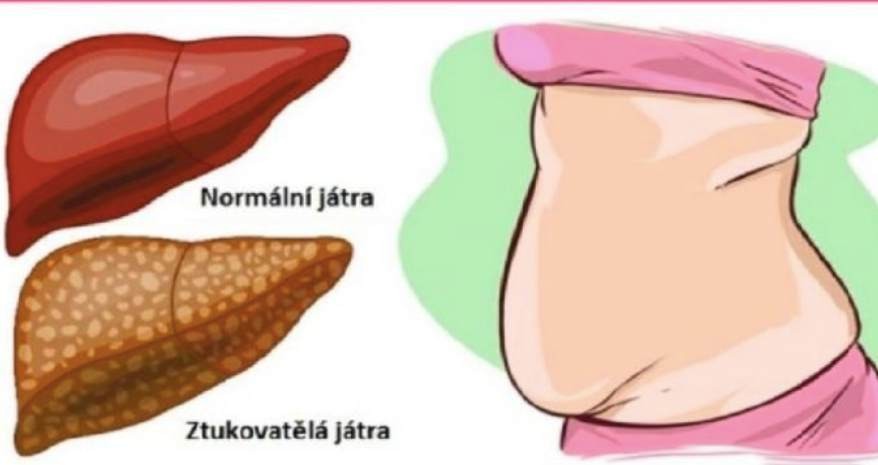
Fat in the liver, or fatty liver, are terms we use to refer to the accumulation of triglycerides (fats) in liver cells.
This accumulation of fat is most often caused by overweight and insulin resistance, which disrupt the proper functioning of our metabolism.
This means that any significant deviation from the optimal state of our body (overweight, insulin resistance, etc.) manifests itself by fat accumulating in the cells of our liver.
And because the liver is not able to properly process this fat, the result is a gradual fatty degeneration of the liver.
A diet consisting of foods that contain excessive fats, combined with other factors (stress, lack of exercise, irregular sleep, etc.) can also result in the development of fat in the liver.
In short, we can summarize some of the most common causes that may lead to fat accumulation in the liver – they are:
- excessive consumption of alcoholic beverages,
- insulin resistance,
- overweight,
- congenital metabolic disorders,
- toxic chemicals in the environment
- and some medications that prevent the liver from functioning optimally.
The problem is that, especially in the early stage, it is almost impossible to observe some symptoms of fat accumulation in the liver. Usually it manifests as more frequent mild stomach nausea and persistent fatigue.
However, the accumulation of fat in the liver leads to its enlargement. By direct examination (even by palpation) it should therefore not be difficult for a physician-specialist to notice an enlarged liver.
If our goal is to reduce or eliminate the liver fat problem, it will be necessary to make some changes to our lifestyle.
Among other things, we can specifically change by limiting alcohol consumption, reducing the amount of fats in our diet, losing body weight and preventing diabetes.
In addition, in this article we bring you some commonly available foods that help remove fat from our livers.
1. Artichoke
Artichoke is high in cynarin. Cynarin is a bioflavonoid that can help restore liver cells and thus influence their overall recovery. Of course, usually only the flower heads are eaten, but a considerable amount of nutrients can also be obtained by consuming the stems and leaves of the artichoke. Artichoke juice is also very useful for cleansing the liver. If your financial means allow and you start using an artichoke drink, the recommended dose is 3 tablespoons per day.
2. Swiss chard
Swiss chard is a dark leafy vegetable similar in taste to spinach, but unlike spinach it has more colorful leaves. This vegetable is exceptionally nutritious and high in vitamins. Of all minerals, chard contains particularly high amounts of iron. Chard is especially known as an extremely effective aid in liver regeneration and cleansing. In addition, it contains fiber, magnesium and potassium, which help prevent blood vessel blockage.
3. Ginger
It is remarkable how significantly ginger helps cleanse the body, and especially the liver. Ginger is a great source of antioxidants that aid in cleansing the body’s organs and reducing the amount of triglycerides in the body. As we already know, triglycerides are one of the main reasons for fat accumulation in the liver.
We therefore definitely recommend regularly including ginger in your diet. Usually 2 small tablespoons of grated, finely chopped or ground ginger are sufficient. You can add it, for example, to soups, or use it as one of the ingredients when preparing salads.
4. Milk thistle
This plant is used for various medicinal and regenerative purposes. Milk thistle, for example, can be used as a remedy with an exceptionally strong protective effect on the liver. Its main active substance is silymarin, which is known for its ability to protect and heal liver cells.
You can buy this medicinal plant from local herb growers, and it is also commonly available in capsule form.
5. Grapefruit
Most citrus fruits are known to have several beneficial effects on the liver. Grapefruit is high in naringenin, a flavonoid that accelerates the action of chemicals in oxidizing unsaturated fats.
In addition, grapefruit can reduce body fat percentage and help remove metabolic disorders that arise as a result of impaired liver function.
6. Radishes
Radishes act to reduce excessive bile production, which is very beneficial for the health of our liver. Radishes are also highly valued for their remarkable detoxifying effects. We can use them in salads, or make juice from them to which you can add a teaspoon of honey.
It is therefore clear that the extraordinary effect of the listed medicinal foods lies in their ability to protect the liver from fat accumulation. They effectively remove toxic substances that not only cause fat deposition in the liver but may also be the reason for other illnesses.
Let’s also remember that it is very important to develop healthy habits and include as many low-fat foods in the diet as possible. And one last point – let’s really try to steer well clear of excessive consumption of alcoholic beverages!