
Article content
Behind the experimental preparation called Remdesivir stands the Czech Tomáš Cihlář.
The drug, which was already administered at the end of March to an infected taxi driver, significantly helps patients in the serious medical condition that the coronavirus can cause.
Clinical tests at the University of Chicago confirmed this, but the company Gilead does not want to get ahead of itself. The web site StatNews reported it.
Remdesivir was one of the first drugs for which there was a greater probability that it would work against the illness caused by the coronavirus. Tomáš Cihlář had worked on the development of the drug with his team earlier. Remdesivir was originally meant to be used for the Ebola outbreak that broke out more than seven years ago in Africa. However, the disease was eradicated before the drug could be properly tested.
SUCCESS FOR THE CZECH REPUBLIC
A Czech helped develop the Ebola drug; now it is saving a patient with coronavirus. Testing and good results: At present it helps very well in treating the new type of coronavirus. The University of Chicago admitted 125 patients with covid-19. Of these, 113 people had severe cases and all received a daily dose of Remdesivir.
The whole world was waiting for the results of the clinical trials and Gilead can now boast a drug that evidently works against the infection afflicting the entire planet. Most patients who were given the preparation were sent home within a week of receiving the first dose.
They felt much better, their fever subsided and respiratory problems also receded.
OVERVIEW
Coronavirus can be defeated in various ways: These four work, but are still experimental. Good news and further studies: “The best thing is that the majority of our patients have already been discharged from the hospital. Only two infected people died,” said infectious disease specialist Kathleen Mullane during a video conference. Kathleen oversees the study at the university.
But Gilead does not want to rest on its laurels. “At this stage we can say that we are looking forward to the results of further studies,” the company said, adding that they expect them by the end of April. They want to administer the drug to another four thousand patients. Data from tests on patients with mild disease are expected in May.
MOVING
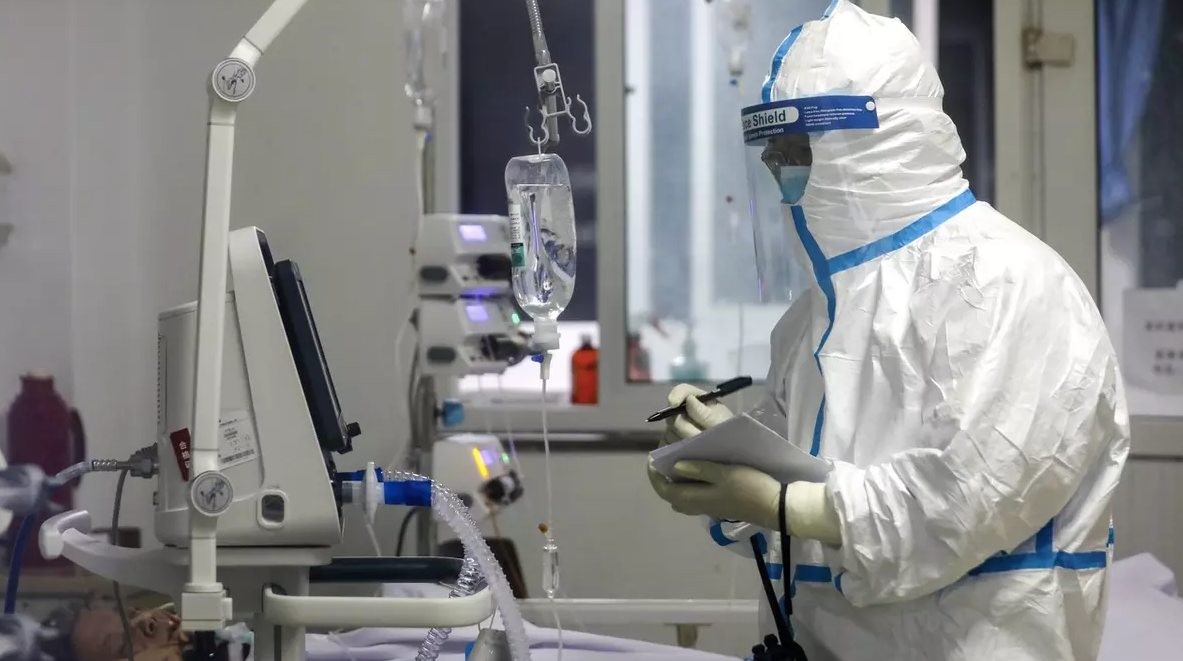
The taxi driver who was in critical condition spoke: “Thanks to you I am alive,” he tells the healthcare workers. The infected taxi driver has improved. The drug was previously given to an infected taxi driver who was in critical condition and connected to extracorporeal circulation. He was hospitalized at the General University Hospital in Prague. After administration of the experimental drug, his condition improved so much that he was disconnected from extracorporeal circulation already at the end of March. He is still in the hospital, but is no longer in life-threatening condition.


