
Article content
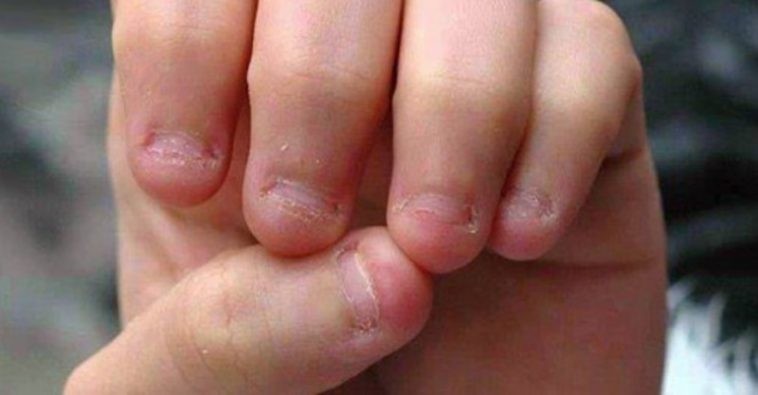
Nail biting is a very widespread bad habit. When we see someone biting their nails, we assume it is due to stress. However, these are only assumptions and they are quite often wrong.
Science has shown that it is more of a personality trait carried by people who bite their nails than a stress reaction.
What kind of trait is it then?
In some cases, nail biting can be dangerous to our health. We can cause small wounds that remain open and untreated. An infection can get into such a wound, which can spread throughout the body and, in very rare cases, even cause death.
More common, however, is social condemnation, since nail biting is considered socially unacceptable behavior. Some people bite their nails even in public, although they may not even be aware of it.
Study
Interesting studies have found that 20 to 30% of the population bite their nails. In most cases these are women! This habit, which appears to be a manifestation of anxiety, can result for women in lowered self-esteem, which ultimately causes even greater anxiety.
A familiar bad habit
This bad habit is, however, difficult to stop. Scientists have found that the act of biting nails itself has a calming effect on the nervous system for people.
Although the reason for nail biting may vary, this behavior has many common features. Sometimes it runs in the family (parents, older siblings), from whom we learned it by watching. Nail biting can also be inherited genetically.
Nail biting reveals the person’s striving to be perfect. This study was published in the journal Journal of Behavior Therapy and Experimenta. Psychiatry and found that nail biting is an indicator of perfectionism. A person begins to bite their nails at times when they feel frustrated by their imperfections.
So when you see someone who bites their nails, they may feel inadequate. For example, because they have problems with their husband or wife, due to failure at work, and so on. When a person fails to meet their goals, it can turn into this ugly bad habit.
Perfectionists therefore start to panic when things do not go the way they would like. They begin to feel frustrated and so this bad habit comes into play to calm them.
Author of the study
The author of the study, Dr. Kieron O’Connor, wrote: “I believe that individuals who suffer from this behavior may be perfectionistic, which means they are unable to relax and complete their tasks at a normal pace. They are therefore more prone to frustration, are impatient and, above all, dissatisfied when they do not achieve their set goals.”


