
Article content
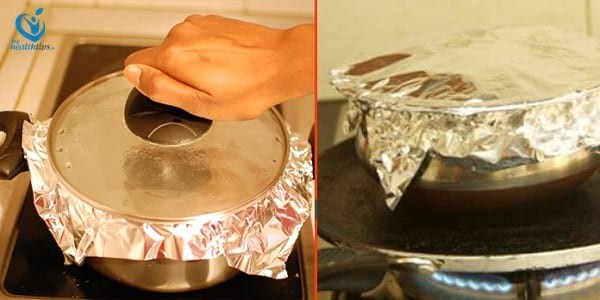
Since the mid-20th century, aluminum foil has been an indispensable part of our lives. We wrap children’s packed lunches for trips in it, no barbecue with friends or picnic can do without it. It is also often used in the household, for example to extend the shelf life of opened foods in the refrigerator.
However, it’s not just an everyday useful helper, as it might seem at first glance. Foil hides certain dangers that are good to know about.
Aluminum foil as a source of potential danger to health
Did you know, for example, that when food comes into direct contact with such foil, particles of metal are transferred from it into the food? And if the food is in foil during thermal preparation, for example while grilling or baking in the oven, the risk of metal transfer into the dish increases even more.
As you may have heard, aluminum accumulates to some extent in the tissues of the human body and also in the brain, and can act as a factor influencing the development of various neurodegenerative diseases, such as the well-known Alzheimer’s disease. As shown by scientific research results, absorbed metal slows the natural growth of brain cells.
As for metal accumulation — in this case specifically aluminum — it is also dangerous for bone health, with patients then suffering not only from lower bone density, but this accumulation subsequently increases, for example, the risk of heart attack.
The lungs are not left untouched when aluminum foil is used either, especially when this packaging material is used for cooking over an open flame, when there is direct inhalation of metal particles.
When aluminum foil is especially harmful
When handling foil, any damage to it, even minor, represents an increased risk of metal transfer into food, especially when you unwrap food from foil or when you expose the foil to higher temperatures that cause it to crack.
A higher risk of metal transfer into food and subsequently into the human body is posed when storing various types of seasonings and also some produce with a higher acid content, e.g., citrus fruits and tomatoes, in aluminum foil.
When such food is also prepared in foil, experts say it can contain up to 400 mg of aluminum, which is not an insignificant amount. Furthermore, there is a direct relationship between the higher temperature at which the food is cooked and the amount of metal absorbed.
Aluminum has also come under scrutiny by the World Health Organization, which has set its safe amount at a maximum of 1 mg per 1 kg of body weight.
How to live healthier and more safely
If you want to actively reduce the intake of metals into your body, we offer you a few tips on how to achieve that:
- filter drinking water (because it also contains metal particles that are removed by filtration)
- do not use aluminum utensils and containers
- when baking, prefer using baking paper, which is safe, and
- store foods in glass containers.


