Article content
It is quite common for people’s hands to get cold and the skin to change color during cold winter months. However, for some individuals this change is not just an ordinary sign of winter but a symptom of a serious condition called Raynaud’s syndrome. This syndrome can have serious consequences, so it is important to know more about it.
What is Raynaud’s syndrome?
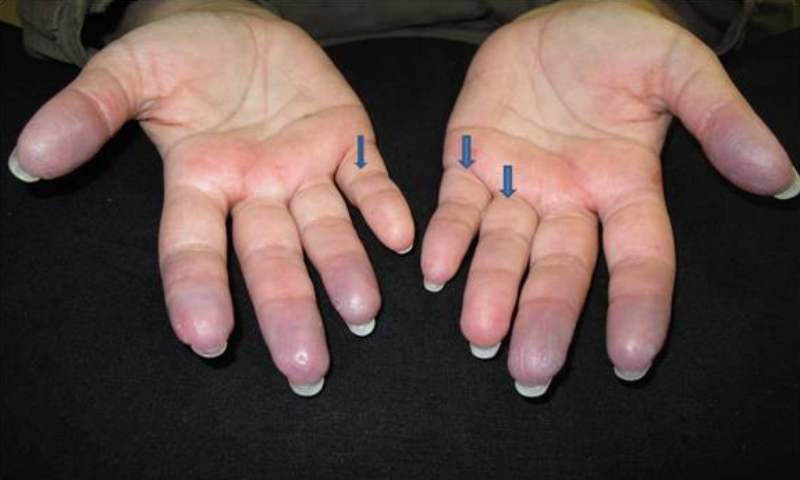
Raynaud’s syndrome is a condition in which blood circulation to the extremities is disturbed, most often affecting the tips of the fingers on the hands or toes. Due to impaired blood flow, the tips of the fingers suddenly turn white, the skin tightens, and patients often feel pain. These symptoms can be triggered by cold or stress, and if left untreated, can lead to serious complications such as the development of gangrene.
Causes of Raynaud’s syndrome
Raynaud’s syndrome can have various causes that include changes in blood circulation or blood disorders:
-
Change in blood viscosity: In some cases the blood becomes thicker due to the presence of blood proteins such as cryoglobulin, which increases blood viscosity in response to cold. This phenomenon can be associated with malignancies, bone marrow disorders, or viral infections such as hepatitis.
-
Narrowing of blood vessels: Blood vessels can constrict excessively, for example due to inflammation of the connective tissue around the vessels. This situation occurs in autoimmune diseases such as scleroderma or systemic sclerosis. Similar problems can also occur after bone marrow transplantation.
-
Disorders of vascular innervation: An increased tendency of vessels to spasm may be the result of a nervous system disorder in which sympathetic tone is increased, leading to heightened sensitivity of the vessels to cold.
Symptoms of Raynaud’s syndrome
One of the most notable symptoms of Raynaud’s syndrome is the whitening of the fingertips on the hands or feet, which appears suddenly and with sharp borders. This phenomenon is accompanied by pain, skin tightness, and sometimes stiffness of the fingers. Patients must protect their hands from the cold, which often means wearing gloves as soon as the first chilly autumn days. In advanced cases, Raynaud’s syndrome can lead to hardening of the fingers and serious circulatory problems, which can result in dry gangrene.
Prevention and treatment
For people with Raynaud’s syndrome it is crucial to protect the hands from the cold and keep them warm. In addition to wearing gloves it may be necessary to use hand warmers or special creams that improve circulation. In some cases a doctor may prescribe medications to dilate the blood vessels or treatments aimed at reducing the activity of the sympathetic nervous system.
When to see a doctor?
If you notice that your hands regularly turn white in the cold, become painful or stiff, it is important to seek medical help. Raynaud’s syndrome may be the first sign of a more serious disease that requires specialist treatment.
Raynaud’s syndrome is not just a cosmetic problem but a serious condition that requires attention. Proper care and timely diagnosis can significantly improve quality of life and prevent serious complications.