Article content
My refrigerator may be old, but because it still works, I would be sorry to throw it away.
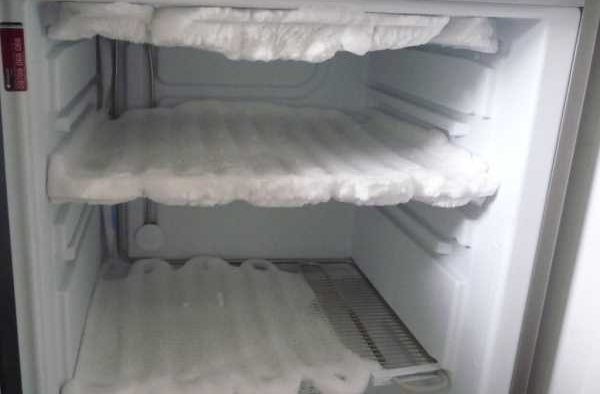
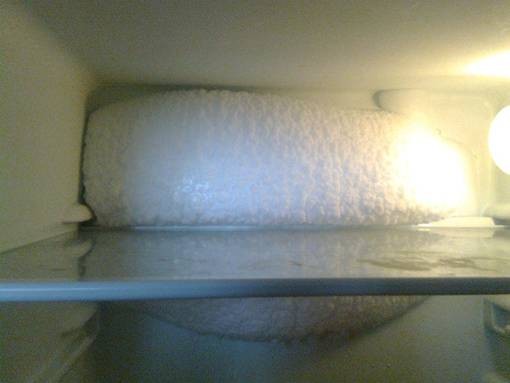
The biggest problem was frost forming on the back wall, which causes the fridge to consume much more electricity.
Problems with frosting
I read that a one-centimeter layer of ice is enough and consumption can increase by up to 75%!!
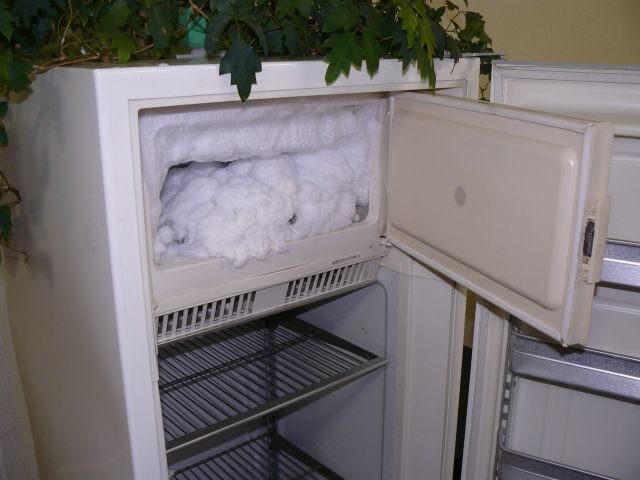
Of course I regularly defrost the fridge, but this had become really unbearable for me; it seemed to me that it was constantly getting worse.
I’ll give you a little trick that I read about in a magazine and that worked for me.
If you don’t have a modern fridge with an anti-frost system, you might appreciate this too.
Proven simple trick
This is how I solved the problem of the fridge frosting“- Now it uses disproportionately less electricity and doesn’t frost up
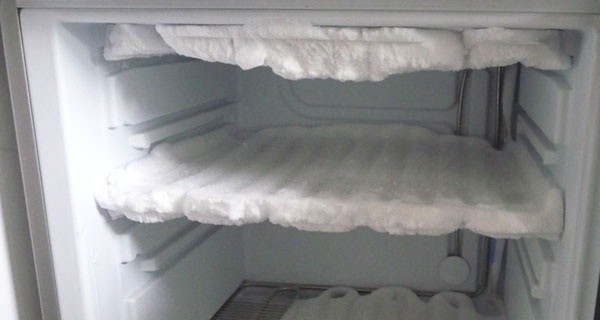
When I last defrosted the fridge walls – even the ones behind the lower drawers – I rubbed them with oil.
A very thin layer is enough, and it works because ice won’t be able to form on the slippery surface, as it won’t adhere to it.
I also oiled the shelves on the back side, where they touch the walls of the fridge (that’s where large pieces of ice used to form).
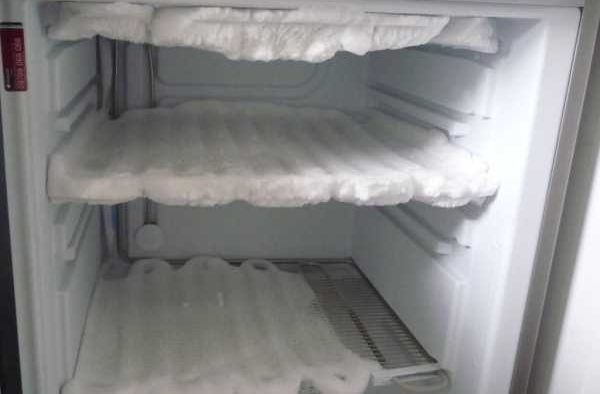
A damaged seal can cause excessive ice build-up and high energy consumption.
To make it last longer
To make it last as long as possible, first wash it well with plain water and dish soap and then coat it with glycerin.
So those are my tips, also don’t forget that food shouldn’t be pressed against the back wall of the fridge and that you need to regularly clean the water drainage channel – I use an ordinary straw.
My fridge is well over 10 years old and it’s still holding up!