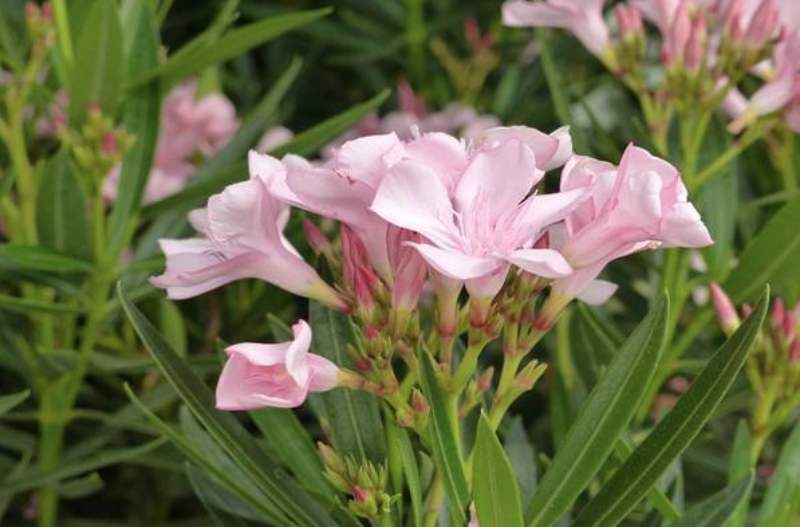
Article content
Flowers are a beautiful ornament in our gardens, but some of them can hide dangers we often don’t recognize. Many common garden plants can be poisonous to children and pets. So think carefully about what you grow in your garden to prevent unwanted tragedies.
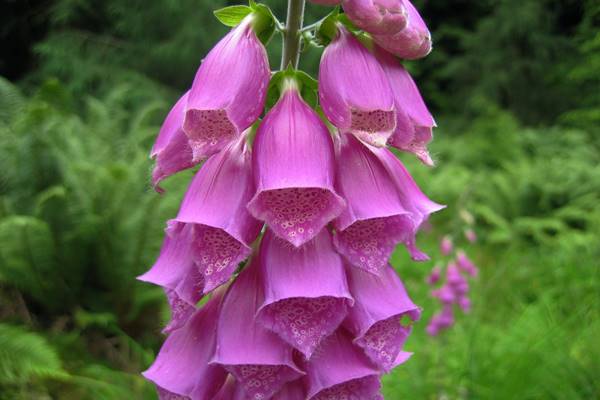
Red foxglove
The red foxglove (Digitalis purpurea) and the woolly foxglove (Digitalis lanata) are popular ornamental plants that grow to a height of 80–100 cm and are known for their beautiful bell-shaped flowers. Although they are magnificent to look at, they hide great danger. All parts of this plant contain a potent poison, digitoxin, which is used in medicine to treat heart diseases. However, if any part of the plant enters the digestive tract, it can cause poisoning manifested by vomiting, diarrhea and disturbances of heart rhythm. In severe cases it can lead to heart failure and death.
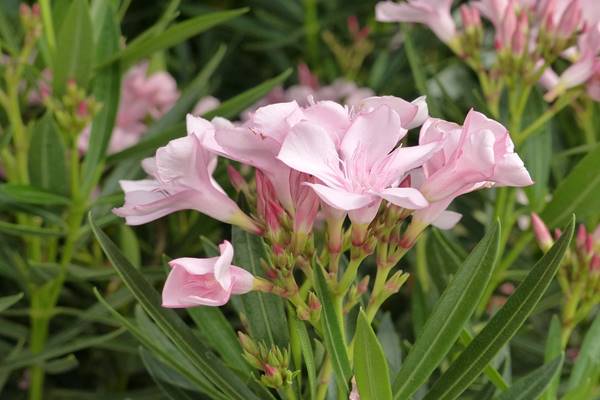
Oleander
Oleander is a very popular but also very poisonous plant. Even small amounts can be lethal, especially for children. Touching the leaves or ingesting them can cause a slow heart rate, drowsiness and tremors. The active substances contained in oleander are indeed used in the pharmaceutical industry, but in home settings this plant poses a serious danger.
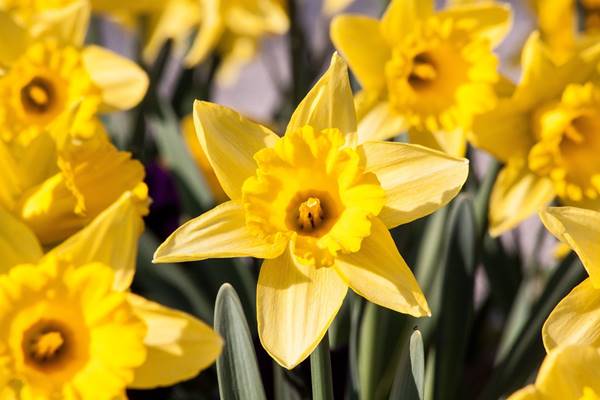
Daffodil
The daffodil is a popular spring flower, but its bulbs are highly poisonous. When ingested they can cause vomiting, diarrhea, excessive sweating, nausea and fainting. In dogs there may be diarrhea, vomiting, convulsions and disturbances of heart rhythm. If you have pets in the garden, it is important to carefully consider where you plant daffodils.
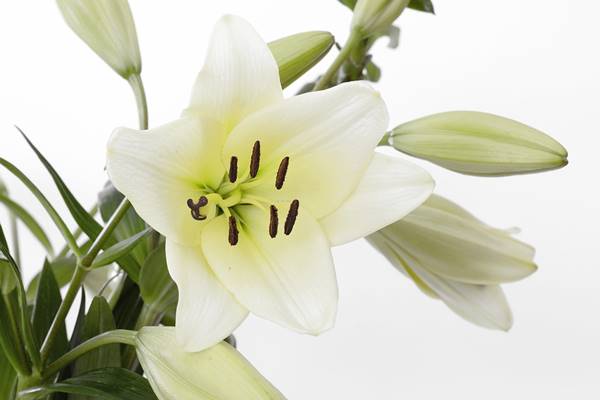
Lilies
Lilies are beautiful flowers, but they are poisonous, especially to children and cats. If someone accidentally eats part of a lily, symptoms such as abdominal pain, vomiting and diarrhea may appear, and in extreme cases death can occur. Therefore it is important to be cautious and prevent children and pets from coming into contact with these flowers.
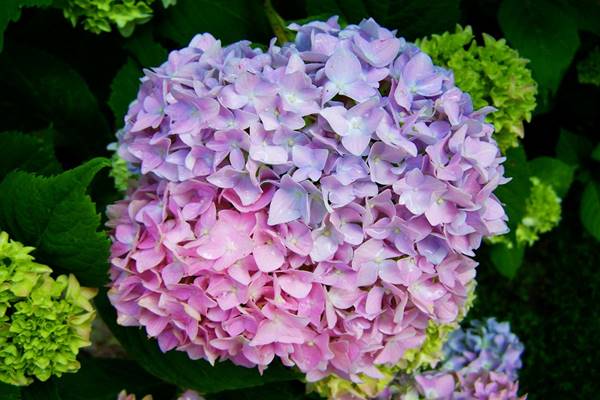
Hydrangea
Hydrangeas contain a small amount of cyanide, which can be fatal to pets. If cats or dogs chew hydrangea leaves or flowers, it can cause vomiting, diarrhea and depression. Although they do not pose such a danger to humans, it is wise to be cautious if you have animals in the garden.
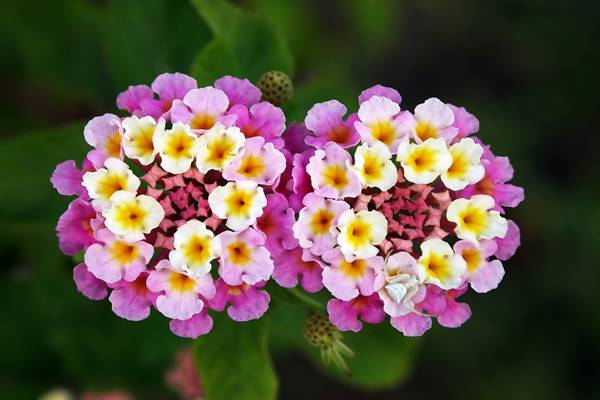
Lantana (Lantana camara)
Lantana, also known as the color-changing flower, is common in the tropics and is considered an invasive weed. Its flowers can change color, but every part of the plant is poisonous and can damage the liver. Ingesting the plant can cause lethargy, vomiting and liver failure.
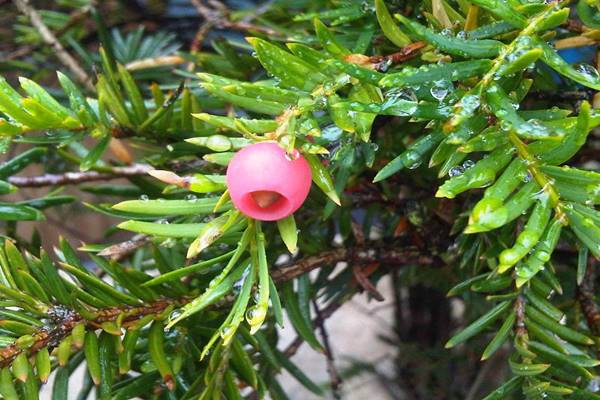
Common yew
The common yew is a tree whose all parts except the seed covering are poisonous. It contains taxine, a potent poison that can cause convulsions, paralysis and in extreme cases even heart failure. This tree poses a serious danger to children and animals.
Be careful when choosing plants for your garden
When establishing a garden, think not only about aesthetics but also about safety. Many beautiful flowers and plants can be potentially dangerous to children and pets. If you have small children or animals in the garden, consider whether growing these poisonous plants is necessary. Prevention is key to protecting your loved ones from the dangerous effects of poisonous flowers.