Article content
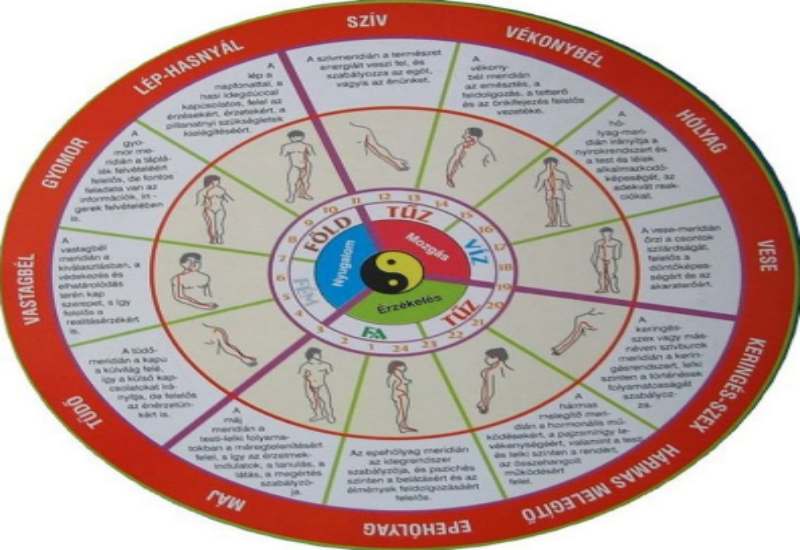
According to traditional Chinese medicine, each of our main organs has its time during the day when it is most active. This system, known as “servo,” can help us better understand how to adjust our daily routine, diet and health to match the natural rhythm of our body. In this way you can support your health and avoid problems. Let’s look at how time affects the functioning of your organs and what you can do to optimize your health.
1. Liver detoxification (01:00 – 03:00)
At this time intense liver detoxification occurs. It is important to avoid heavy foods, alcohol, smoking and coffee, which can burden the liver. Oxygen supply to the brain is weakest at this time, so it is good to focus on rest. People suffering from gallbladder problems may wake up more often at this time.
2. Activation of the lungs (03:00 – 05:00)
This period is devoted to the lungs. It is the time when the lungs prepare for daily activity. If you suffer from asthma, bronchitis or smoke, you may experience greater difficulties at this time. This time is also associated with feelings of fear and anxiety, so it is recommended to try to calm down and focus on breathing exercises.
3. Activation of the large intestine (05:00 – 07:00)
The large intestine is most active during this period. It is the best time for morning toileting and getting rid of toxins so they do not return to the body. Try to avoid stress and rushing and don’t forget to drink enough fluids.
4. Activation of the stomach (07:00 – 09:00)
At this time the stomach is most strained. It is an ideal time for a breakfast rich in vitamins and minerals to support digestion. Pay attention to a balanced diet and avoid heavy foods.
5. Activation of the spleen and pancreas (09:00 – 11:00)
This time is characterized by a calmer nervous system and the highest mental capacity. The spleen and pancreas are active, so it’s good to have sweets, fruit and honey. Avoid alcohol and intense physical exertion.
6. Heart cycle (11:00 – 13:00)
It is the best time for sports activities and physical exercise. At the same time stomach acid and bile production increase, so a light lunch is appropriate. At this time oxygen intake to the brain may be lower, so it is important to find time for a short walk or rest.
7. Activation of the small intestine (13:00 – 15:00)
Blood circulation slows down, the small intestine is active and the sensation of pain decreases. This period is ideal for increased physical activity.
8. Activation of the bladder (15:00 – 17:00)
The bladder is most intense at this time. It is important to drink plenty of fluids without sugar to support the excretory process and detoxification. It is also a peak activity time, ideal for sports, study and work.
9. Kidney cleansing (17:00 – 19:00)
The kidneys are active at this time, so try to limit the intake of fats, sugars, salt and other toxic substances. Blood pressure drops and the pulse slows down, so allow yourself to rest.
10. Activation of the pericardium and blood (19:00 – 21:00)
This is a time when it is good to avoid heavy meals because the body already begins to store nutrients instead of processing them. Engage in calmer activities such as reading or listening to music, and prepare for nighttime rest.
11. Triple Burner activity (21:00 – 23:00)
The body prepares for nighttime rest. Performance decreases and it is very important to avoid eating and smoking. The body and mind crave calm and relaxation.
12. Activation of the gallbladder (23:00 – 01:00)
The gallbladder is active at this time, which can affect digestion and cause pain if disturbed. It is important to avoid heavy foods and alcohol at this time.
Conclusion
According to traditional Chinese medicine, our body functions like a clock where each organ has its active time. Watch this rhythm and adjust your daily routine to match the natural biological clock of your body. This approach can help improve your health, support optimal organ function and prevent potential health problems. Respecting biological clocks means honoring your body’s natural rhythm and maintaining its harmony.