
Article content
Millet, also known as proso, is a cereal that is often overlooked, yet it has enormous benefits for our health. Cardiologists recommend it as a food that helps protect the heart, kidneys and is also suitable for diabetics. This small yet nutritious miracle of nature contains many vitamins and minerals that are essential for our bodies.
Health benefits
Millet is rich in important nutrients such as calcium, potassium, iodine, magnesium, vitamins A, E and B, iron and fiber. It is also one of the few cereals that does not contain gluten, which is great for people who suffer from allergies or sensitivity to this substance. Gluten can contribute to weight gain and the development of obesity.
This cereal is extremely alkaline, which means it creates an alkaline environment in the body. This is important because viruses, bacteria and other pathogens reproduce much less easily in an alkaline environment.
Millet also contains key amino acids that are necessary for the regeneration of muscles and skin cells. Thanks to its high fiber content and slowly digestible carbohydrates, millet provides us with a long-lasting feeling of satiety, which is ideal for those who want to lose weight.
This cereal also has natural fats that are necessary for the proper absorption of vitamins, including carotene and vitamin D. For diabetics, millet is an excellent choice because it contains carbohydrates that are released slowly and do not lead to a rapid increase in blood sugar levels.
Millet and cardiovascular health
Cardiologists recommend millet as a food for heart and vascular health because it contains potassium, which helps maintain healthy blood pressure and strengthens blood vessel walls. Potassium is essential for the proper functioning of the heart and blood vessels, which makes millet an ideal food for the prevention of cardiovascular diseases.
Millet for kidney health
Millet is also known for its ability to help cleanse the kidneys and prevent the formation of kidney stones or sand. This cereal also supports urine excretion, which is useful in urinary tract infections.
Millet as an aid for asthma
Thanks to its anti-inflammatory properties, millet is also recommended for people suffering from asthma. Research shows that people who regularly consume millet have a lower chance of developing asthmatic symptoms.
How to prepare millet
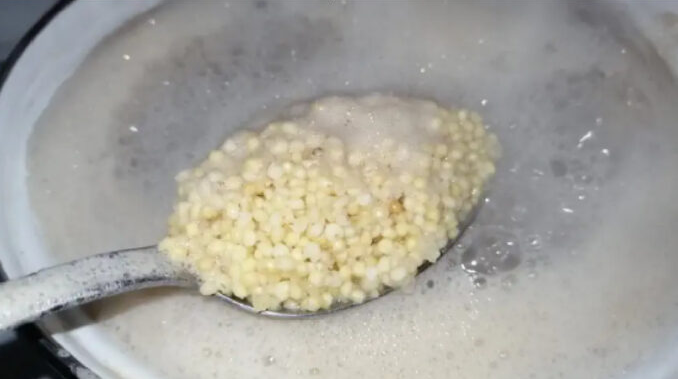
Before cooking, it is important to rinse millet thoroughly to remove bitterness. Rinse it 2-3 times with hot water and then once more with cold. After rinsing, let the millet drain in a sieve. Use 1.5 cups of water or milk for 1 cup of millet. Cook the millet in a covered pot for approximately 15-20 minutes. After cooking, let it stand in the covered pot for another 10 minutes.
If you want millet to have a more pronounced flavor and not become mushy, you can briefly roast it in a pan before cooking.
Millet sweet or savory
Millet is very versatile. You can prepare it as a sweet porridge with honey, nuts or fruit, or serve it as a side dish with vegetables and meat. Thanks to its mild flavor, it is ideal for combining with various ingredients and offers a wide range of ways to include it in your diet.
Conclusion
Millet is a cereal that should not be missing from our diet. It is rich in nutrients that are essential for our body and brings many health benefits. Moreover, millet is easily digestible, does not contain gluten and is ideal for cardiovascular health, kidney health and for diabetics. Try it in various recipes and discover how it can improve your health.


