
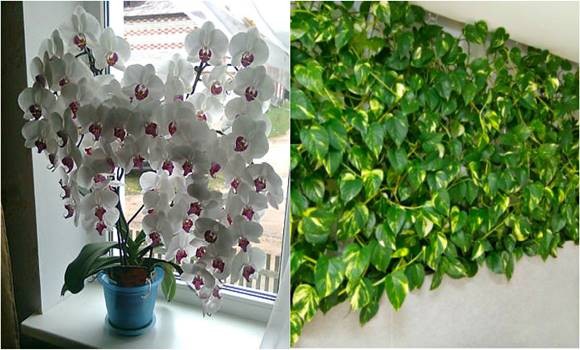
Article content
Houseplants need to be properly cared for. They require regular watering, fertilizing and plenty of light. In an environment that is poor in nutrients and light, they tend to quickly dry out and die. Especially in the flowering period it is advisable to fertilize the plants so they do not unnecessarily exhaust themselves by blooming and so the flowers last as long as possible. But you do not have to immediately spend thousands on special and expensive fertilizers. Ordinary yeast will help you too. For the fertilizer you will need:
- 10 grams of yeast
- 1 tablespoon of sugar
- 1 liter of lukewarm water
Just stir in water
Mix the yeast in a little cold water. Then add the sugar and stir until it dissolves. Let the mixture stand for about an hour and add it to one liter of lukewarm water. This simple method will prepare a cheap and very effective fertilizer. In addition, a cube of yeast can be bought for a few crowns almost on every corner.
In winter and autumn it is sufficient to fertilize plants with this mixture once a month, in summer somewhat more often – depending on the plant’s needs once a week to once a day. The result will be visible almost immediately. Plants will grow better, retain their inflorescences longer and generally thrive better. Pour the solution onto the plants together with the watering so they can absorb the necessary nutrients themselves.
Why is yeast so effective?
Yeasts contain many B vitamins and phytohormones that are essential for our plants. They stimulate their growth and increase resistance to various diseases. Professional gardeners also use this method of fertilizing with yeast; it is time-tested and very effective.
Thanks to the nutrient solution of the yeasts, the activity of microorganisms in the soil increases greatly, as does the amount of carbon dioxide and micro- and macroelements, which has an especially favorable effect on the root system and the overall appearance of the plant. If you add this fertilizer to fruiting plants, you can look forward to a significantly richer harvest. You can also safely use yeast past its minimum shelf life.


