
Article content
For many years cow’s milk has been claimed to be an almost ideal food for health and also an excellent source of calcium for bones.
However, as it turns out, modern pasteurized milk from cows raised in industrial agriculture is more harmful to you than beneficial.
For example, calcium from milk is absorbed much less easily than calcium from plant sources.
At the same time, consumption of milk triggers a whole range of health problems, which we will discuss further in this article.
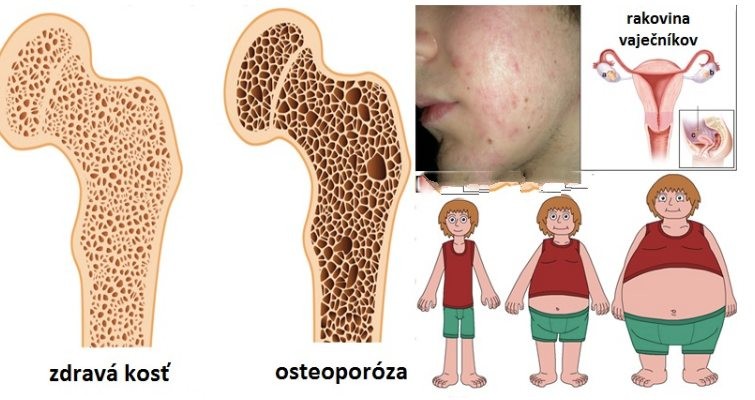
1. Bone fragility
In one Swedish study researchers found that people who consume a lot of milk daily have a much higher risk of fractures than those who drink little or no milk.
2. Prostate cancer
A body of evidence suggests that consumption of milk and other dairy products leads to an increased risk of prostate cancer.
In contrast, a milk-free diet has been shown to slow the progression of this disease.
3. Lactose intolerance
Cow’s milk contains a type of sugar called lactose, which many people have trouble digesting.
This then leads to symptoms such as nausea, cramps, bloating or diarrhea.
Lactose intolerance can also develop later in life, usually manifesting as months of worsening symptoms.
4. Acne
Several studies have shown that consumption of all types of cow’s milk (low-fat, semi-skimmed and whole) is associated with a higher incidence and severity of acne.
This applies equally to boys and girls.
5. Cholesterol
A single glass of milk can contain up to 24 mg of cholesterol. In contrast, a vegan diet contains no cholesterol.
6. Ovarian cancer
Another Swedish study showed that women who ate 4 or more servings of dairy products daily had twice the chance of developing serious ovarian cancer than those who consumed only 2 or fewer servings.
7. Milk allergy
Unlike gluten allergy, milk allergy as such occurs mainly in small children.
It is usually strong and potentially dangerous reactions such as vomiting or anaphylactic shock.
8. Antibiotics
Many cows are literally pumped with antibiotics so that, because of poor rearing conditions, they do not get frequent infections.
However, these practices can lead to the development of antibiotic-resistant bacteria and antibiotics also get into the milk that people then drink.
9. Saturated fat
A single cup of whole milk contains more than 20% of the recommended daily allowance of saturated fats. Even 1% milk has up to 8% of the daily allowance of these fats.
If you drink 3 glasses of milk, you already have 60% of your total daily allowance, and that’s before you’ve eaten anything.
10. Weight gain
Despite claims of the dairy industry, studies on more than 12,000 children showed that the more milk children drank, the more weight they gained.
In fact, despite the proclaimed benefits of low-fat milk, 1% milk led to greater weight gain than 2% milk.
The study also found that replacing sugary soft drinks with milk did not lead to weight loss.
11. Loss of bone mass
Instead of a beneficial effect on bones, milk proteins lead to decalcification of the bones.
This refutes the most commonly emphasized benefit of milk for the prevention and avoidance of osteoporosis.
Conclusion
All the factors mentioned, together with the adverse impact of industrial dairy farming on the environment, clearly show that milk is harmful to us.
If that still hasn’t convinced you, try 30 days without milk. Afterwards you will appreciate the change in how much healthier and more vital you feel.


