
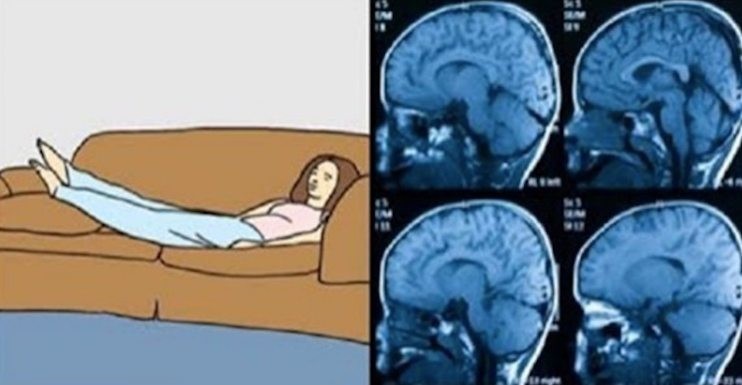
Article content
Nowadays we often hear that physical inactivity and not using every available minute to the fullest are the worst things we can do in life. And thus that laziness is one of the greatest sins we commit.
However, it seems that this may not be entirely true. Of course, being active and moving is a good thing. But a slow life is not necessarily harmful either.
The role of laziness and relaxation in our lives
Although adults are not generally advised to take afternoon naps, in reality this is extremely beneficial for our health. The same goes for the so-called “slowness” or “lazy way of functioning.”
Studies have shown that it is an excellent way to stimulate creativity, inventiveness and motivation.
To clarify one thing — we are not encouraging you to sit on the couch all day watching TV or snacking.
We only want you to consider reserving a few minutes during the day to relax. It will help you restore energy and stay fresh for the rest of the day.
In fact, humans evolved so that laziness is even deeply embedded in our bodies. It manifests as forms of energy conservation whenever the body gives us the opportunity.
During winter our body produces more of the sleep hormone melatonin, which is why we are sleepier then. In summer the heat prevents us from exerting excessive activity.
Let’s now take a closer look at the mental and physical benefits laziness has for us.
1. Improves performance during exercise

Although it may seem counterproductive at first glance, laziness ensures that we do not exercise for long hours during the day.
Instead we focus on shorter but more intense workouts. This way we’ll have more time for activities you enjoy.
Moreover, studies have shown that short, intense exercise followed by rest has more positive effects on the body than endurance sports. They support weight loss and improve health in the long term.
In addition, they do not cause joint wear and tear.
2. Lowers blood pressure
Stress and the rush negatively affect the whole body, influencing heart rhythm and blood pressure. Often they lead to the development of anxiety disorders.
Rest (lazing) and deep breathing, on the other hand, bring relaxation to body and mind, lower blood pressure and induce feelings of peace and calm.
3. Stimulates creativity
Many significant thinkers came up with revolutionary ideas precisely during moments of rest, when they did nothing but think.
When you allow your brain to go through a cycle of free thought, you will arrive at various new and interesting ideas.
But you must let it happen naturally. If you try too hard to come up with something, you will usually only reach a mental block.
4. Strengthens problem-solving ability
If you give your brain enough time and space to find a solution to even a serious problem, sooner or later it will manage to do so.
That, of course, does not mean you should wait for it to happen by itself.
However, it is necessary to find the right time that is most suitable for relaxation. Then the brain will work at its optimal performance.
5. Improves efficiency
The world-famous writer Agatha Christie once said:
“In my opinion, invention springs from laziness. To save oneself effort, one invents a way to provide for it.”
Many inventions were created to save people time and effort.
Laziness also forces people to increase their performance so they finish work sooner and then have more time to rest. Generally speaking, lazy people often finish tasks more quickly.
6. Ensures you appreciate the present moment more
Laziness is reminiscent of meditation, which also values and focuses on the present moment.
Focusing on moments such as savoring your morning cup of coffee, inhaling the scent of the garden, or admiring the greenery in nature relaxes us and helps recharge the body with energy.
7. Encourages self-reflection
Besides activating innovative thinking, laziness also generates philosophical thought.
While a person is immersed in their mind, they can begin to evaluate complex problems or come up with more effective methods. This then leads to better understanding of things and people.
Conclusion
So, what kind of person are you? Are you a workaholic or rather among those who like to stay in bed all day?
Are you able to balance your daily tasks with time for relaxation so that you have as much creative energy as possible during the day?


