Article content
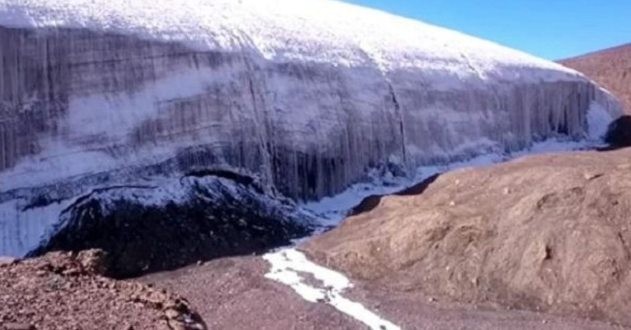
The oldest glacier in the world. That is Guliya lying on the Tibetan Plateau. Due to global warming this ancient colossus is beginning to melt, which brings unexpected danger. Scientists, while examining ice core samples from the glacier, discovered more than thirty frozen, previously unknown viruses that are waiting for warm weather to free them and for them to spread in all directions. Will people die?
Unknown viruses from prehistory
The coronavirus epidemic has really troubled the whole world and triggered a wave of panic. But what will happen when as many as thirty yet-unseen ancient types of viruses are released into the air, viruses that have been waiting for their chance for thousands of years frozen in ice?
An international American-Chinese scientific team, while examining ice core samples from the Guliya glacier, used a new method that helps prevent contamination of the samples by microbes from the air. And they were amazed. In the samples studied they found 33 stored frozen microorganisms, of which 28 they had never seen before.
The viral archive of Earth
Scientists in laboratories are studying glacier samples taken between 1992 and 2015, however no measures had been taken since then to prevent microbial contamination during their handling. But they wouldn’t be proper scientists if they didn’t find a way. They devised a method to access clean glacier samples by simply removing the contaminated surface of the glacier cores and then wiping the remainder with ethanol.
They then discovered a small prehistoric viral museum. The Tibetan cores contained two layers from probably completely different climatic conditions in Earth’s history. In these two layers they discovered three dozen viruses that differed markedly from each other depending on which layer they were deposited in. They are actually like viral archives of our planet.
Thanks to scientists, we have a head start
The melting of glaciers could mean a double danger. One for scientists and one for humanity. During the change of the water’s state this microbial archive could be disrupted, ancient viruses could disappear forever and scientists would no longer be able to learn anything about them. But the second risk is more ominous. Microbial life often survives at extremely low temperatures and is reactivated when warmed.
This could happen with these unknown living fossils as well, which could be released into the air and uncontrollably scatter in all directions across the globe.
Given that the glacier lies on the most populous continent of the world, it wouldn’t take long before further waves of pandemics broke out, against which the current one is just a drop in the ocean.
However, we have a small spark of hope. Because scientists discovered these microbes early while they are still in a frozen phase, they can study them under laboratory conditions and develop antibodies before they spread in the population