Article content
Rhubarb is among the effective herbs and natural remedies. It can help you with cholesterol levels, in cases of constipation or diarrhea or other digestive problems. Rhubarb can also help other parts of the body. Find out what beneficial effects it has.
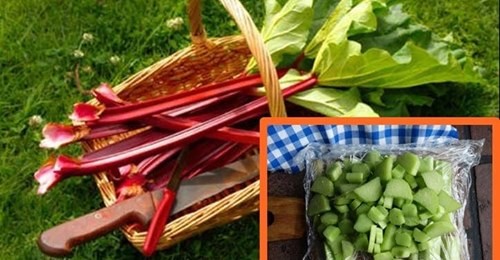
At first glance rhubarb is a very inconspicuous plant that certainly won’t arouse much interest. The opposite is true, however. Its beet-like roots have great medicinal properties. You can grow rhubarb in your kitchen garden alongside other vegetables; it does not require special care or too much space around it.
How to store rhubarb?
Plants three years old are dug up at the end of summer, and for medicinal purposes the rhizomes together with the roots are mainly used. Before storage it is necessary to wash the plants under running cold water and then dry them in the fresh air. After drying and the disappearance of moisture, tie the rhizomes together about ten centimeters long and dry them in a dryer at a temperature up to 50 °C. Dried rhubarb is stored in glass containers with a tight seal in a dark room. Properly stored, it will keep for up to five years.
The leaves and stalks of rhubarb have a high content of vitamins C, B1, B2, B3, B6, carotene and organic acids. These include, for example, malic acid, oxalic acid or succinic acid. Rhubarb also contains flavonoid compounds, mineral salts of potassium, calcium as well as magnesium and phosphorus.
Positive effects of rhubarb
Natural preparations from rhubarb help with diarrhea or constipation and also act as anti-inflammatory agents. This plant has antimicrobial effects and can lower cholesterol levels in the blood. It helps with loss of appetite and with regulating overall metabolism. You can also prepare a tincture from rhubarb, which is based on a decoction of water together with alcohol. A few drops a day help as a natural laxative.
A decoction of rhubarb roots and rhizomes can help with chronic constipation, excessive flatulence or hepatitis. It increases appetite and improves overall digestion and intestinal function. For proper intestinal function it works particularly well thanks to interaction with proteins, which act well on the inner surface of the intestines, creating a sediment that protects the mucosa of the large intestine and helps expel stool more quickly.
If you suffer from digestion problems or constipation
If you have problems with digestion or gastritis, you can help yourself with a diet that includes rhubarb. You can use rhubarb in the form of infusions, syrups or extracts; dietary supplements in the form of powders and tablets also help well. Prepare a great recipe to support proper digestive function. You will need:
- dried rhubarb roots
- water
- a jar with a tight-fitting lid
Pour a glass of water over one tablespoon of dried rhubarb roots. Let the mixture steep for eight hours and the next day boil for about three minutes. Strain the mixture into a well-sealed jar and thoroughly squeeze the remaining dried roots into the jar. Always serve one third of a cup at least half an hour before meals.
Preparation for anemia and tuberculosis
Rhubarb also has medicinal effects in cases of anemia and tuberculosis. It will help you in the form of an infusion. Prepare one tablespoon of rhubarb rhizomes and pour a glass of hot water over them. Let the mixture sit for about half an hour in a warm place. Store this infusion in closed jars and consume it in three divided doses, always before meals.
If you want to prepare a decoction from rhubarb stalks and leaves, proceed in a similar way. Pour boiling water over about two tablespoons of stalks and leaves and let steep for approximately twenty minutes. Then strain the mixture and drink a cup of such tea three times a day in small sips. This tea also helps women in cases of painful menstruation.
Prepare rhubarb powder
You can also prepare a root powder. It is well soluble and you can add it to any dish. Prepare the powder by crushing well-dried rhubarb root. This preparation is recommended for elevated cholesterol levels in the blood, but the recommended dose should not be exceeded. It is set at 0.3 grams three times a day at least half an hour before meals. The powder should be dissolved in about 50 milliliters of boiled water.