Article content
Anyone who lives in an apartment knows this problem well. You wash large items and the moment of drying arrives. Jackets, long trousers and other winter gear take up a lot of space. The balcony is out of the question — laundry dries there slowly or not at all. That leaves radiators and heaters. After this article you’ll think twice about quick drying.
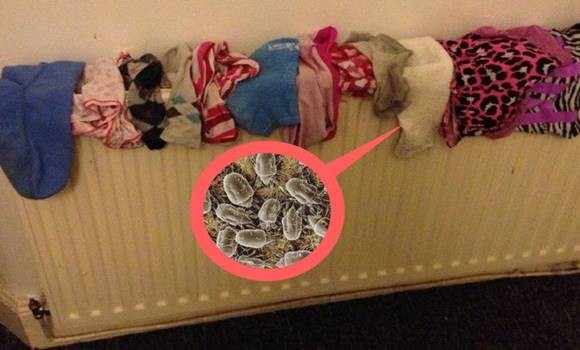
The harmful effects of drying laundry on exposed radiators lie in the dust trapped in their fins. This dust is lifted into the air and drifts through the room due to air circulation. While with uncovered radiators the amount in the air is negligible, with covered heating all the dust is caught by your clothing.
Good fabric softener won’t save you
Experts warn about this phenomenon because of the risk of allergies and asthma symptoms. This is particularly dangerous for children’s clothing. Drying laundry on heaters also exposes you to other symptoms:
- Skin and eye irritation
- Scratchy throat and coughing
- Headaches and nausea
The whole problem lies in tiny particles of dust trapped in the fibers of clothing. You can avoid this mainly by drying laundry in open spaces or ideally on the balcony in fresh air. However, this again brings the problem of space and long drying times. Apartment buildings often offer communal drying rooms for these purposes.
Not only heat is important, but air quality as well
At home, a well-ventilated room with thermal circulation will help. For laundry to dry quickly, not only heat but also airflow is important. Hang pieces you don’t urgently need on the balcony. They will dry there even in freezing temperatures — so-called freeze-drying — and you’ll quickly appreciate the quality and scent of clothing dried this way.
Quality drying also benefits your clothing. Deposited dust particles reduce the durability of the fibers and thus the quality of your garments. Your laundry will also be fragrant and pleasant to the touch.