Article content
Apricot jam is one of the most popular summer treats, but its preparation can sometimes be more complicated than it appears at first glance. Even if you follow all the steps of a recipe, the result may not always meet expectations. So what are the key points to watch so that your apricot jam turns out well every time?
1. Peel or not to peel? The key is flavor
One of the most common questions when making jam is whether to peel the fruit. Many people peel apricots, which is a time-consuming and tedious task. However, you should consider whether it is really necessary. The skin contains a lot of flavor that you would unnecessarily lose by peeling. The sweet-tart flavor of the apricot is best expressed with the skin, so if it doesn’t bother you, feel free to leave it on.
2. Ripeness is the key to success
The quality of the fruit is absolutely crucial when making jam. Never start preparation if the fruit is not fully ripe, because the jam will not be sweet enough and you’ll be forced to add more sugar, which is not ideal for your health or the jam’s flavor. On the other hand, overripe or even rotten fruit can bring an unwanted sour taste to the jam. You’ll get the best results with nicely ripe, healthy fruit.
3. Amount of sugar: How much is just right?
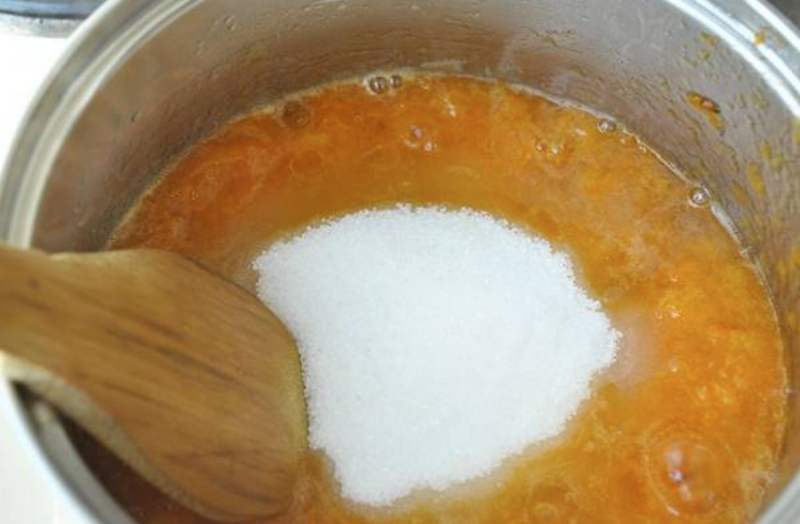
The question of sugar is much discussed when making jams. Traditional recipes often recommend a ratio of two parts fruit to one part sugar, which is too much for modern tastes and health considerations. Apricots are naturally sweet, so you don’t need to add much sugar. Sugar should only support the fruit’s natural flavor, not overpower it. Ideally, add just enough to enhance the apricots’ sweetness and give the jam the right consistency.
4. Using a gelling agent
There are many different thickeners on the market today, but the most natural choice is pectin, which is found in the fruit itself. If you use gelling agents, follow the instructions on the packaging carefully, because the jam will thicken further after cooling. Too much agent can make the jam too thick and cause it to lose its delicacy.
5. Sterilizing jars
Sterilizing jars is key for long shelf life of the jam. Jars of 2-3 deciliters work best because they are easy to store, give as gifts, and minimize the risk of spoilage after opening. If you have a dishwasher, set it to a high-heat program that sterilizes the jars. If not, you can use a microwave or a conventional oven. After filling jars with hot jam, some home cooks turn them upside down, which helps seal them better and prevents air bubbles from forming.
6. Cool slowly
After filling and sealing the jars, wrap them in newspaper and cover with a warm blanket. This procedure helps the jam cool slowly, which is very important for preserving its flavor and consistency.
7. Don’t be afraid to spice
The modern approach to making jams also includes spices and combinations with other types of fruit. For example, you can add brandy, vanilla, cinnamon, or even lavender to apricot jam. Or try combining apricots with berries such as currants, raspberries, or blueberries. These additions will give the jam a unique taste and aroma.
Conclusion
Making apricot jam can be simple and fun if you stick to a few basic rules. The key to success is choosing the right fruit, using a reasonable amount of sugar, and carefully sterilizing the jars. With a bit of patience and creativity, you can make jam at home that is not only tasty but also healthy. If you liked the article, share it with your friends and spread the joy of homemade jam!