Article content
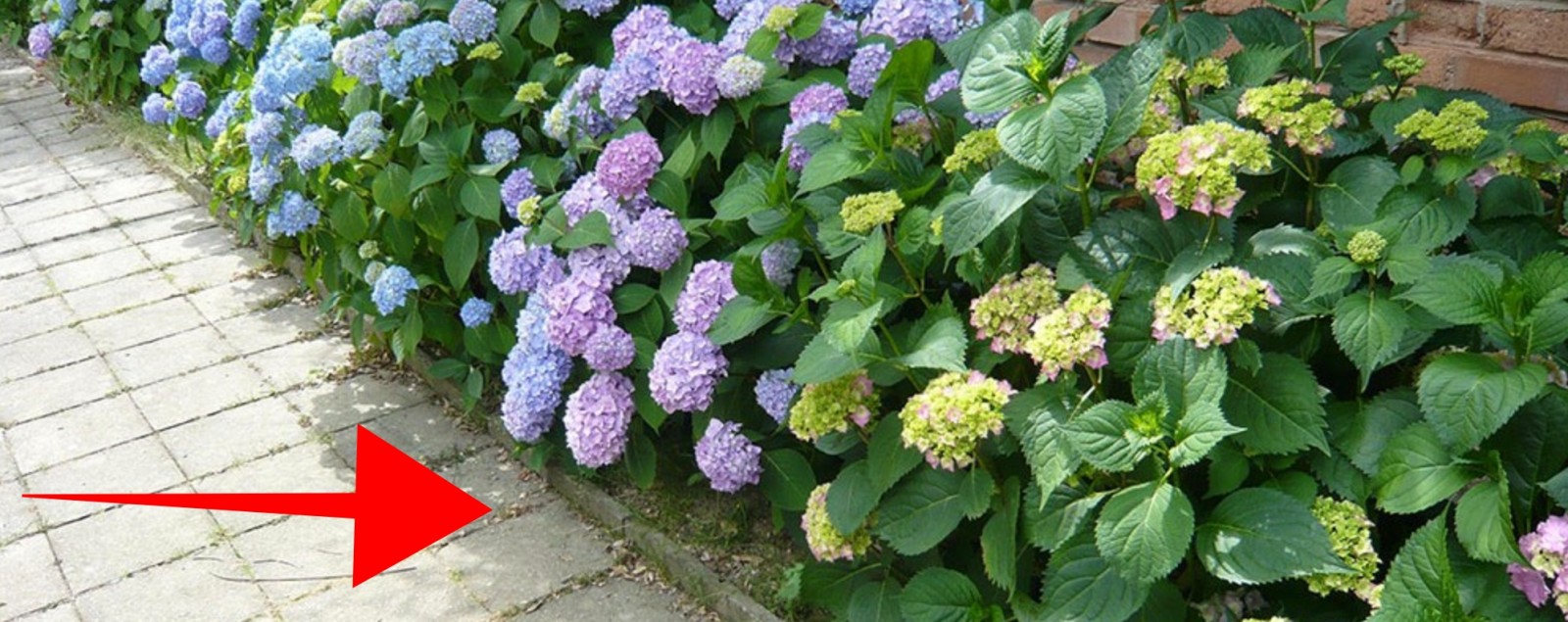
One of the main heroines of romantic gardens is undoubtedly the hydrangea. It blooms from mid-June to the end of September and, thanks to its rich colors and large flowers, is unmissable. Hydrangea flowers can be pink, blue, white, or red. The color of the flowers can even change depending on the acidity of the soil. That means that even a blue hydrangea may bloom pink for you the following year if the soil is more neutral than acidic. Experienced hydrangea growers have shared their tips and experiences.
Growers’ tips
Hydrangeas love acidic soil and that’s exactly what pine needles provide. From spring to late autumn fertilize it regularly at least once a week with alum and ground coffee. It is now about 1.8 m tall and 2 – 2.5 m in diameter.
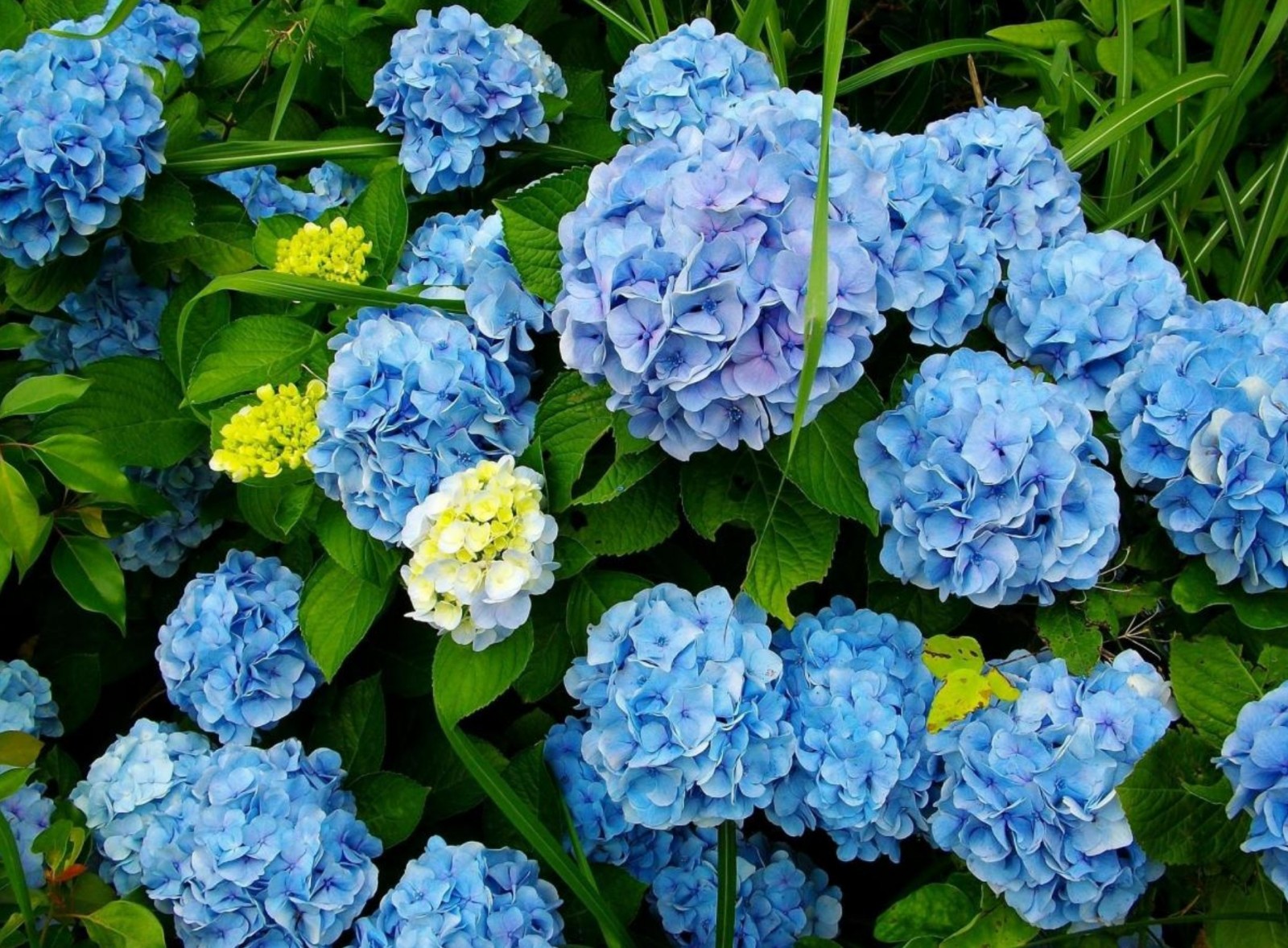
I propagated hydrangeas from cuttings by selecting healthy shoots without damage and cutting them to a length of about 10 – 15 cm just below a pair of leaves. I remove the lower leaves, dip the base into a rooting stimulant and insert it into a suitable substrate. Water thoroughly and I keep the substrate constantly moist. They root fairly quickly.
Alum and ground coffee are a perfect additive for acidifying the soil.
If you don’t have natural means to acidify the soil, you can find suitable liquid or granular substitutes at garden supply stores. When propagating hydrangeas I mix a little sand into the acidic soil and only then insert the cutting. Water it and let the excess water drain away. I place them in a cool spot and for the first year I grow them only indoors.
If you have absolutely unsuitable soil because it is too sandy, plant them in acidic soil in pots. This so far seems to be the best solution and the hydrangea is finally in bloom.
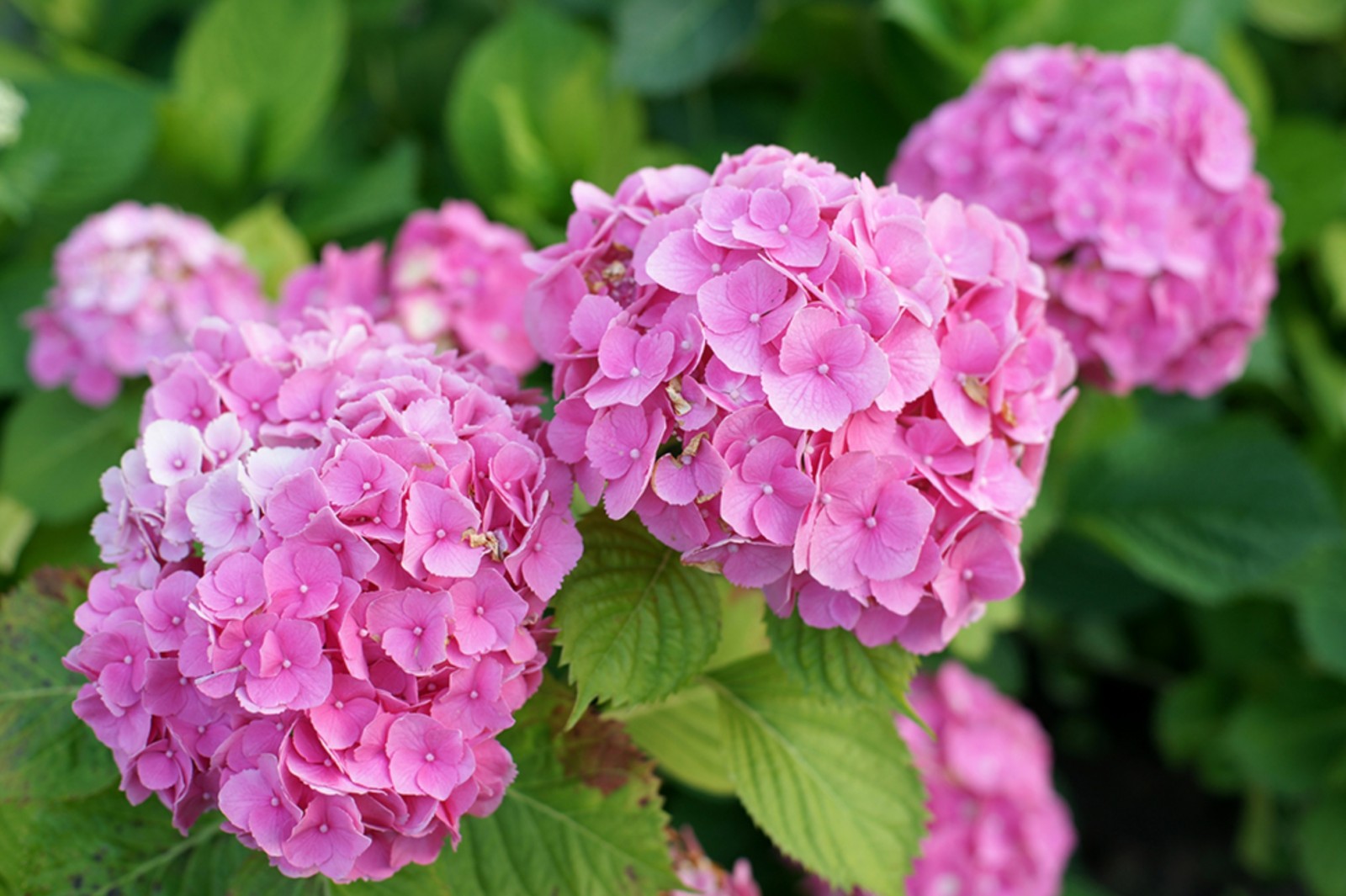
Hydrangea does not like direct sun, so it should be in partial shade on the north side. It should be protected from cold wind and drafts. It loves acidic soil. Pruning should only be done in spring. You can transplant young hydrangeas twice a year. From May to August hydrangeas need a lot of water because it is a period of active growth and flowering. Ideally use rainwater. Hydrangeas planted in beds can withstand winter too; just pile leaves around their roots or cover them with conifer boughs.
Hydrangeas love vinegar
Mix a cup of white vinegar with 4 liters of water and water the soil around the plants with this solution. I have been doing this regularly for a few years and the hydrangeas have really thrived for me since then. Never plant hydrangeas near a spruce; this tree has shallow roots and will draw moisture away from the hydrangea.