
Article content
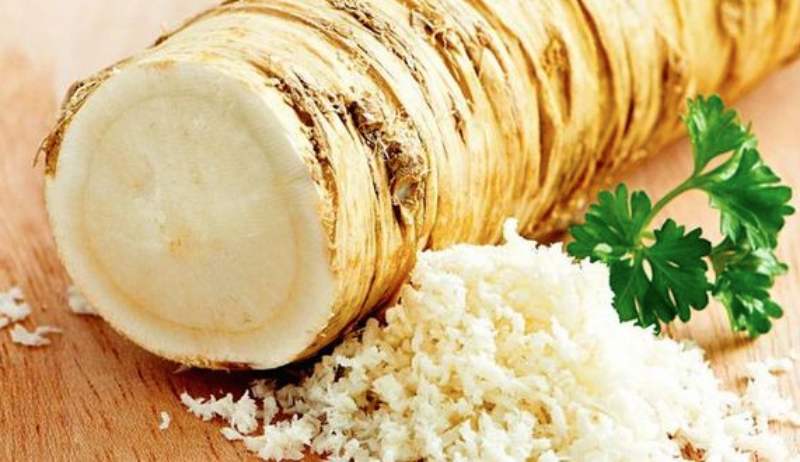
Horseradish is known for its strong medicinal effects and its penetrating, pungent flavor, which can bring many health benefits to the body. Although it was previously used mainly for its healing properties, today it is especially popular as a spice. However, as with all foods, it is important to realize that excessive consumption of horseradish can also have negative impacts on health.
Positive effects of horseradish
Horseradish has a long history as a natural remedy. Its root and leaves contain active substances that can alleviate various health problems:
- Anti-inflammatory effects: Horseradish helps reduce inflammation in the body and is a great aid for anemia, sinusitis, bronchitis and other respiratory illnesses.
- Relief from colds: The strong pungent aroma of horseradish clears the airways, making it ideal for people suffering from colds or a runny nose. Inhaling it can relieve the sinuses and reduce conjunctival inflammation.
- Antibiotic effect: Horseradish has strong antibiotic properties that are effective in treating bronchitis and lung diseases. It also helps against coughs, especially in the form of horseradish juice mixed with honey.
- Improves blood circulation: Horseradish improves blood circulation and may help regulate blood pressure. It is often used as an ingredient in salads for its health benefits.
- Treatment of rheumatism: Horseradish tinctures or compresses can alleviate the symptoms of rheumatism and joint pain.
How to consume horseradish correctly?
Horseradish can be consumed in various ways – fresh, grated, in the form of a tincture or horseradish vinegar. In the kitchen it is often used as a spice in sauces, soups, salads or for marinating meat. Many people also use horseradish for its preservative effects when pickling vegetables.
Negative effects of excessive horseradish consumption
Despite all the positive effects of horseradish, it is important to keep in mind that excessive consumption can cause health complications.
- Irritation of the digestive tract: Horseradish is very strong and consuming it in large quantities can cause irritation of the mouth, nose or stomach. In people with sensitive digestion, excessive use can lead to diarrhea or even bleeding from the stomach and intestines.
- Bleeding: Horseradish can cause a lowering of blood pressure, which is dangerous for people who have problems with low blood pressure or who take blood pressure-lowering medications.
- Irritation of the kidneys: Excessive consumption of horseradish can also cause irritation of the kidneys and urinary tract.
- Interactions with medications: The active substances in horseradish can negatively affect the action of some synthetic anti-inflammatory drugs and corticosteroids.
- Problems during menstruation and pregnancy: Consumption of horseradish is not suitable during menstruation, pregnancy or breastfeeding, as it can increase the risk of digestive tract irritation and cause other complications.
- Not suitable for children: Horseradish is not recommended for children under 5 years due to its strong effect and potential to cause irritation.
When to avoid horseradish?
People who have problems with stomach ulcers, digestive issues, heart disease, internal bleeding or intestinal inflammations should limit or completely avoid horseradish consumption. Additionally, people who take heart or blood pressure medications should be careful.
Conclusion
Horseradish is undoubtedly a powerful natural remedy that can bring many benefits to the body if consumed in moderation. It is important to realize that, like any food, horseradish has its limits. Excessive consumption can lead to serious health problems, so it is important to heed recommended amounts and always consult a doctor if you have any health issues.
Horseradish is a great helper in the fight against colds, inflammations and other health problems, but it should be handled carefully and sensibly.


