Article content
Even in ancient times people noticed that placing vegetables next to certain plants can significantly increase their yield, and conversely being next to others can cost you the crop.
Later scientists discovered how plants help each other obtain nutrients, attract beneficial insects for pollination, or repel pests.
vegetable planting
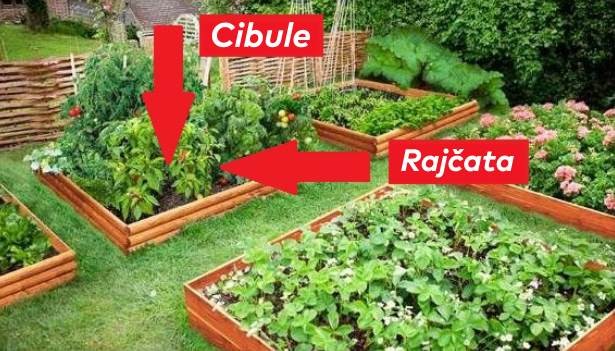
Plants that are “friends” and grow better together are called companion plants . For example, tomatoes prefer the company of carrots, dill and basil, whereas potatoes nearby can harm them.
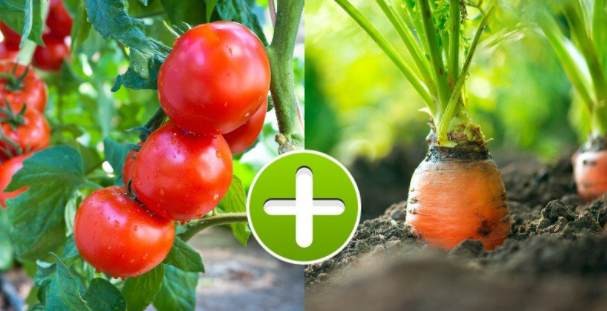
The strong aroma of basil repels pests, while carrots, dill, parsley and parsnip attract bees, ladybugs and spiders. These predatory insects feed on parasites and pests that damage tomatoes.
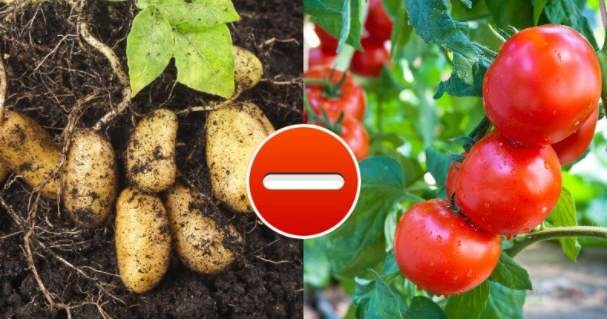
Tomatoes and potatoes belong to the same family and therefore are susceptible to the same diseases and pests. Together they will likely have low yields and diseases that harm both will spread quickly between them.
Neat rows of vegetables are undoubtedly pleasing to the eye and make harvesting easier. In nature, however, we don’t see perfect rows anywhere, but rather several plants grouped into homogeneous clusters.
Don’t hesitate to plant flowers directly among your vegetables – marigold,: plant flowers among vegetables such as marigold, calendula, marigold (aksamitník) or nasturtium. These flowers attract pollinating insects and thereby increase the fruitfulness of zucchini, peas, cucumbers, tomatoes. Tagetes is also an excellent natural aphid repellent.
Some plants, however, simply cannot stand each other, steal nutrients from one another and generally interfere with each other. Peppers and beans do not do well side by side, peas do not get along with onion, and lettuce does not want to be next to broccoli.
List of plants you can plant next to each other
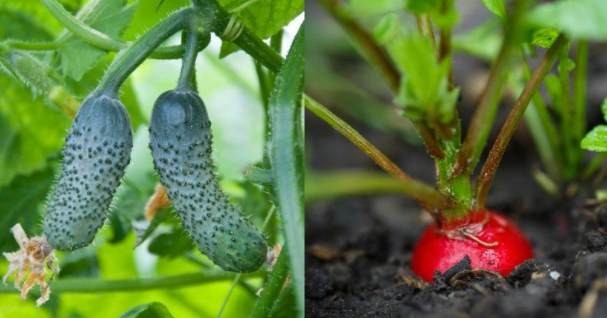
CUCUMBERS
- Good neighbors
Radish, pea, celery, head lettuce, cabbage, tomatoes, sunflowers, corn, marigolds. - Bad
sage, dill, mint, fennel.
TOMATOES
- Good neighbors
garlic, basil, carrot, onion, parsley, pea, sage, cabbage, calendula, spinach, lettuce. - Bad
potatoes, fennel.
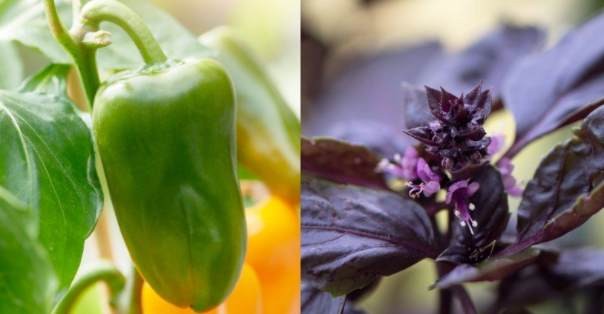
PEPPERS
- Good neighbors
Basil, carrot, oregano, marjoram, onion, calendula, coriander, marigold, catnip. - Bad
fennel, kohlrabi, beans.
EGGPLANT
- Good neighbors
pea, beans, lettuce, basil, tarragon, thyme. - Bad
potatoes and tomatoes.
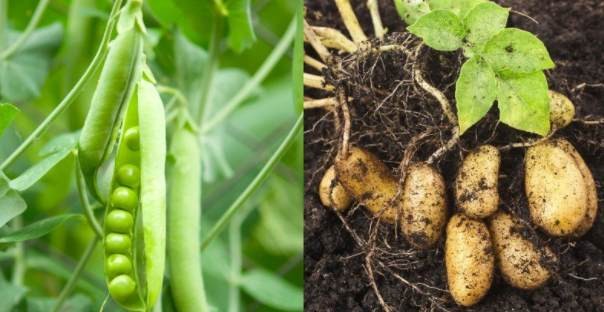
PEA PODS
- Good neighbors
carrot, corn, cucumbers, eggplant, lettuce, radishes, spinach, tomatoes, potatoes. - Bad
onion, garlic.
ZUCCHINI
- Good neighbors
Beans, corn, mint, nasturtium, radishes. - Bad
potatoes.
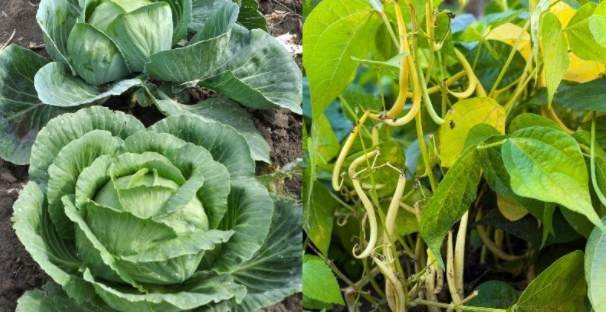
CABBAGE
- Good neighbors
Beans, sugar beet, celery, chamomile, dill, mint, onion, oregano, potatoes, sage. - Bad
strawberries, tomatoes.
POTATOES
- Good neighbors
Beans, cabbage, corn, head lettuce, onion, calendula, radishes, coriander, flax. - Bad
tomatoes, cucumbers, sunflowers, pumpkins.
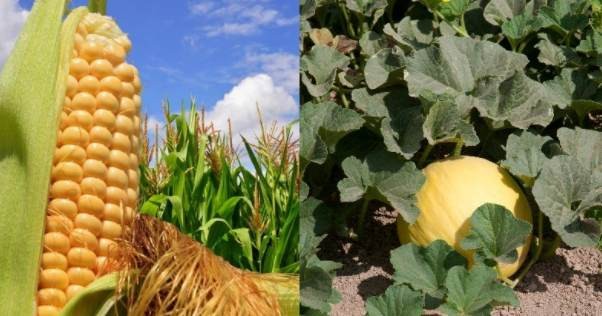
CORN
- Good neighbors
Pea, melon, pumpkins, beans, soybean, sunflowers, lupine. - Bad
celery and beet.
ONION
- Good neighbors
potatoes, strawberries, carrot, lettuce, beet, tomatoes. - Bad
pea, beans, sage.
CARROT
- Good neighbors
Onion, leek, garlic, tomatoes, beans, radishes, pea, sage. - Bad
dill, anise.
Want beautiful roses?
For beautiful garden roses, plant garlic near them. Garlic repels pests and aphids that tend to attack roses. If you grow garlic near roses, pests will keep their distance because the smell of garlic repels them from afar. Although garlic doesn’t exactly smell the most pleasant, in fact it can do another great service for roses . It underlines and enhances their fragrance. So roses smell stronger and prettier because of it.