Article content
When it comes to toilet habits, few people like to talk about this topic – at least those over four years old. Mention stool – and those who want to talk are shunned, or to a lesser extent a strange look, nervous laughter and jokes about „too much information“ appear.
But your stool is an important issue that deserves serious attention, regardless of the „yuck factor“. After all, if you don’t pay attention to what’s left in the toilet, you’ll simply flush your health down the drain!
Did you know that the average person produces about five tons of stool over a lifetime?
It turns out you can learn a lot of useful things from this mountain of waste.
Shape, size, color and other properties of stool can tell you a lot about your overall health, how your gastrointestinal tract is functioning, and can even point you toward serious illnesses you may have – for example infections, digestive troubles, etc., even cancer. Stools come in almost every color of the rainbow … and please forgive me for using the words stool and rainbow in the same sentence.
Although “normal” stool can vary in color, consistency and shape, there are still aspects that should be consulted immediately. From this perspective, in the following review we will discuss what is normal and what is not on the toilet.
What is normal stool?
Your stool is made up of 75 percent water. The rest is a smelly combination of fiber, live and dead bacteria, various cells and mucus. The characteristics of your stool will tell you how happy and healthy your digestive tract is – color, smell, shape, size, even the sound the stool makes as it drops into the water, and even whether it goes under the water or stays on the surface – all these important and relevant pieces of information.
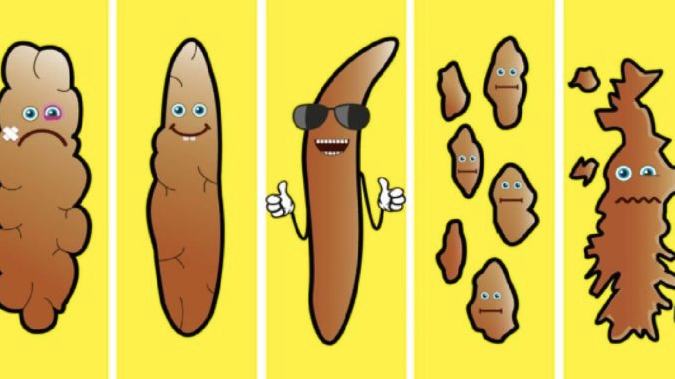
The Bristol stool scale is a useful tool to help you understand the state of things. Ideally, your stool should correspond to types 3, 4 and 5, from “sausage or snake-like with a soft, smooth surface” to “soft lumps that pass easily through the rectum.” Type 4 is the golden middle road.
Fiber gives stool bulk and acts like glue so the stool doesn’t fall apart. Soft stool, but not diarrhea, may be associated with lactose intolerance, artificial sweeteners (sorbitol and Splenda) or a reaction to fructose or gluten.
Look, listen and smell – and then wash up
So you look in the toilet: is everything okay there? The following table will help you find out what to look for so you don’t worry needlessly. Of course there are a number of signs that MUST be worrying, and they are listed there as well. If changes in stool are accompanied by abdominal pain, tell your doctor.
Does the stool smell?
If your stool has an extremely unpleasant odor, it cannot be ignored. I mean a smell that is much worse than the usual odor of stool. Fetid stool can be associated with a number of health problems, such as:
Celiac disease
Crohn’s disease
Chronic pancreatitis
Cystic fibrosis
Cystic fibrosis (CF) is a condition caused by a faulty gene that makes the body produce abnormally thick sticky mucus that builds up and causes life-threatening lung infections and severe digestive problems. Most cases of CF are diagnosed before the age of 2, so this problem is more common in infants and young children.
Since we’re on the subject of smelly things, let’s remember gas. It is normal to pass gas (flatulence). Not only is it normal, it is also a sign that the trillions of hard-working gut bacteria are doing their job well. People release gas on average 14 times a day – from 0.5 to 2 liters! 99% of gas is odorless, so you may not even know it’s happening. Think about it – if it weren’t for that, we’d burst like balloons!
Constipation and diarrhea
Processing food into stool and expelling it takes on average 18 to 72 hours. If this time is significantly shortened, diarrhea will appear because the intestines do not have time to absorb all the water. Conversely, if this time is extended, constipation may occur because too much water is absorbed, causing the stool to harden and dry out.
Constipation is defined as straining to pass hard, dry stools; at the same time the frequency of bowel movements is usually reduced. Straining is unusual, as is the feeling of incomplete evacuation, bloating, cramps or lethargy after emptying. The risk of constipation increases significantly after age 65.
Chronic advanced constipation can cause fecal impaction, which is a serious medical condition. Laxatives should be avoided at all costs and used only as a last resort.
How to achieve perfect bowel motility
Most gastrointestinal problems can be prevented or resolved with simple dietary and lifestyle changes. If you have trouble emptying or don’t feel well, look at the following factors and think about what you can do to change. These strategies can help prevent constipation or diarrhea and also prevent recurrence.
Eliminate all sources of gluten from your diet (most common are wheat, barley, rye, spelt and other grains)
Eat a diet that includes whole foods, rich in fresh organic vegetables and fruits that will give you nutrients and fiber; most fiber should come from vegetables, not grains
Avoid artificial sweeteners, excess sugar (especially fructose), chemical additives, monosodium glutamate, excessive amounts of caffeine and processed foods, all of which are harmful to the gastrointestinal tract
Strengthen your gut flora by adding naturally fermented foods, such as sauerkraut, pickles and kefir to your diet (if you have dairy). add probiotics if you think you are not getting enough beneficial bacteria in your diet
Try increasing fiber intake – psyllium and freshly ground organic flaxseed are worth considering (aim for 35 grams of fiber per day). Maintain water balance – drink plenty of fresh, clean water.
Avoid pharmaceutical drugs such as pain medications like codeine or hydrocodone that slow bowel activity, antidepressants and antibiotics that can cause various digestive disorders
Resolve emotional issues using tools such as EFT
Consider squatting to defecate, which straightens the rectum, relaxes the puborectalis muscle and stimulates complete bowel emptying without straining. Scientifically proven to relieve constipation and hemorrhoids
Try using a bidet
Try a bidet as a practical and affordable alternative to toilet paper. After that you are unlikely to go back to toilet paper! There’s no comparison with a bidet! A bidet is much gentler and less irritating to the skin than paper and your hands stay clean. When I’m on a business trip, the thing I miss most is the bidet. Almost everyone who has one loves bidets.