
Article content
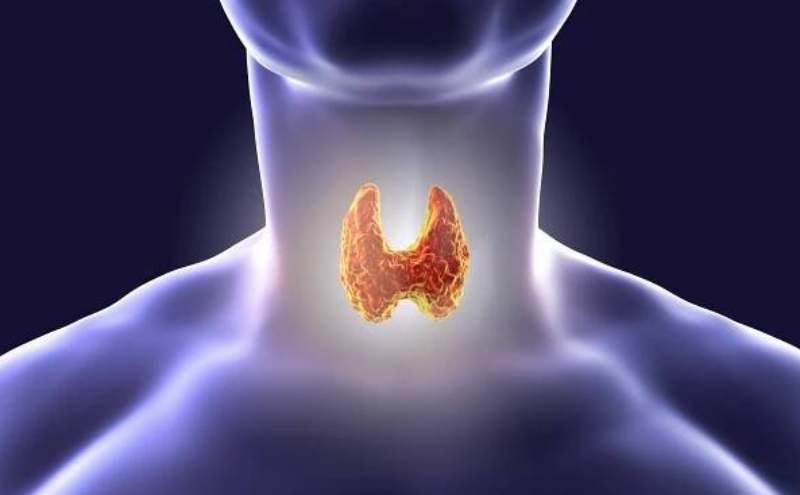
The thyroid gland, a small butterfly-shaped organ located on both sides of the esophagus, plays a key role in regulating the body’s basal metabolism. It produces two important hormones, thyroxine (T4) and triiodothyronine (T3), which affect all cellular processes in the body. Thyroid disorders can have a wide impact on health and well-being, but some symptoms can be subtle and easily overlooked. Here are 8 lesser-known symptoms that may indicate thyroid problems.
1. Frequent muscle or joint pains
If you suffer from frequent muscle or joint pains that do not subside even after treatment, it may be a sign that your thyroid gland is not functioning properly. These pains can be caused by inflammation or metabolic changes influenced by the thyroid gland. If the pain persists, it is important to consult a doctor.
2. Bloating and swelling
Bloating and facial swelling that are not caused by dietary changes or other common factors may be symptoms of thyroid problems. Metabolic changes caused by a thyroid disorder can lead to fluid retention and swelling in the body.
3. Tremor and anxiety
Tremors in the hands and feelings of anxiety can be signals that your thyroid is out of balance. Thyroid hormones influence the regulation of other hormones in the body, which can lead to problems with concentration, tremors, and increased anxiety.
4. Weight changes
Sudden weight changes, whether rapid gain or loss, can be symptoms of thyroid disorders. The thyroid regulates metabolism, and any deviations in its function can have a direct impact on your body weight.
5. Irregular menstruation
Thyroid problems can have a significant impact on the menstrual cycle. Women may experience irregular bleeding or excessively long periods, which can be caused by hormonal fluctuations due to a thyroid disorder.
6. Changes in mental function
If you experience constant fatigue, dizziness, or problems with mental clarity, it may be a consequence of reduced thyroid function. Insufficient levels of thyroid hormones can affect your energy and cognitive abilities.
7. Temperature fluctuations
People with thyroid problems often experience unusual reactions to temperature. You may feel too hot in cold weather or, conversely, suffer chills in warm conditions. These fluctuations may indicate that your thyroid is not functioning optimally.
8. Hair loss and facial paleness
If you have started losing hair or have a pale complexion, it may be another symptom of thyroid problems. These symptoms can be the result of hormonal imbalances caused by a thyroid disorder.
It is important to be aware of these symptoms and, if they appear, to consult a specialist. Diagnosis and treatment of thyroid problems can significantly improve your quality of life and health. Remember to regularly check your health and pay attention to any changes in your body.


