Article content
When you find out that the tomatoes are fruiting, it means that the flowers will fall off and you then must be careful, because rot can appear that can kill the whole plant. If you encounter such a problem, it is good to get rid of it quickly. We will advise you on how to do it, because the procedure is very simple.
Check your plants regularly so you can catch rot in time
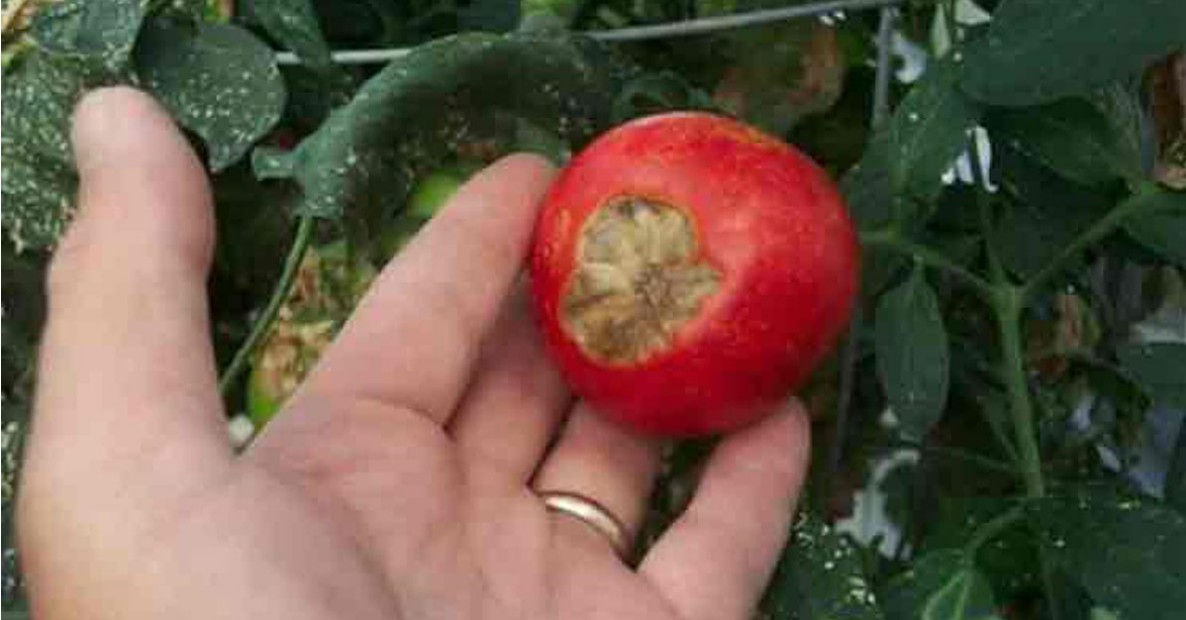
If your crops are attacked by rot, you will recognize it by the fact that the vegetable will be dark inside and will also rot. When it is dry outside, the rot will be dry; in rain it will be wet. The same will happen with peppers. If rot appears on the stems, it is a signal that they lack an important substance – calcium. Therefore it is good to notice it in time so you can prevent further disease.
Even if the plants are already infected, you can save them. Unfortunately, you may have to throw away fruits that are rotten, because they can no longer be eaten. But you can save others, which you will then enjoy. If you fertilize with preparations containing potassium, you must also add calcium. This applies to both tomatoes and peppers. And how to fertilize such crops? You can make your own fertilizer that you will have on hand at any time.
How to protect plants preventatively?
If you want to make fertilizer at home, you will need 10 g of calcium nitrate in 10 liters of water. Mix and spray on the leaves. If you also want to treat the roots, mix 1 g of nitrate in water for each plant. You can also spray tomatoes with another solution, namely calcium chloride. As a prevention you can use fertilizers that contain phosphorus and potassium. And you can treat the seeds before you plant them in the ground.
On hot summer days tomatoes can suffer from a lack of moisture because it begins to evaporate from the leaves. Therefore it is appropriate to water the plant regularly and abundantly. Rot can then attack the tomatoes in no time. The health of the plant can also be influenced by other factors, such as high soil acidity, too little calcium, or an excess of nitrogen.