
Article content
Didn’t plant tomato seeds in March? It doesn’t matter; if you did it at the end of April, in May you can look forward to strong seedlings that will provide you with a bountiful harvest. In any case, you also need to pay attention to the temperature of the soil into which you plant the seeds. The soil temperature should be around twenty degrees during the day. At night the soil should be eight to ten degrees, definitely not less. If you cannot ensure such conditions, it’s always better to wait until the second half of April. And if you didn’t sow seeds even at the end of April, now you have the last chance.
Which variety to choose
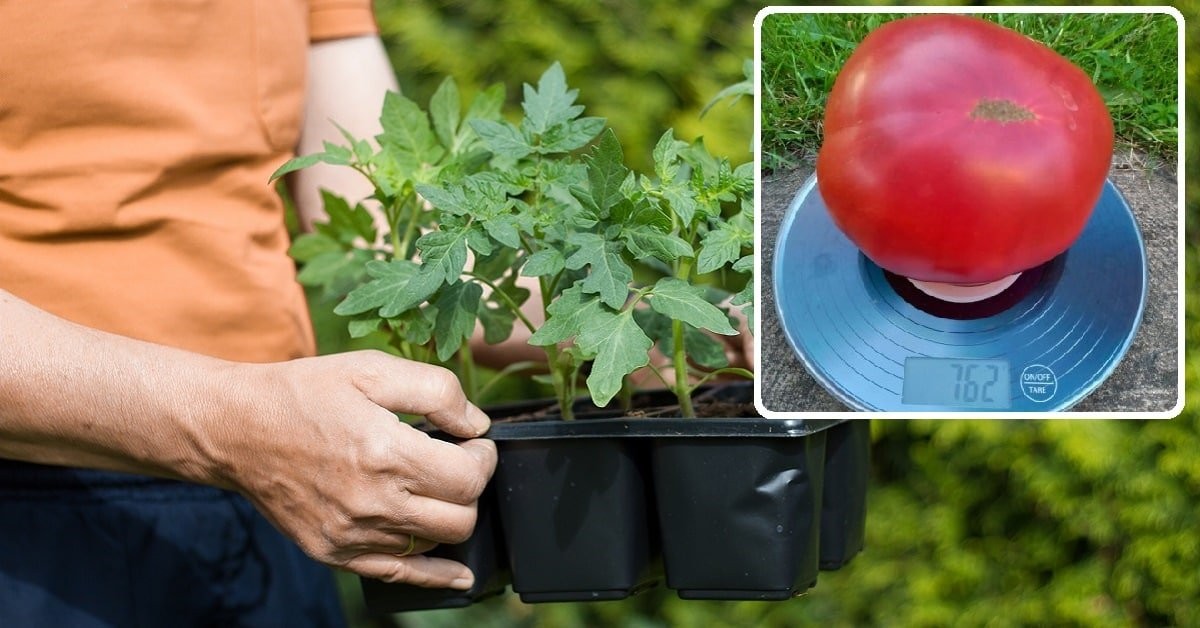
There is never any need to rush when sowing tomato seeds if you cannot provide the right conditions for them. If the seeds are exposed to cold or lack of light, the seedlings may not grow. Once you sow the seeds, it will take approximately 55-60 days before the seedlings are strong and ready to be planted out in the garden or greenhouse. If you sow the seeds later, we recommend the Chibis variety, which has elongated, juicy, and sweet fruits. They ripen quickly and are not so demanding to grow. If you want larger tomatoes, choose the Ispoline variety. If you decide to grow tomatoes in a greenhouse or polytunnel, remember the humidity of that environment. Some tomato types are very prone to mold and pest infestation, so we recommend planting hybrid varieties in the greenhouse, such as Mazarin.
How to sow tomatoes
If you have chosen a tomato variety, simply sowing and watering will not be enough. Experienced gardeners use a trick to obtain quality seedlings. Once you have the seeds, soak them in a bowl of water for about ten minutes. Some seeds will sink to the bottom of the bowl. That means they are of good quality and will produce a beautiful seedling. Those seeds that float on the surface you should discard. Then slowly pour off the water and sow the quality seeds into the prepared substrate. Provide the seeds with soil for tomatoes – acidic soil. We recommend using containers with lids or film for sowing, which have small holes to allow air to flow and ensure the seeds and later the roots do not rot. In the substrate create small holes into which always sow two seeds so that there is a chance at least one of them will germinate. Then cover the seeds or lightly sprinkle them with substrate and cover with the chosen cover. Place the prepared container with seeds on a windowsill near the heating.
In conclusion
Once the seedlings grow to about eight centimeters, transplant each of them into individual pots – now larger ones. These can be yogurt cups. Again keep the seedlings warm and maintain a moist substrate. However, it must not be wet so that the roots do not rot. Now you know how to properly sow the seeds and which seeds to choose – you can look forward to a bountiful harvest.


