Article content
Blood clots, also known as thrombosis, can develop at any time during life, even without prior symptoms. This condition can have serious consequences if it is not detected and treated early. Blood clots form when an excess of red and white blood cells, or platelets, accumulates in the blood. The cause can be not only a genetic predisposition but also medical conditions such as lupus or polycythemia vera.
In this article we will look at the main types of thrombosis, how to recognize it, which symptoms you should not ignore, and how it is treated.
Two main types of thrombosis
There are two basic types of thrombosis that can affect a person’s health:
- Venous thrombosis – a blood clot that forms in the veins and prevents blood from returning to the heart.
- Arterial thrombosis – a blood clot that blocks an artery and restricts the supply of oxygenated blood from the heart to the body.
Both types can have serious consequences if they are not diagnosed and treated promptly.
Symptoms of thrombosis
A blood clot can form in various places in the body, but most commonly appears in an upper or lower limb. Symptoms may vary depending on the location of the blocked vessel. In limb thrombosis, the following manifestations most commonly occur:
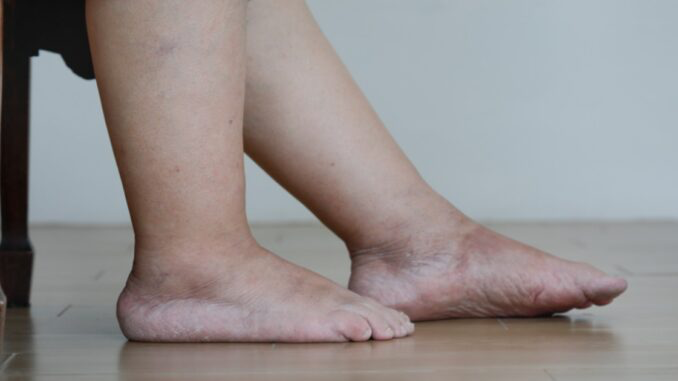
- Swelling – the affected part of the body may become enlarged and swollen.
- Redness – the area around the clot may become red.
- Warmth at the site of swelling – the affected area is warmer than the surrounding tissues.
- Tenderness – pressure on the affected area causes pain.
- Change in color – the limb may be pale or blue.
These symptoms should not be ignored. Thrombosis can lead to serious health problems if part of the clot breaks off and travels to the lungs, heart, or brain. In such cases, serious conditions may occur, such as:
- Pulmonary embolism – blockage of the pulmonary artery.
- Myocardial infarction – blockage of the arteries in the heart.
- Stroke – blockage of blood vessels in the brain.
Symptoms that indicate a clot may be traveling to the lungs, heart, or brain include:
- Shortness of breath
- Coughing up blood
- Chest pain
- Nausea
- Loss of sensation in the limbs or tingling
- Problems with speech
- Loss of vision
How to treat thrombosis?
Treatment of thrombosis is very important and should be carried out under a doctor’s supervision. If blood clots do not dissolve by the body’s natural processes, medications that prevent blood clotting (anticoagulants) or drugs that help dissolve clots (fibrinolytics) may be prescribed.
If medications are not effective, surgical removal of the blood clot may be necessary.
Risk factors for thrombosis
Blood clots can arise due to various factors, with one of the biggest risk factors being varicose veins. These enlarged veins in the lower limbs are an ideal place for clots to get trapped. People with varicose veins have a higher likelihood of developing thrombosis.
If you suffer from swelling, throbbing pains, or tingling in your legs, treatment with venotonic medications, which are drugs intended to strengthen the venous walls, may help. Topical preparations in the form of gels, creams, or ointments can also contribute to relief from pain and inflammation.
Prevention of thrombosis
Prevention is key, especially if you belong to a group with a higher risk of developing thrombosis. Recommended preventive measures include regular exercise, maintaining a healthy body weight, adequate fluid intake, and proper nutrition.
If you have varicose veins, regularly wearing compression stockings can help improve circulation and reduce the risk of clot formation.
Conclusion
Early recognition and treatment of thrombosis is essential to prevent serious complications. If you suspect a blood clot or experience symptoms such as pain, swelling, or a change in the color of a limb, seek medical help immediately.