
Article content
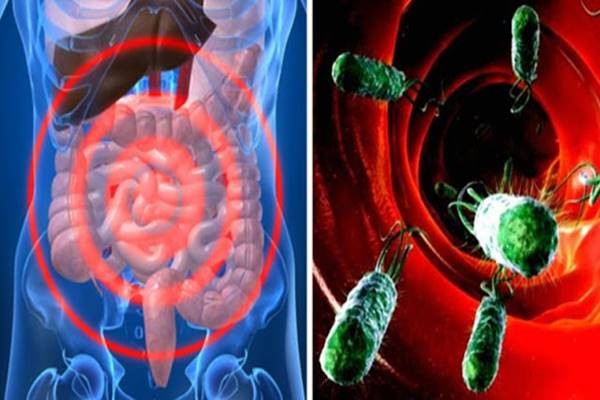
The intestine is the longest human organ, it is connected to the digestive tube and ends with the anal opening. Its job is to digest and absorb food, from which we obtain nutrients for the whole body. And our overall health depends precisely on the health and proper functioning of the intestines. In our intestines live many microorganisms that are important for the body. These include, for example, bacteria, fungi, or viruses.
Gut health is related to our health, both physical and mental. It also affects the formation of eczema. A disrupted intestine can lead to many problems, both minor and serious.
How to make sure the intestine is functioning completely correctly
Waste that accumulates in the intestines should be expelled from the body no later than 24 hours after the meal it comes from. This can be checked very easily if you eat something with a noticeably different color. Beetroot is recommended; it is a color so specific that you cannot mistake it for anything else, even if you tried. If the stool turns red after eating beetroot, you can be sure it passed out in time.
Proper bowel movement
The intestines should ideally move 2x – 3x a day. Therefore the optimal number of times to go to the toilet should also be 2x to 3x. Some people go to the toilet only once a day, which is also not entirely correct. Bowel movement is slow and harmful substances for the body are deposited on the wall of the large intestine.
Support proper intestinal function
If you have had an illness during which you took antibiotics, your intestinal microflora is very disturbed. Therefore increase the amount of fermented dairy products.
Digestive problems can start already in the mouth. It is not good to rush food and gulp it down. Digestive problems begin when badly chewed food is swallowed. You could suffer from stomach problems which would then extend down to the intestines.
Physical activity, which is so often talked about, also supports proper intestinal function. In particular, loading the muscles of the back and abdomen supports intestinal peristalsis.


