Article content
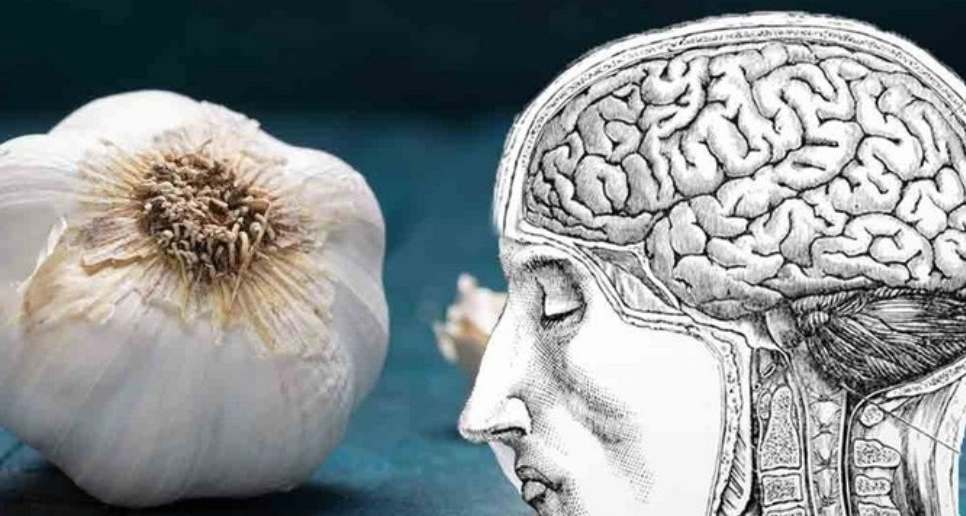
Consuming garlic may be good for your brain, especially as you age. According to researchers at the University of Louisville, this pungent-smelling plant may protect brain health by countering age-related changes in gut health that are associated with cognitive function.
The study, presented in 2019 at the annual meeting of the American Physiological Society, adds further credibility to garlic’s status as a superfood and supports its strong medicinal properties, which have been valued since ancient times.
There is a direct connection between the brain and the gut. High gut bacterial diversity is associated with better health, but as you age, this gut diversity can decline.
At the same time, neurodegenerative diseases such as Alzheimer’s and Parkinson’s tend to appear later in life.
That led scientists to explore the links between changes in gut microbiota and age-related cognitive decline, and how garlic might help.
A compound in garlic improves gut bacteria and memory
The study used 24-month-old mice, which is equivalent to a human age between 56 and 69 years.
Some mice received allyl sulfide, a garlic compound, which led to improvements in both long-term and short-term memory, as well as healthier gut bacteria compared with mice that did not receive the supplement.
Mice taking the garlic compound also had higher gene expression of neuronal natriuretic factor (NDFN), a gene necessary for memory consolidation. Reduced NDFN expression may be linked to cognitive decline.
“Our findings suggest that dietary garlic containing allyl sulfide could help maintain healthy gut microorganisms and improve cognitive health in older people,” Jyotirmaya Behera, PhD, said in a press release.
The connection between gut bacteria and neural health is not new. For example, people with dementia have a different composition of gut microbiota compared with those who do not. In the journal Protein & Cell, scientists further explain:
“New research suggests that the microbiota of the gastrointestinal tract has a direct relationship with the pathogenesis of dementia, through triggering metabolic diseases and progressive low-grade inflammation.
As a strategy for managing these disorders and as an adjunct to psychiatric treatment of dementia and other related diseases, calming the microbiota (i.e., using probiotics) has been proposed. “
The idea that garlic could act as an important factor for the gut microbiota is an unusual concept, although perhaps it should not be, because garlic is a source of inulin, a type of water-soluble prebiotic fiber.
Inulin aids digestion and absorption of your food and plays a significant role in the function of your immune system.
Inulin is a fructan, meaning it is made of chains of fructose molecules. In the gut, inulin is converted into short-chain fatty acids, which are then converted into healthy ketones that nourish your tissues.
Aged garlic extract benefits the brain
Previous research has also highlighted the benefits of a specific type of garlic — aged garlic extract (AGE) — for brain health.
AGE, known for its strong anti-inflammatory effects, improved short-term cognitive memory and reduced inflammation in rats with Alzheimer-like disease.
The study used fresh garlic that was aged to create aged garlic extract. This produces beneficial organic sulfur compounds such as S-allylcysteine (SAC), which is found in much higher amounts in aged and black fermented garlic than in raw garlic.
AGE also contains thiosulfinates, which have antioxidant effects and whose safety and efficacy in humans have been demonstrated in more than 350 studies. AGE may protect the brain in a number of ways, such as:
- protecting against neurodegenerative conditions
- protecting against brain damage after ischemia
- protecting nerve cells from apoptosis
- protecting against oxidative death induced by β-amyloid
“Moreover,” the researchers explained in the journal Nutrients, “treatment with AGE or S-allylcysteine has been shown to prevent degeneration of the frontal lobe, improve learning and memory, and extend lifespan.”
It has also been found that aged garlic extract, after three months of use, improves the gut microbiota, increasing microbial richness and diversity.
AGE and SAC have also been promoted as potential preventive and therapeutic agents for Alzheimer’s disease.
Despite the above, raw garlic has also shown promise for memory function, including one study in which rats fed garlic showed improved information retention in memory.
Garlic was valued in ancient times
The value of garlic has been known for centuries. Mentions of garlic can be found on Sumerian clay tablets dating from 2600 BC.
In ancient Egypt, garlic was given to the working class to support hard labor. At the first Olympic Games in Greece, athletes consumed garlic to increase endurance.
In ancient Chinese medicine, garlic was used for digestion, treating diarrhea and parasitic infestations, while in India it was used for general healing as well as treating fatigue, parasites, digestive problems, heart disease and arthritis.
“It is fascinating to observe how many cultures that never came into contact reached the same conclusions about the role of garlic in health and disease. If folk wisdom had not been ignored, it could have taught us valuable lessons,” scientists wrote in the journal Nutrition Journal, and many of those lessons are now being confirmed by science.
They further wrote:
“With the advent of the Renaissance, medicinal use of garlic received increasing attention in Europe.
The leading 16th-century physician, Pietro Mattiali of Siena, prescribed garlic for digestive disorders, worm infestations and kidney disorders, and also to help mothers in difficult childbirth.
In England, garlic was used for toothache, constipation, dropsy and seasickness.
Currently, scientists are attempting to verify many of these properties of garlic, particularly regarding the identity of active ingredients, their mechanisms of action and exploring potential benefits in the form of dietary supplements.”
Garlic is good for your heart and blood vessels
Garlic is known as a prevention and remedy for a range of cardiovascular and metabolic diseases.
It is mainly about protection against diseases such as:
- atherosclerosis (hardening and clogging of the arteries)
- thrombosis (blood clots)
- high blood pressure
- diabetes
Not only does it stimulate immune activity, increase detoxification and have antimicrobial effects, but it also has strong antioxidant capabilities that support health.
In addition, garlic powder had a protective effect on aortic elasticity in older adults. The aorta is the largest artery in your body and its job is to deliver blood from the heart to the rest of the body.
Aortic stiffness is commonly seen with aging, but it is also associated with an increased risk of heart disease, heart attack, heart failure and stroke.
In older adults who took garlic powder, the age-related increase in aortic stiffness was mitigated, with researchers concluding the following:
“These data strongly support the hypothesis that garlic intake has a protective effect on the elastic properties of the aorta associated with aging in humans.”
In other research, consuming two grams of fresh garlic increased plasma concentrations of nitric oxide (NO) in healthy adults, which is beneficial not only for your heart.
Nitric oxide is a soluble gas continuously produced from the amino acid L-arginine within your cells.
Although nitric oxide is a free radical, it is also an important biological signaling molecule that supports normal endothelial function and protects your mitochondria — the little “powerhouses” in your cells that produce most of your body’s energy in the form of ATP.
It is also an effective vasodilator, helping to relax your blood vessels and increase their diameter. A healthy blood flow allows efficient oxidation of tissues and organs and helps remove waste and carbon dioxide.
Nitric oxide also improves brain neuroplasticity by improving oxygenation of the somatomotor cortex, areas of the brain often affected in the early stages of dementia.
Garlic fights infections and cancer
Garlic has immunostimulatory properties, and so it can be useful in fighting a range of infections.
When 146 adults received either a placebo or a garlic supplement for 12 weeks, those who took garlic had significantly fewer colds and those who became infected recovered faster.
In another study concerning AGE (aged garlic extract), those taking garlic experienced milder colds and flu, less severe symptoms and fewer days of impaired functioning or work/school absence.
According to scientists in the Journal of Nutrition, “garlic contains a number of components that have the potential to affect immunity.”
“These results suggest that taking an AGE supplement may enhance immune cell function and be partly responsible for the reported milder course of colds and flu.
The result also suggests that the immune system functions well with the AGE supplement, perhaps with less accompanying inflammation.”
In this regard, garlic’s effects in fighting cancer have also been well demonstrated.
Laboratory studies have shown that garlic can kill cancer cells and that it has been promising when consumed in the diet.
It also appears that those who consume large amounts of fresh garlic have a lower risk of stomach and colorectal cancer.
Furthermore, in people with inoperable forms of colon, liver or pancreatic cancer, six months of aged garlic intake helped improve immune functions, suggesting it may be useful as support for your immune system during times of stress or illness.
Many types of healthy garlic
You can’t go wrong consuming garlic, but if you don’t like its pungent smell, or you want to further increase the healthy effects, consider black garlic, which is made by “fermenting” whole heads of fresh garlic in a controlled-humidity environment at temperatures around 60 to 77 degrees Celsius for about 30 days.
After removal from heat, the bulbs are often left to oxidize in a clean room for 45 days. This long process causes the cloves to blacken and develop a soft, chewy texture with aromas reminiscent of balsamic vinegar and soy sauce and a flavor reminiscent of sweet plums.
Even those who hate garlic may enjoy the taste of black garlic. This superfood has been found to have greater antioxidant activity compared with fresh garlic.
For the journal Molecules researchers stated:
“Some people hesitate to eat fresh garlic because of its unpleasant odor and taste. Many types of garlic preparations have therefore been developed to suppress these properties without losing their biological functions. Aged black garlic (ABG) is a garlic preparation with a sweet-and-sour taste and without a strong odor.”
If you decide to consume raw garlic, be aware that to stimulate the enzyme alliinase, which catalyzes the formation of allicin — which then quickly breaks down and creates a range of different beneficial organosulfur compounds — the raw clove must be crushed or cut and left to stand in the air for a few minutes.
So to “activate” the medicinal properties of garlic, crush a fresh clove with a spoon, mash it or finely chop it before swallowing.
If garlic breath bothers you, it is a small price to pay for many subsequent health benefits. Any lingering unpleasant odor, however, can be suppressed by chewing fresh apple, mint leaves or lettuce.
It has been found that all of these natural foods significantly neutralize garlic breath. So you can eat as much garlic as you like and not have to worry about bothering others.