Article content
When we look back to 1975, the time of my childhood, we see a world of shops and shopping that differed significantly from today’s modern environment full of supermarkets and online stores. I was four years old then and I remember how my mother and I used to go to small shops that were not just stalls, but places where the scents of fresh baked goods and pickled ‘utopenci’ mingled. In the town there were also self-service stores, which for me as a shy child represented a refuge. I could move freely between the shelves and, according to my mother’s list, pick the necessary goods into a wire basket.
Shopping as a social experience
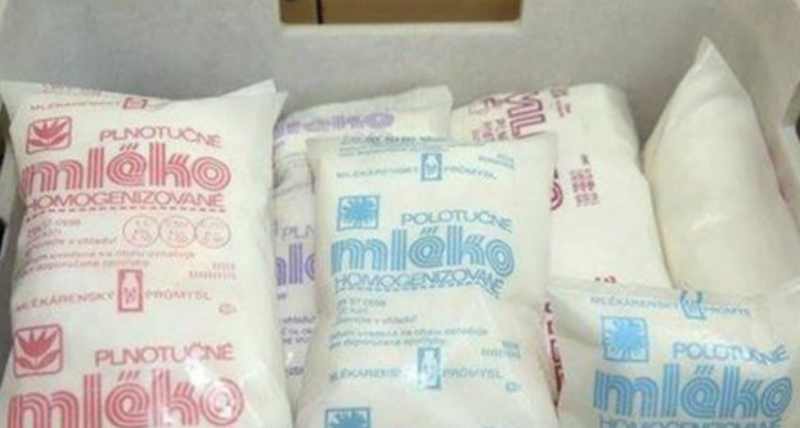
These small shops were for us more than just places to buy goods. They were social hubs where neighbors met, exchanged news, and shared advice about scarce goods. Milk at that time tasted different than what we’re used to today. This was due not only to the way it was packaged — in a bottle or a bag — but also to its origin from local farms. Every sip of milk was a reminder that food has its origin, and that we should appreciate it.
Memories of scarce and abundant goods
The socialist period in which I grew up was paradoxically a time of both full and empty shelves. On the one hand there were periods when goods were sufficiently available and people could enjoy a feeling of abundance; on the other hand there were periods when the shelves were empty and every shopping trip turned into an adventure of searching and discovery.
I remember the openings of department stores like Kotva and Máj, which became symbols of modern shopping and where spectacular pre-Christmas shopping took place. These department stores were the showcase of the then-regime, but also places where people tried to find what was scarce.
Values from the past
Today’s shopping is undoubtedly more convenient and efficient, but memories of shops from the past remind us that every era has its charm and its challenges. Perhaps precisely because not everything was easily available, we appreciated it more and were grateful for every little thing we had. These memories of shops from the past teach us the value of simple pleasures and give us an opportunity to reflect on how to appreciate even the smallest things in our everyday lives.