
Article content
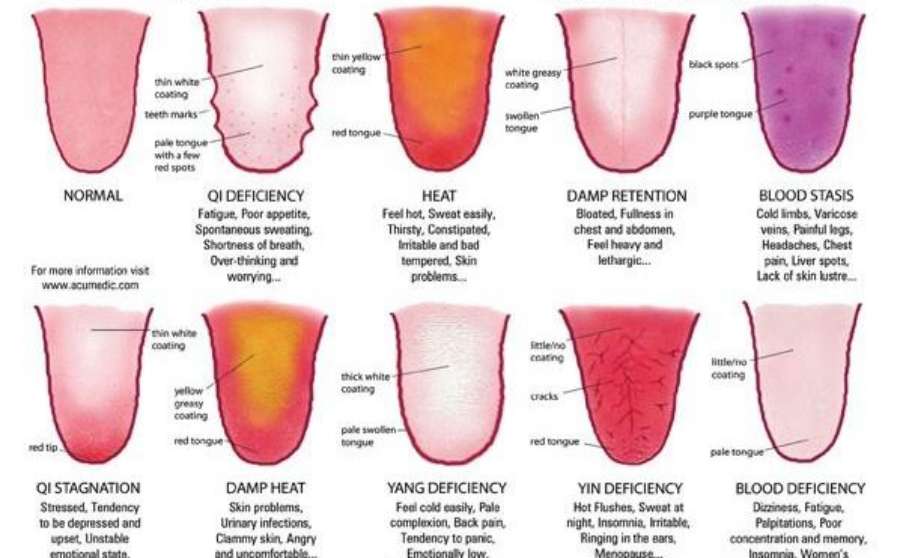
The tongue is one of the most important muscles in our body, playing a key role in speech and digestion. Few people, however, know that the tongue can also be an indicator of your health. Changes in color, texture or coating on the tongue can signal various health problems. See what your tongue can tell you about your body.
1. Normal pink color of the tongue: You’re fine
A healthy tongue should be light pink, covered with a thin, white coating. Such a tongue indicates that your body is in good condition and has no serious health issues. If your tongue is clean, smooth and without noticeable changes, it means your body is functioning properly.
2. White or thick coating: May indicate digestive problems or candidiasis
A white tongue or thick white coating can be a sign of several health problems. It often indicates digestive issues, such as constipation or an imbalanced gut microbiome. Another possible cause is the presence of candidiasis, which is an overgrowth of yeast in the oral cavity. If you have a thick white coating on your tongue, it is advisable to consult a doctor.
3. Yellow tongue: May point to liver or stomach problems
If you notice that your tongue has a yellow tint, it may indicate problems with the liver or stomach. This phenomenon is often associated with an excessive amount of toxins in the body or poor digestive system function. Make sure you eat a balanced diet and drink enough water so your body can function properly.
4. Red tongue: May indicate vitamin deficiency or fever
A red to deep red tongue can be a sign of a vitamin deficiency, especially vitamin B12 and iron. These deficiencies can cause changes in tongue color and trigger fatigue or weakness. However, a red tongue may also signal a fever or inflammation in the body. If you have a red tongue for a prolonged period, consider visiting a doctor and supplementing vitamins.
5. Purple or blue tongue: Circulation or heart problems
A purple or blue tongue is often a sign of poor blood circulation or low blood oxygenation. It can be a signal of problems with the heart or lungs, a condition that should be consulted with a doctor immediately. If you develop a purple tongue, prompt action is necessary, as it may indicate a serious health issue.
6. Black and hairy tongue: Oral hygiene issue or smoking
Although it sounds frightening, a black and „hairy“ tongue is mostly harmless, but it is often caused by poor oral hygiene, excessive smoking or heavy consumption of coffee and tea. This condition occurs when the papillae on the tongue enlarge and trap bacteria and debris. The solution is better oral hygiene and reducing consumption of substances that stain the tongue.
7. Smooth and pale tongue: Iron deficiency or anemia
If your tongue is pale, smooth or glossy, it may be a sign of anemia or iron deficiency. This condition often appears in people who have low hemoglobin levels, which causes fatigue and weakness. Adding iron-rich foods to your diet, such as spinach, red meat or lentils, can help alleviate these symptoms.
How to care for tongue health?
Caring for tongue health is just as important as oral hygiene. Regularly cleaning the tongue with a toothbrush or tongue scraper helps remove coating and bacteria that accumulate on it. It is also important to pay attention to what you eat and ensure adequate water intake, which keeps the mucous membranes in the oral cavity hydrated and healthy.
In conclusion
The tongue is one of the best indicators of our health. Changes in its color, coating or texture can signal various health problems that should not be ignored. Regularly check your tongue and consult a doctor if you notice unusual changes.