
Article content
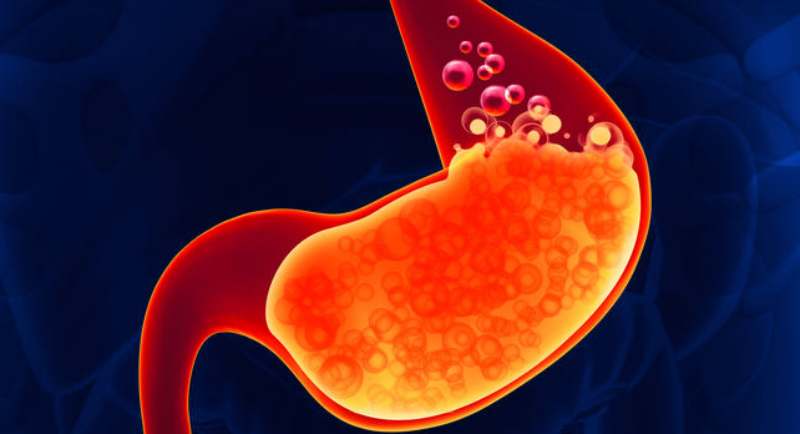
Acid reflux, also known as gastroesophageal reflux disease (GERD), is a condition that affects millions of people worldwide. This unpleasant condition is characterized by acidic stomach contents regularly rising back into the esophagus, which causes a range of symptoms and can lead to serious health problems. If you have experienced this issue, you surely know how uncomfortable it can be.
Main symptoms of acid reflux
-
Stomach acidity and heartburn
Symptoms of acid reflux often include a burning sensation in the chest that can spread to the throat and cause a bitter taste in the mouth. This burning feeling is known as heartburn and is one of the most common symptoms of this condition. -
Difficulty swallowing
Acid reflux can cause inflammation and irritation of the esophagus, which can lead to difficulty swallowing and the sensation that food is stuck in the throat. -
Chest pain
Many people with acid reflux experience chest pain, especially in the lower chest, which can be mistaken for pain caused by heart problems. -
Sore throat and hoarseness
Acid that reaches the throat can cause a sore throat and hoarseness, which can be very uncomfortable and bothersome. -
Feeling of a lump in the throat
Some people experience a sensation of a lump in the throat, which can be caused by irritation of the esophagus and pharynx by acid. -
Dry cough
Acid reflux can irritate the airways, which can lead to a dry cough that does not improve with cough medicines. -
Regurgitation of bitter particles or acidic fluid
Regurgitation, that is the return of acidic stomach contents into the mouth, is another common symptom. It can involve bitter food particles or acidic fluid.
Factors affecting acid reflux
If you are experiencing any of these symptoms, it is important to consider possible factors that may be contributing to your condition:
-
Smoking
Smoking is known as an unhealthy habit that can contribute to heartburn. Nicotine relaxes the lower esophageal sphincter, which allows acidic stomach contents to more easily rise back into the esophagus. In addition, smoking reduces saliva production, which normally helps neutralize acid. -
Medications
Some medications, such as ibuprofen and other nonsteroidal anti-inflammatory drugs, blood pressure medications, bronchodilators, and antibiotics, can increase the risk of acid reflux. These drugs can irritate the esophageal lining or affect the function of the esophageal sphincter. -
Fish oil
Fish oil is a commonly used dietary supplement to support health, but it can trigger acid reflux in some people. If this problem occurs for you, consider switching to omega-3 fatty acids from natural sources. -
Stress
Although stress does not increase stomach acid production, it can make your body more sensitive to the symptoms of heartburn. Stress can affect pain perception and increase the sensation of burning in the esophagus.
Conclusion
If you develop symptoms of acid reflux, it is important to consider these factors and seek medical help if the symptoms persist. Early diagnosis and lifestyle changes can significantly improve your quality of life and help relieve uncomfortable symptoms.


