

Article content
Sugar and white flour are basically poisonous, palm oil is harmful to the body, and potatoes or starchy foods simply have no place in our diet! Almost every day we encounter some similar information that we hadn’t heard before, but as soon as it reaches us, we start following it. After all, not even a leaf moves without wind, and it probably comes from some qualified scientist, specialist, nutritionist, or fitness coach. But have you ever thought about whether each of these pieces of information is actually true?
Fruit and sweets? Only occasionally!

Experts on healthy eating definitely disagree with this claim. According to them, we can easily enjoy fruit both for breakfast and during the day instead of dessert. Not only will it curb your sweet craving, but it will also replenish your supply of vitamins and antioxidants. However, sweets are a bit different – allow yourself them only in the morning and avoid consuming sugar in the afternoon hours.
There is less caffeine in a latte than in an espresso

If you’re tired in the morning, you’ll probably go to a nearby café and have a cup of strong espresso. After all, that’s the brew that contains the most caffeine. But is that really so? We may disappoint you, but the delicious taste of cappuccino or latte does not reduce the caffeine content. So if a strong espresso makes your face twist, feel free to enjoy its milder alternative without fear that it won’t energize you.
Dark bread is healthier than white
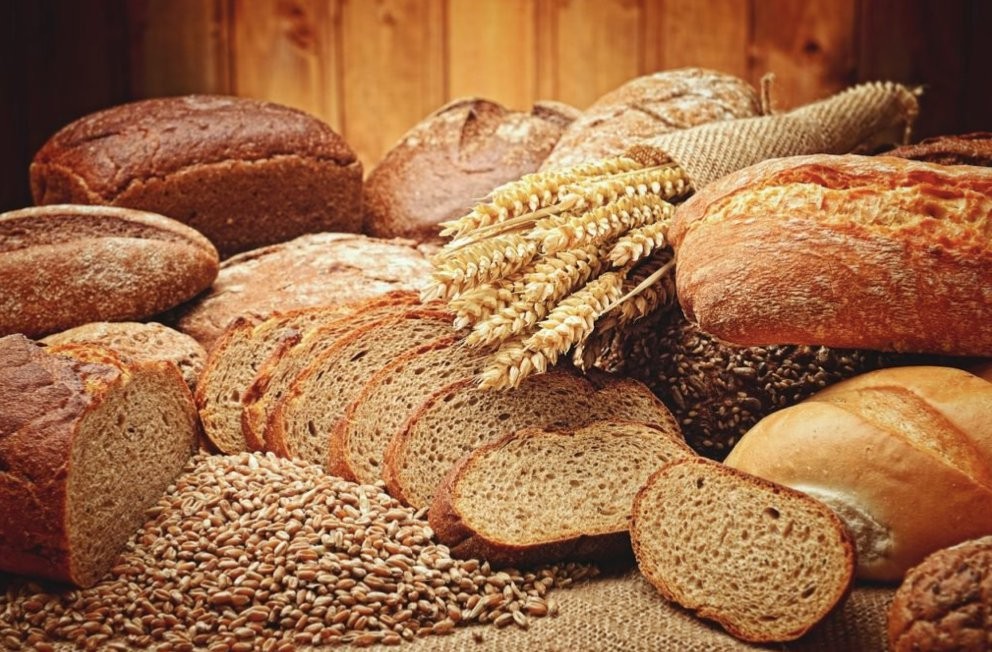
Maybe you also belong to the group of people who believe that white bread is a silent killer and is taboo for those who want to lose weight! Well, we may please you or disappoint you, but the caloric content of black and white loaves of bread is almost the same – the main difference is the flour. The dark flour contains much more fiber, and therefore it is more beneficial to the body because it supplies needed fiber and speeds up the metabolism.
Granola – the best snack
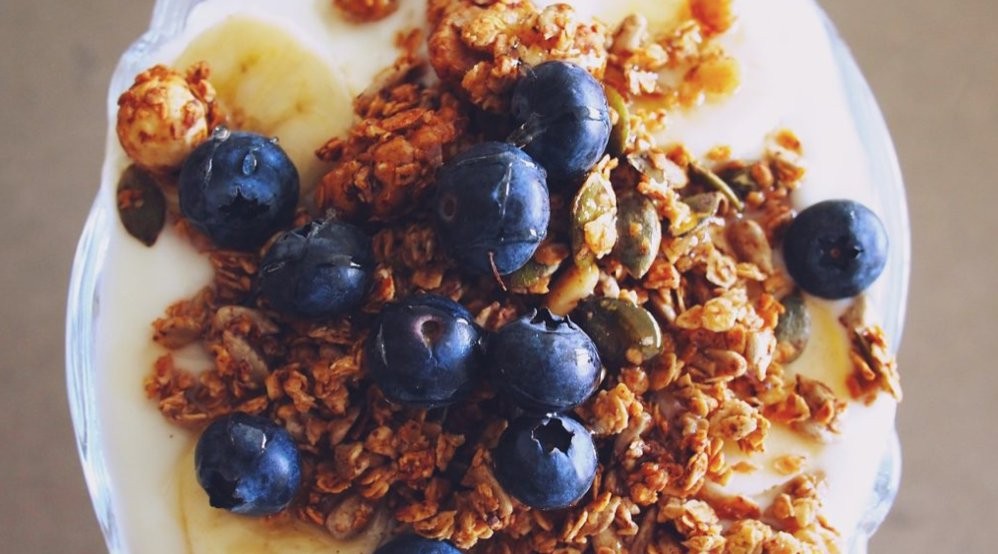
The popular American food quickly won the sympathies of the whole world and the need to include it in a healthy diet has surely reached you as well. Its composition and taste look very tempting, but manufacturers, in an effort to reduce its caloric value, often add artificial sweeteners that have the completely opposite effect of what we would expect. They cause increased appetite and therefore we consume more than we would like.
Olive oil is better than sunflower oil because it speeds up metabolism

Nutrition experts agree on one thing – all types of vegetable oils are useful, but in limited amounts. Our body should therefore not take more than 30 grams per day. Each of them contains unsaturated fatty acids that help us with cholesterol levels by increasing its metabolism and thus contribute to the prevention of cardiovascular diseases.
White sugar? No thanks, I’ll take cane sugar!
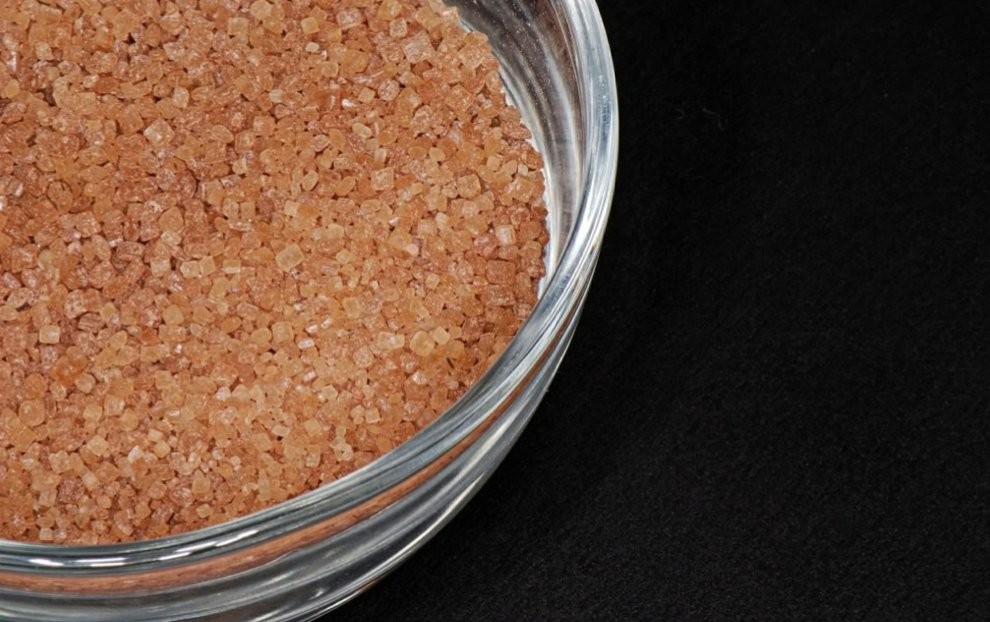
You’ve certainly encountered the situation when you went out for coffee with friends and were given two types of sugar – classic white and brown cane. If you’re watching your figure, you probably reached for the latter. But are you sure it made sense? Cane sugar has a number of useful micro-nutrients, but their amounts are negligible. None of us is going to eat 2 kg a day to get the required daily dose of potassium. The main advantage of this type of sugar is that it can be consumed in an unrefined form. However, its use is debated among dietitians because it contains 97% sucrose and its caloric value is almost 387 kcal per 100 g.
If you want to be slim, give up potatoes

Well, this claim can be viewed from several angles. Potato tubers contain healthful and body-beneficial substances such as potassium, magnesium, and iron. The only thing you need to consider is the method of preparation. While the caloric value of 100 grams of baked potatoes is approximately 80 kcal, french fries of the same weight contain about 317 kcal. And when you add sauce or dressing, the caloric value increases enormously fast!
Palm oil is harmful!

The reputation of this tropical oil was damaged mainly by its high content of palmitic acid, which raises the level of so-called bad cholesterol. However, it also contains oleic acid, which neutralizes the possible negative effects of palmitic acid, and therefore in the end does not impose a great burden on the organism. Moreover, it contains a high proportion of carotenes and is a source of unsaturated fatty acids. The main problem is that some dishonest manufacturers add their cheaper alternatives to products instead of quality but more expensive ingredients.
Did you find a myth in the list that you have blindly followed until now?
Have you heard of any other myths about healthy eating whose truth you doubt or have even confirmed to be false? Share the most interesting ones with us.


