
Article content
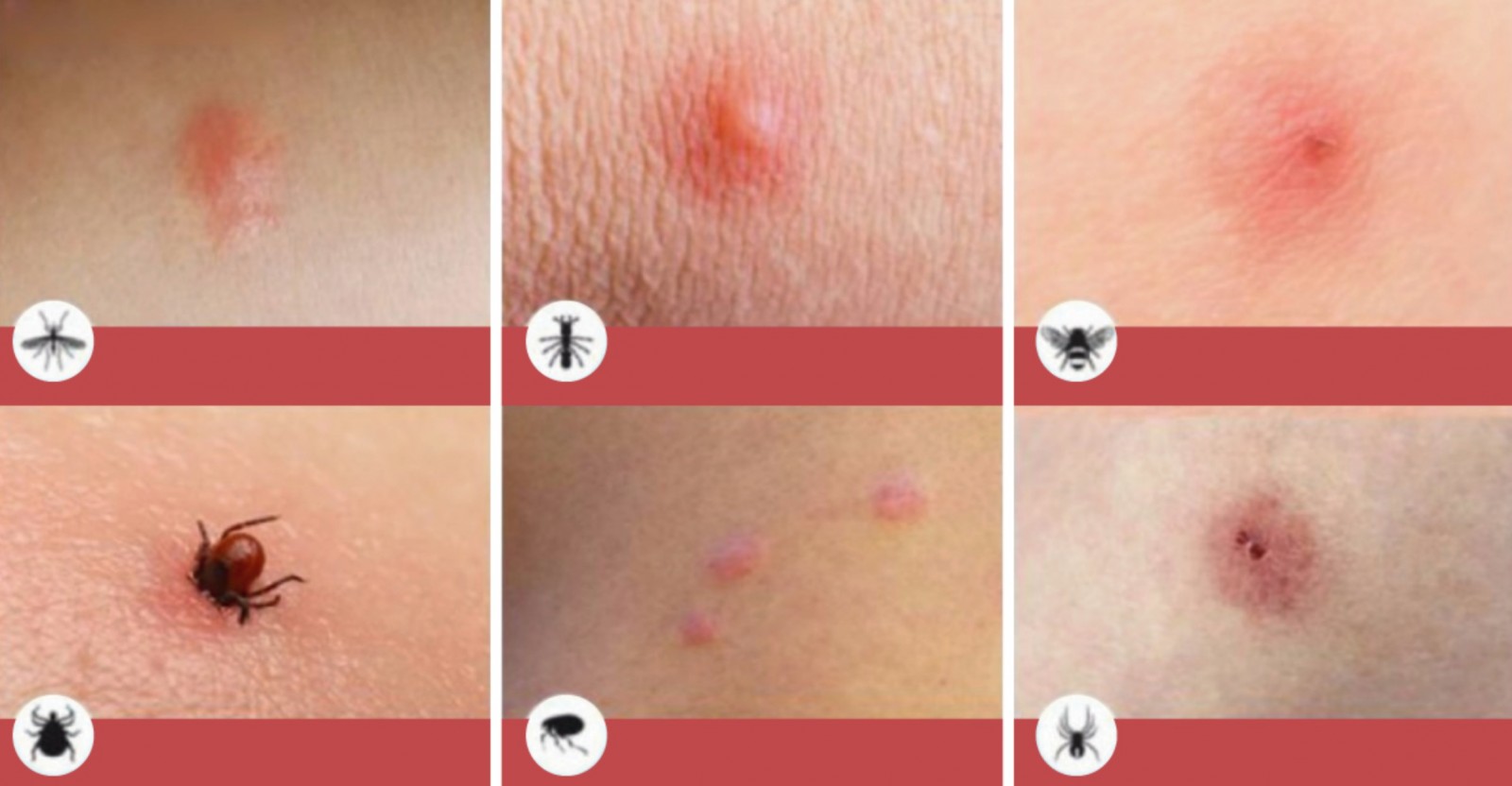
In summer we are more prone to insect bites. We often cannot precisely determine what bit us, and most people think it was just a mosquito. However, it is important to distinguish one bite from another, as each has a different appearance and different treatment works for each.
Mosquitoes
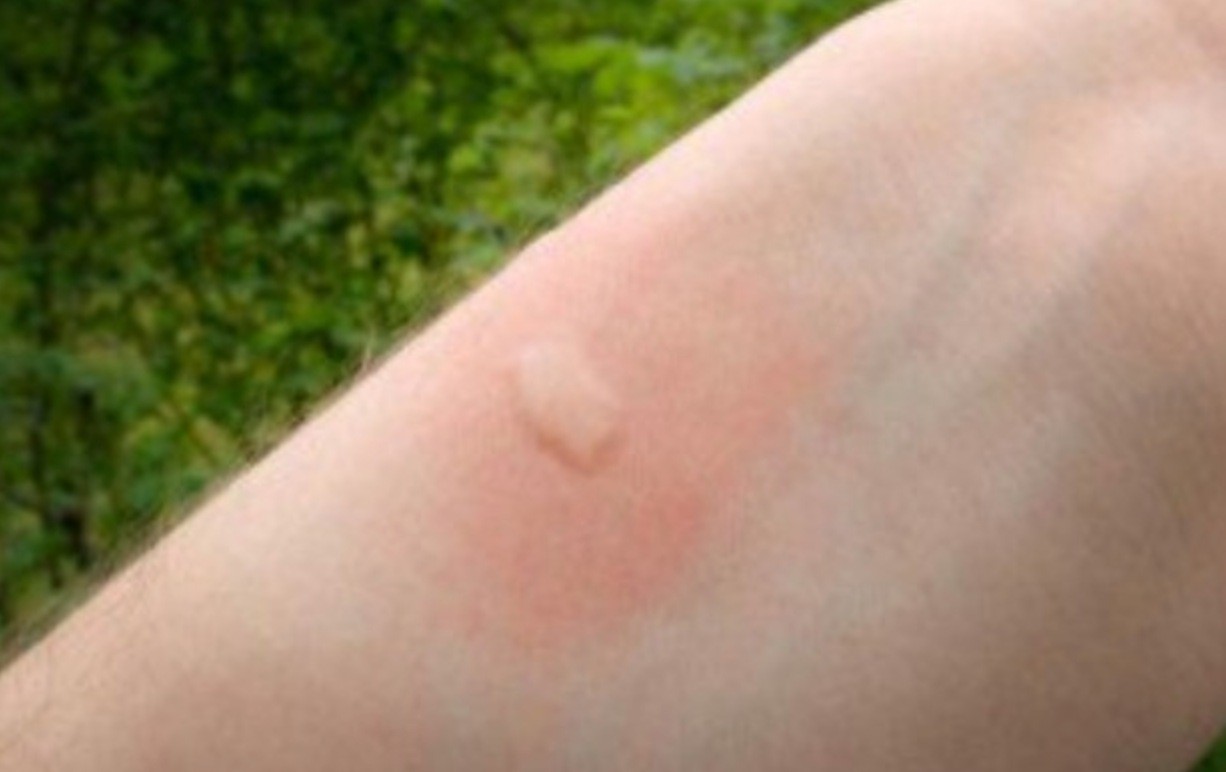
Mosquito bites are quite common. They are small, itchy, and can really make life unpleasant. If you are not allergic, the unpleasant symptoms will subside within a few days. The hardest part, however, is not to scratch the area after being bitten. Simply apply a cream that is available at any pharmacy. However, if you have a fever, swelling, or an enlarged lump, see a doctor immediately. These symptoms are signs of an allergic reaction.
Fleas
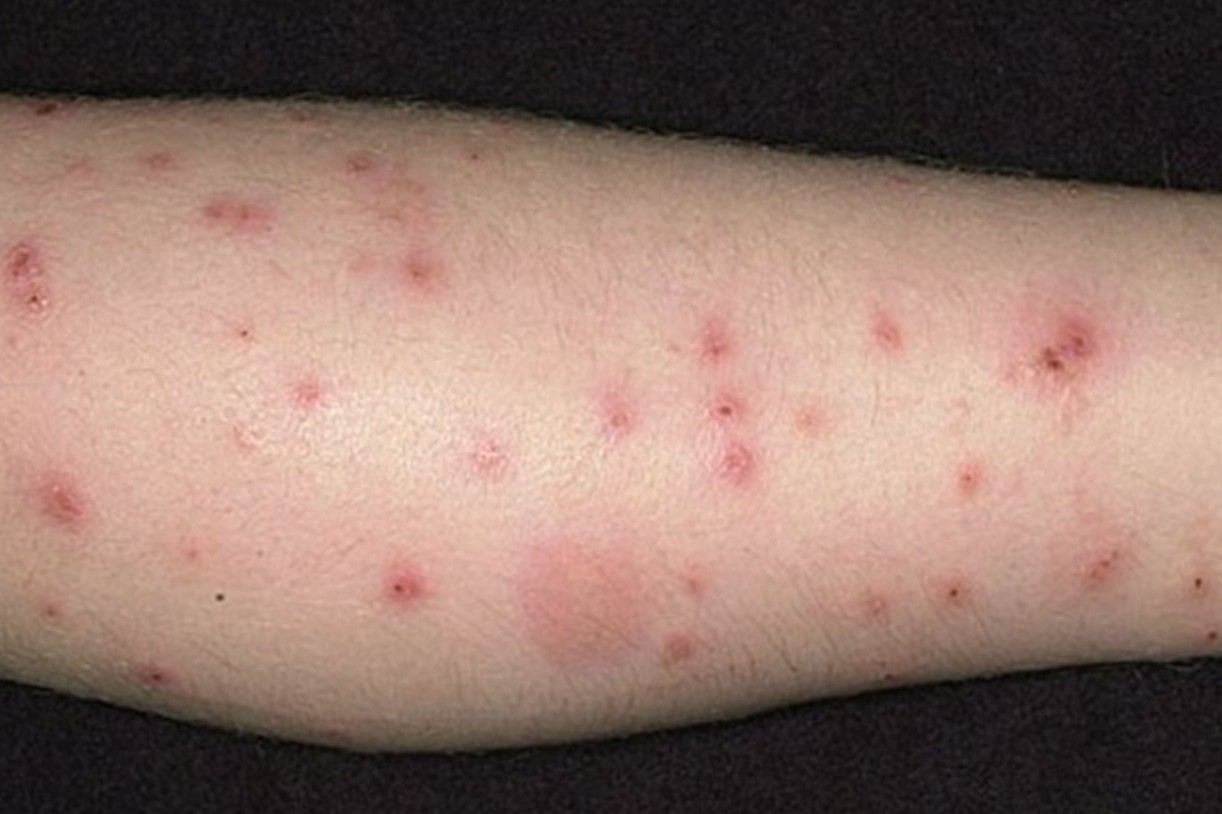
Fleas can appear in homes even if you don’t have a pet. It’s enough to visit an area where there are many of them. The bites are usually more numerous and smaller. Small red spots and intense itching appear on the skin. After a flea bite, wash the wounds with hydrogen peroxide, take a bath, and launder your clothing at a high temperature.
Bedbugs
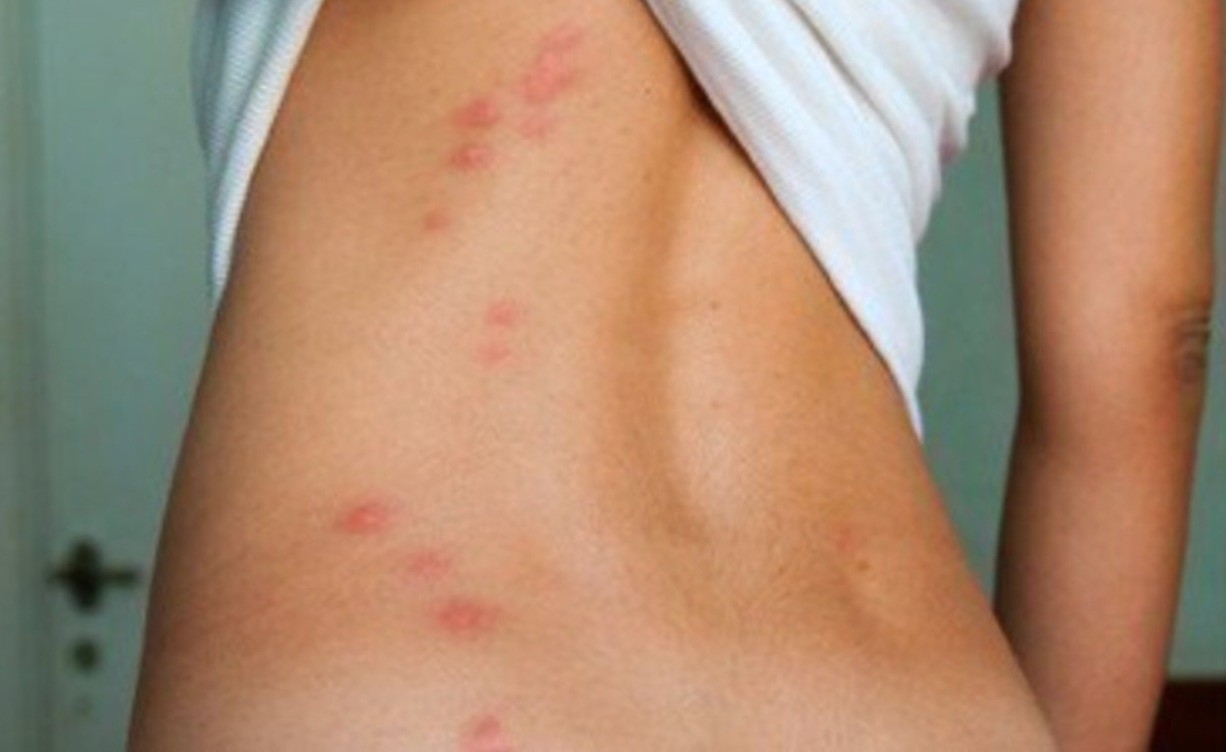
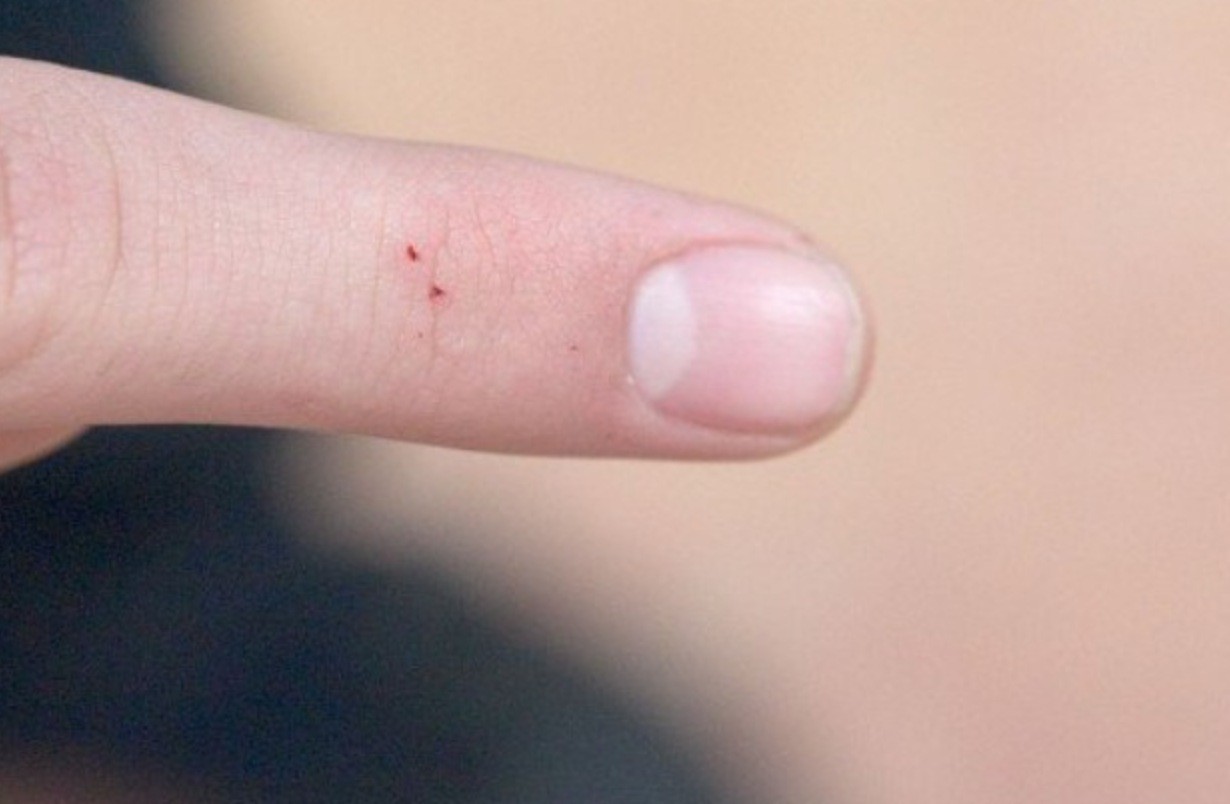
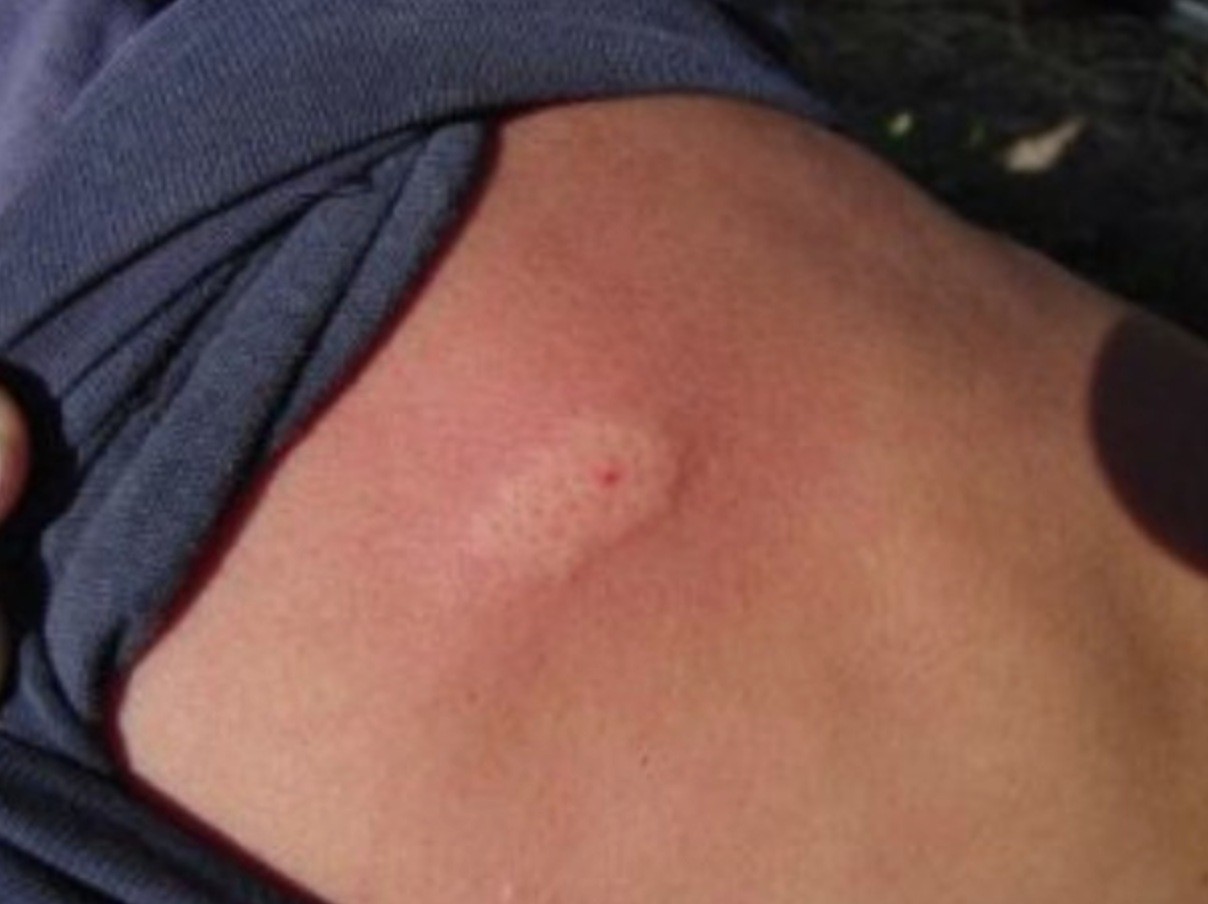
Most of us don’t even notice them, but we don’t sleep at night because of them. If more than 4 bites appear on the skin (in hairless areas), consult a specialist who already knows how to treat bedbugs. The reaction to a bite really depends on us and our genes. In some people, the bite isn’t even visible. In most cases, however, they look like in the picture below:
Spiders
A spider bite is probably the largest and the skin is irritated and reddened for about 5-10 days. Some bites are painful, others not at all. If you notice these spots, you can be sure it’s a spider bite. Wash the bitten area with water and soap and apply a cold compress. If the swelling increases and the area feels hot, seek medical help immediately.
Ticks
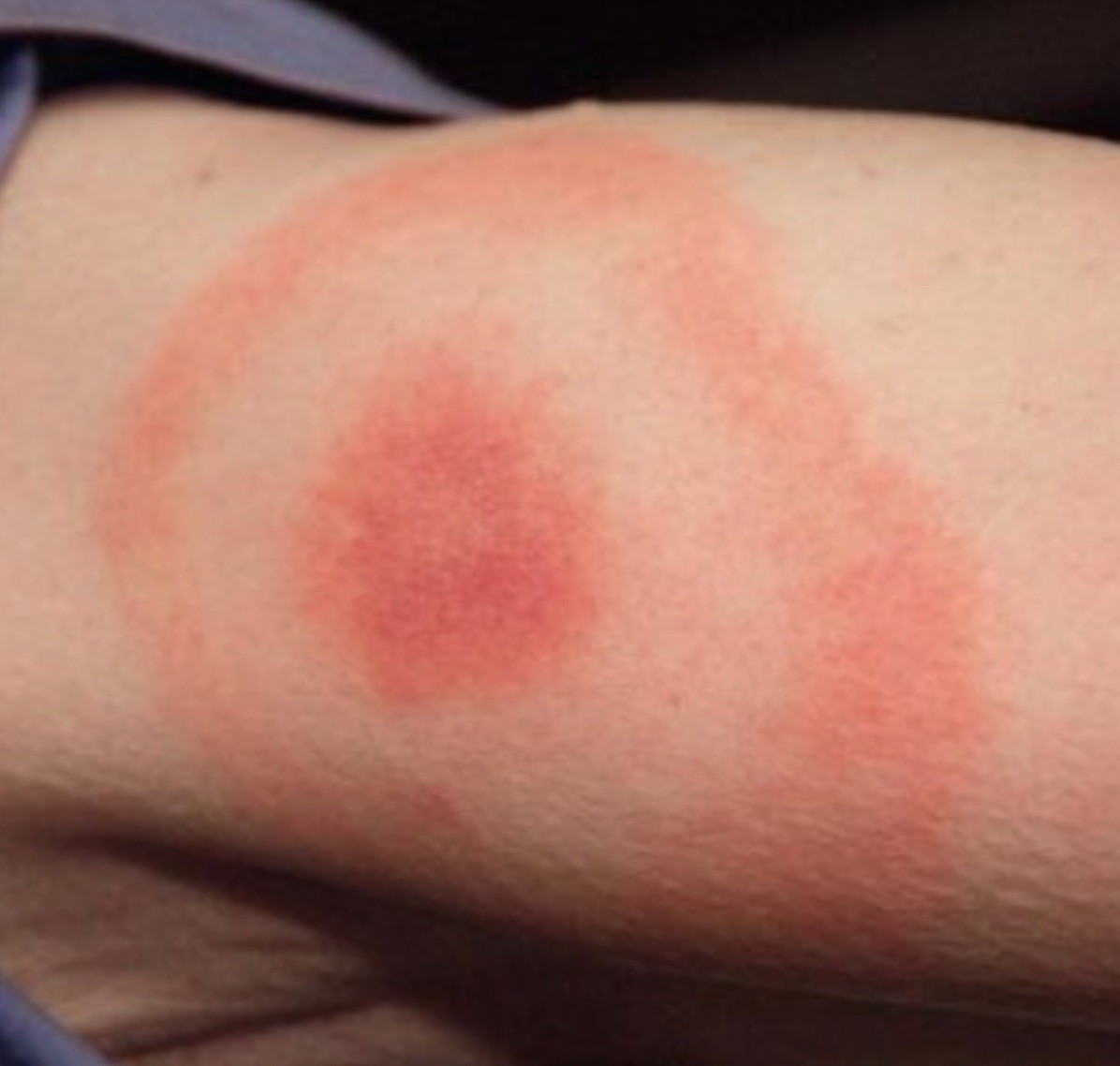
Ticks are probably among the greatest concerns and occur from spring to autumn. The most suitable protection is long sleeves, trousers, and don’t forget a head covering. Ticks can “wander” over the whole body looking for an ideal spot. Therefore, after every walk, thoroughly check whether there are any uninvited guests on your body to avoid being bitten and sucked. Unfortunately, ticks are dangerous at all developmental stages. The situation is complicated by the fact that they are small and hard to identify. You should monitor the spot for several days after a bite. If redness appears, it may indicate Lyme disease. If fever and fatigue occur, seek medical attention immediately.
Ants
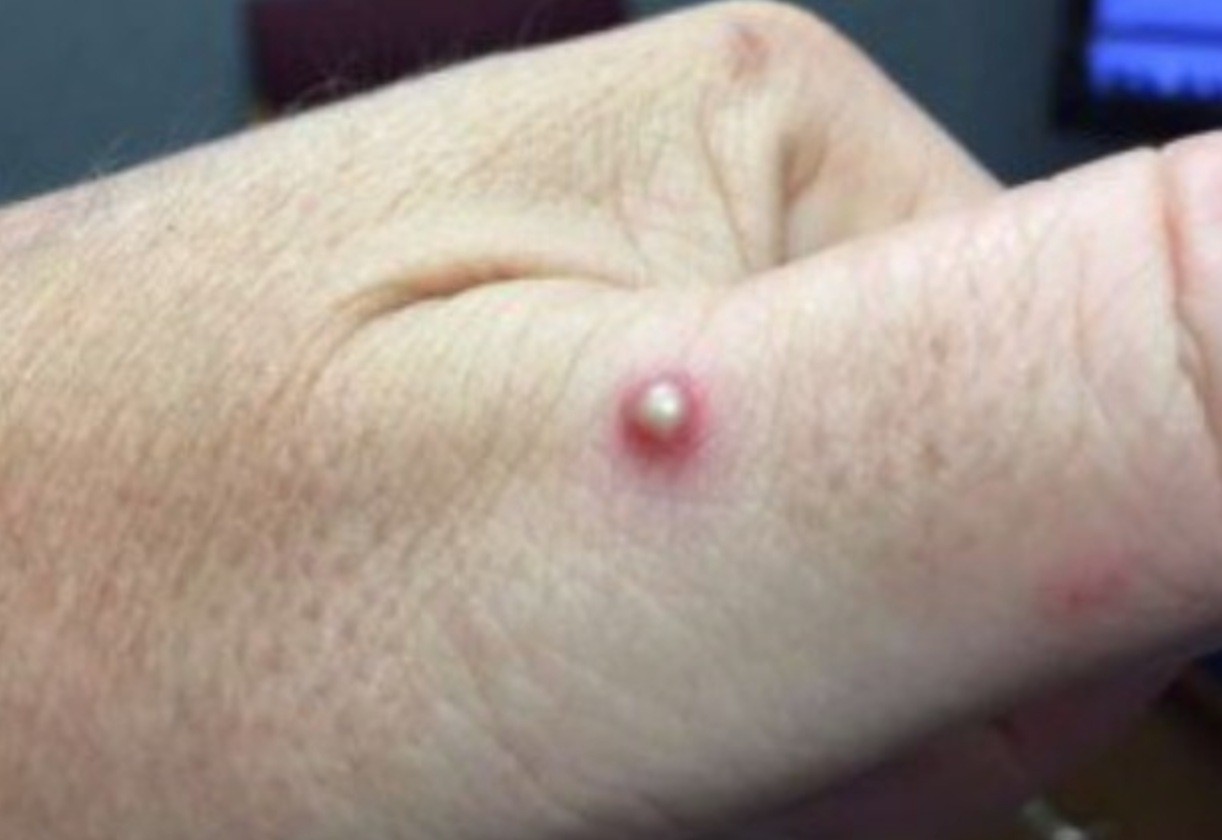
After an ant bite, a small blister usually appears on the skin. In most cases excessive itching and burning occur. In allergic patients the symptoms subside within a few minutes. The blister turns into a small crust that disappears in about 3 days. Cold compresses can minimize itching, and sometimes steroid creams help. In rare cases fever, low blood pressure, or headache may occur. In that case, seek professional help.
Stinging insects (wasps, bees…)
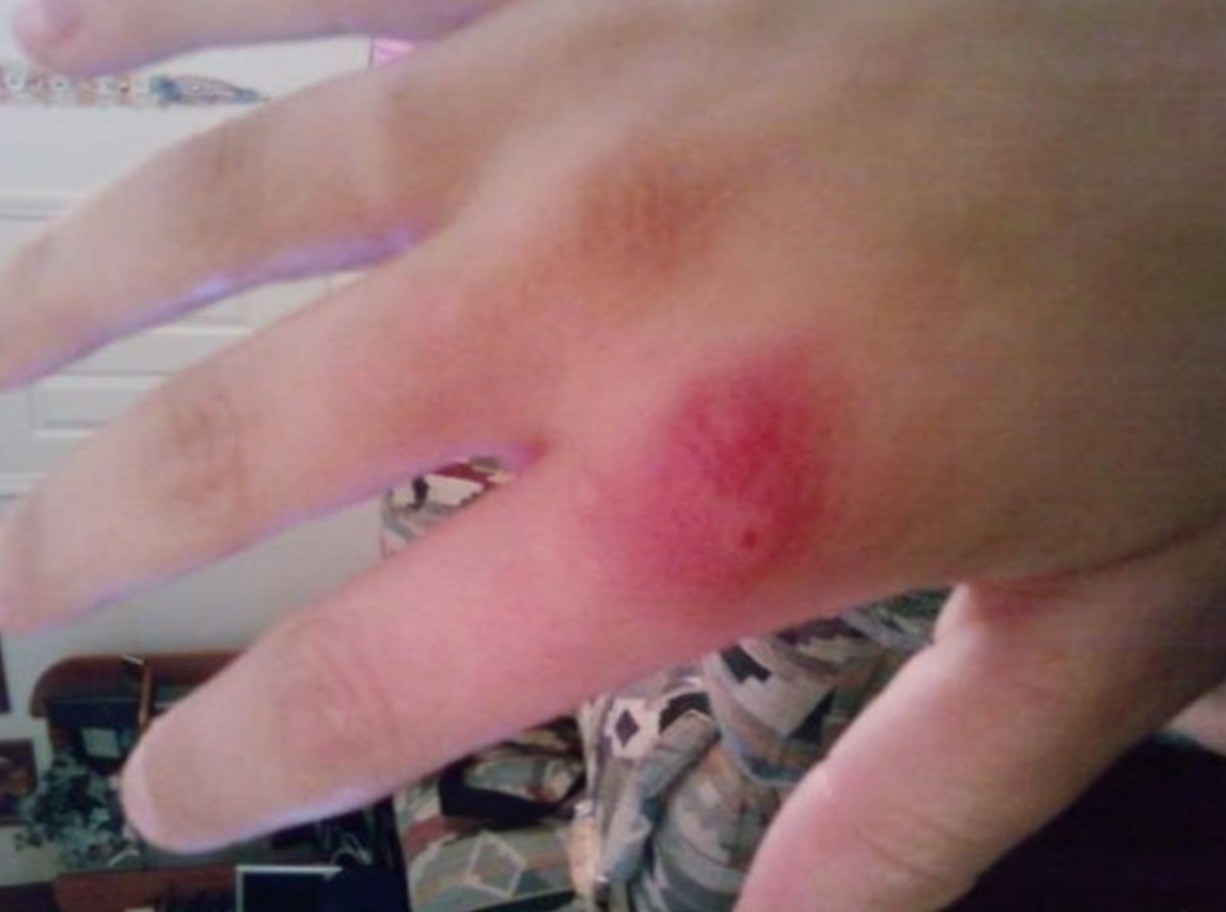
Contact with these insects is usually painful. The most dangerous is an allergic reaction or anaphylactic shock. After a sting, make sure that no stinger remains in the skin. Another important step is to ensure you are not having an allergic reaction. Various symptoms sometimes occur. According to Mueller’s classification there are 4 stages: I. stage – itching, redness, restlessness or anxiety II. stage – swelling, chest itching, vomiting, diarrhea, dizziness III. stage – shortness of breath, wheezing, weakness, confusion or a feeling of impending doom (death) IV. stage – drop in blood pressure, collapse, loss of consciousness, incontinence, cyanosis (bluish discoloration of the skin).
Scorpions
This point may seem strange to you. Although scorpions do not occur in our area, unfortunately you may encounter them during your exotic vacation. You don’t have to go far to see scorpions – you can see them in Italy, southern Austria or Switzerland. Most species found in Europe are not particularly dangerous to humans. However, people who are allergic to scorpion stings are at risk. These stings are rare, but it is important to know what to do if they occur. First disinfect the affected area with soap and then rinse with water. Then elevate the bitten limb and apply a cold compress. Also take a painkiller, which should stop the pain within 30 minutes. If you develop other unpleasant symptoms or if your child was stung by a scorpion, seek medical assistance immediately. Share this useful information with family and friends on Facebook. Everyone should know how to recognize a sting in time to avoid problems.
Source: woman.tiscali.cz


