Article content
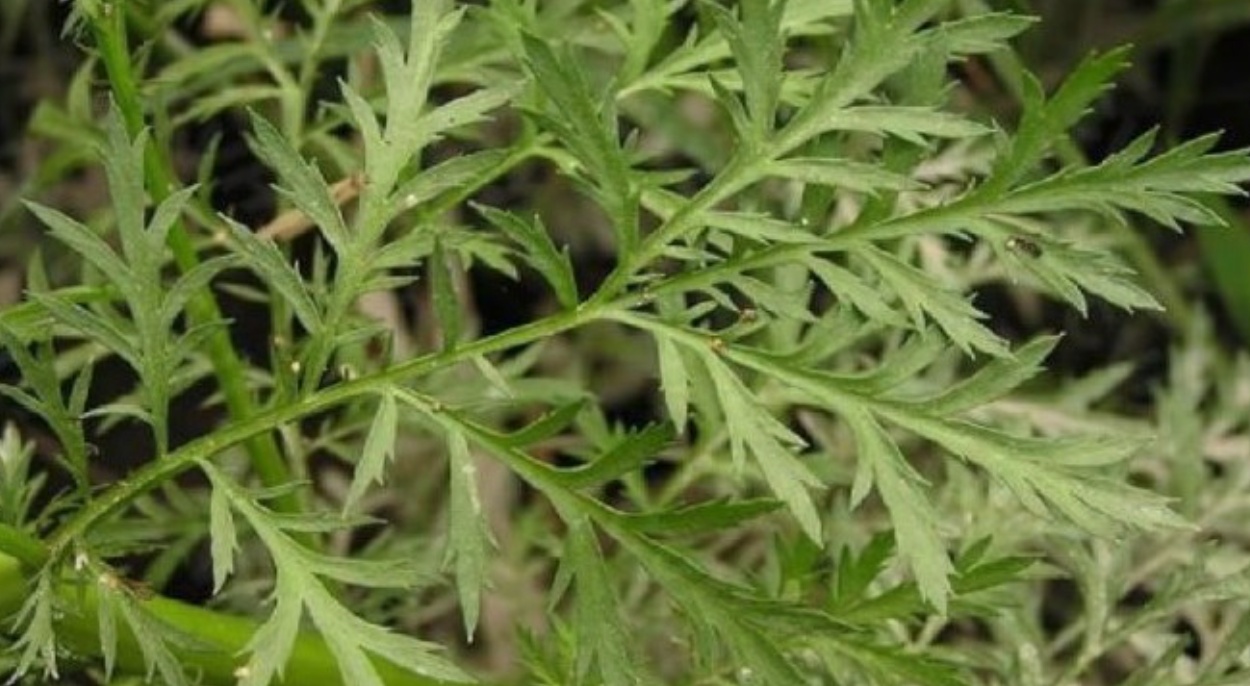
Science and traditional medicine are increasingly meeting at points where natural substances find application in modern research as well. One example is sweet wormwood (Artemisia annua), known in Chinese medicine primarily as a remedy against malaria. Research in recent years, however, suggests that one of the plant’s active compounds – artemisinin – could in the future play an important role in cancer research as well.
What is artemisinin and why has it caught scientists’ attention?
Artemisinin is a natural compound obtained from the leaves of sweet wormwood. It is best known for its use in the treatment of malaria, for which a Nobel Prize in Physiology or Medicine was awarded in 2015. Scientists have, however, also become interested in its possible selective effect on cancer cells, especially when combined with iron.
Studies and research
According to some laboratory studies published in scientific journals (e.g. Life Sciences), artemisinin in combination with iron showed a strong cytotoxic effect on breast cancer cells – reportedly up to 98% of cells affected by this combination did not survive more than 16 hours. At the same time, it was noted that healthy cells largely remained undamaged.
This effect is related to the fact that cancer cells contain higher concentrations of iron and specific receptors, allowing artemisinin to bind to them selectively. The result was the triggering of so-called apoptosis, that is, programmed cell death.
Experiences from traditional medicine
In traditional Chinese medicine, sweet wormwood has been used for centuries, primarily to treat fevers and infectious diseases. It is only modern science that is beginning to uncover the precise mechanisms of its action and the potential for further uses.
Future? Possibly promising, but still in the hands of research
It is important to emphasize that although the current research results are promising, they are still preclinical or laboratory studies. There is not yet an officially approved oncological treatment that uses artemisinin as a standard therapy. Development, however, continues – for example, the French pharmaceutical company Sanofi is already working on the mass production of artemisinin so that it is available for broader scientific and pharmaceutical use.
In conclusion
Natural substances such as artemisinin from sweet wormwood represent an interesting area of current scientific inquiry. Their effects, known from traditional medicine, are now finding their way into modern research. Although no herb can be considered a ‘miracle cure,’ the combination of nature and science could in the future bring new possibilities where they are most needed.