
Article content
For decades we have been led to believe that heart and vascular health is solely a matter of drugs, primarily statins to lower cholesterol. However, an increasing number of scientific studies show that the real basis for prevention of cardiovascular disease lies in the everyday diet – specifically in certain types of fruit.
One of the best-researched and at the same time most effective natural agents for protecting blood vessels is pomegranate. A fruit that was valued in antiquity, it today again confirms its importance in modern medicine.
„The future of heart disease prevention will not be found in the medicine cabinet, but in the kitchen and the garden.“
Pomegranate and its effect on arterial clogging
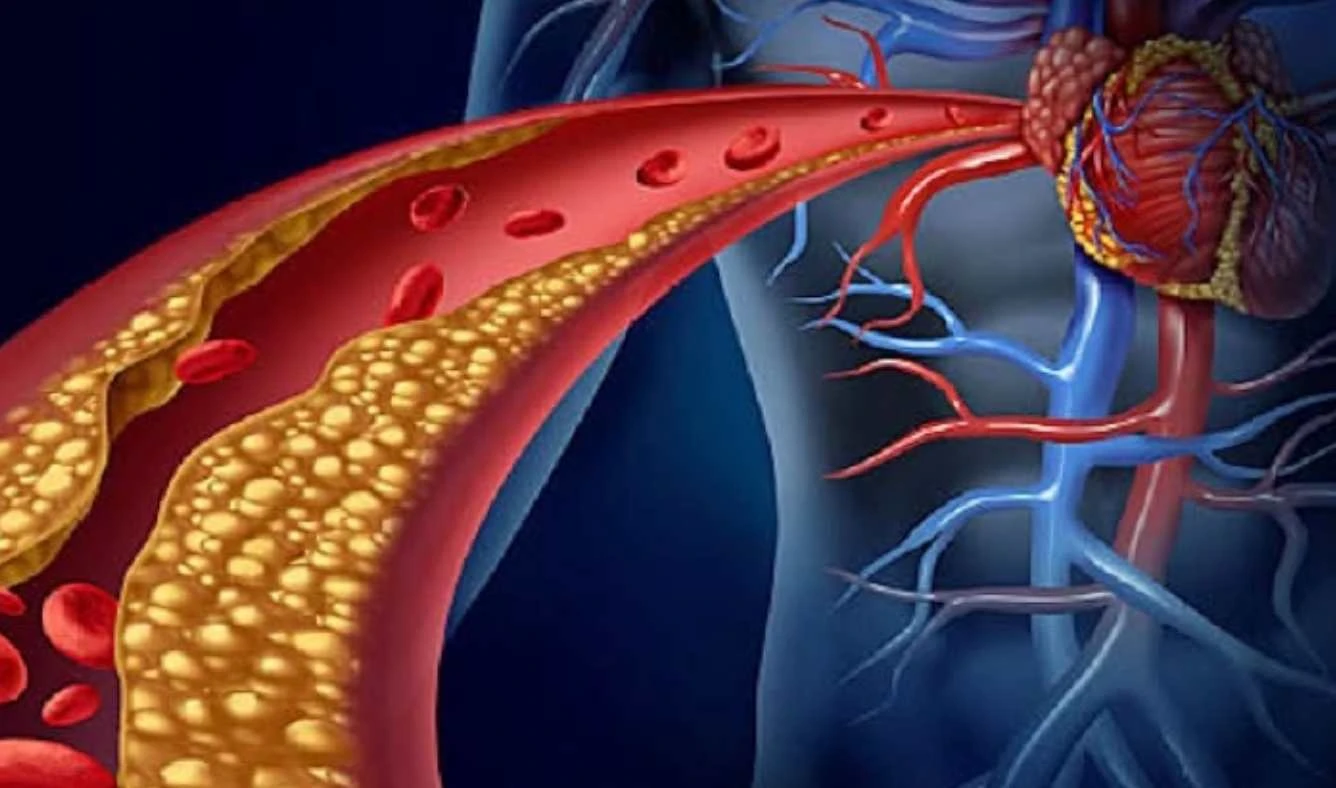
A significant study published in the journal Atherosclerosis confirmed that pomegranate extract can not only slow but in some cases partially reverse the process of atherosclerosis – that is, the clogging of arteries by fatty and inflammatory deposits.
Atherosclerosis is the main cause of:
- myocardial infarction
- stroke
- ischemic heart disease
- high blood pressure
In the study, laboratory mice predisposed to clogging of the coronary arteries were given pomegranate extract for two months. Although some forms of cholesterol increased in them, the extent of fatty deposits in the arteries was significantly reduced.
What effects the researchers observed
- reduction of oxidative stress
- decrease in inflammatory proteins in the vessels
- reduction of fat deposition in the heart muscle
- reduced infiltration of inflammatory cells
- less thickening of the heart muscle
- improvement in ECG findings
The results show that pomegranate does not act only on cholesterol but comprehensively protects the entire cardiovascular system.
Why pomegranate works so effectively
The human organism evolved in an environment where regular access to fresh fruit was a given. Some of the body’s protective mechanisms are therefore literally dependent on these substances.
The well-known scientist Linus Pauling pointed out that a lack of vitamin C and antioxidants is one of the main factors in cardiovascular disease. Pomegranate is exceptionally rich in these substances.
Does regular consumption have the same effect?
Yes. A three-year clinical study published in the journal Clinical Nutrition followed a group of people who drank pomegranate juice daily.
- narrowing of the carotid artery decreased by up to 29%
- in the control group, artery clogging increased by 9%
The real protective effect of pomegranate was therefore even more pronounced than originally expected.

Other health benefits of pomegranate
Anti-inflammatory effects
Chronic inflammation is one of the main triggers of cardiovascular disease. Pomegranate helps to suppress this inflammation.
Lowering blood pressure
It supports the production of nitric oxide and affects enzymes that regulate blood pressure.
Antibacterial and antiviral action
Clogged vessels are often associated with hidden infections. Pomegranate exhibits broad antimicrobial effects.
Strong antioxidant effect
Oxidized LDL cholesterol is a major culprit in vessel damage. Pomegranate significantly reduces oxidative stress and protects lipids in the blood.
How to include pomegranate in your diet
- fresh pomegranate seeds
- 100% juice with no added sugar
- regular consumption, ideally daily
- combination with healthy fats (e.g. olive oil, nuts)
Conclusion
Pomegranate is among the most scientifically supported foods for vascular and heart health. It does not act only on cholesterol, but addresses the real causes of arterial clogging – inflammation, oxidation and damage to the vessel wall.
Regular consumption of this fruit can be a simple, accessible and natural step toward preventing heart attack and other cardiovascular diseases.