
Article content
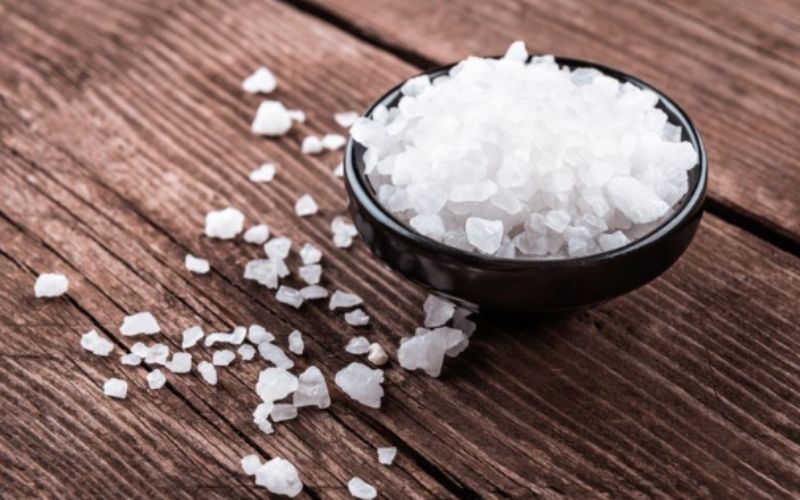
Excessive salt consumption can lead to various health problems. The recommended sodium intake is approximately 2300 milligrams per day, but many people exceed this value up to 3400 milligrams (about 1 and a quarter teaspoons). This excessive salt consumption can be harmful to the body. Here are 6 signs that can help you recognize whether your body is suffering from an excess of salt.
1. Swelling (edema)
Swelling occurs when the body retains more water as a result of excessive salt consumption. This manifests, for example, as puffiness in the lower limbs and eyelids. Edema can be treated by reducing salt intake.
2. Excessive thirst
Excessive thirst is another symptom of high salt intake. Sodium regulates fluid levels in the body, and if there is too much of it, the body demands more water to try to flush the system.
3. Change in urine color
Consuming large amounts of salt can also affect the color of urine. If urine is very yellow, it may mean that the body does not have enough fluids, while clear urine may indicate that the liver is working intensively to eliminate excess salt.
4. Bone pain
Excessive salt consumption can affect the kidneys and lead to a faster loss of calcium, which causes pain in the bones and teeth. A lack of calcium can weaken the bones.
5. Frequent muscle cramps
An imbalance between sodium and potassium can lead to muscle cramps, which are a common consequence of excessive intake of salty foods.
6. Persistent headache
Too much sodium increases blood volume, which can lead to headaches. It is important to monitor your salt intake to avoid these problems.
How to reduce salt intake?
It is key to monitor the amount of salt you consume daily. Limit salty foods such as bread, rolls, dried meats, pizza and packet soups. There are many alternatives to season food without using salt, so don’t hesitate to try new spices and herbs.
Taking care of your health starts with your diet. Pay attention to what you eat, and enjoy a healthy lifestyle!


