Article content
And here it is! The pollen season is in full swing. If you follow pollen forecasts, you may already be looking forward to winter again, when allergen levels are zero. To relieve relentless sneezing, a blocked nose and irritated mucous membranes, try some natural antihistamines that will reliably help you.
Antihistamines
When you hear the word antihistamines, what comes to mind first? Certainly, it will be allergy and its unpleasant symptoms, which only these drugs can help with. That’s understandable, because such an allergy can be very debilitating. As the name itself suggests, these are medicines that can inhibit histamine in our body. The chemical histamine is one of the main causes of symptoms associated with allergy. All of the above-mentioned allergy symptoms occur when you are in contact with an allergen. What are the other symptoms?
- Runny nose
- Itchy skin
- Hives, atopic eczema
- Swollen airways
- Itching, redness and watering of the eyes
Instead of looking for a solution at the pharmacy, try instead to look in the natural pharmacy, which offers many solutions and options. We’d like to introduce some of them to you.
Nettle
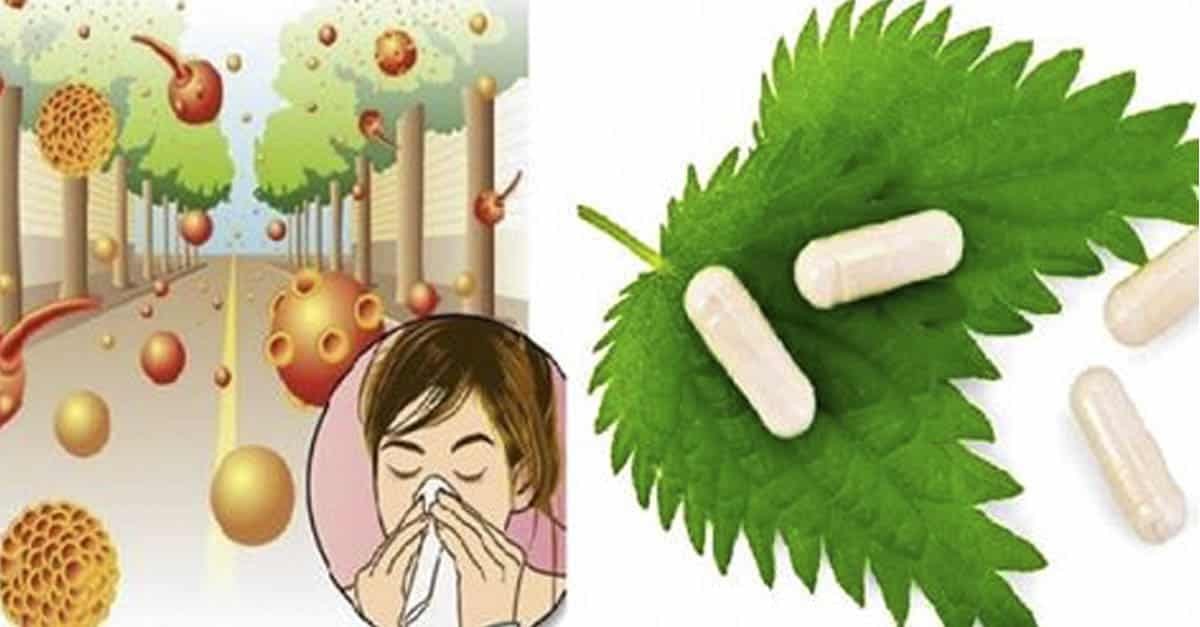
Nettle is certainly a unique plant. And the best part is that you don’t have to buy it; you can pick it in nature. Right now the nettle is at its strongest. It is also perfect as a natural antihistamine. Studies have been conducted on nettle and allergies. The final finding of the study was: 58 % of participants experienced relief and 69 % of people felt better than with placebo treatment. They took 300 milligrams of nettle daily, which is the recommended daily dose.
Bromelain
Where can you find bromelain? It is commonly found in pineapple. Such fruit is certainly very readily available, so enjoy it in larger amounts. You can also buy bromelain as a dietary supplement, but make sure it is purely natural. It is recommended to take 400 to 500 mg three times a day to reduce respiratory problems and inflammations associated with allergy.
Vitamin C
You might not have known it, but vitamin C is a perfect natural helper against allergy. It is present in a wide range of fruits and vegetables, so it won’t be a problem to increase your intake. You can find it in peppers, citrus fruits, kiwi, pineapple, berries and elsewhere.
Garden cress
If you can’t find cress in the store, simply grow it at home on the windowsill. Scientists have shown that this tasty herb can inhibit up to sixty percent of the histamines released from cells in the body.
Chamomile
The last herb is chamomile. Tea made from this herb is delicious and the best part is that even children can have it. Chamomile both soothes and destroys histamine, which helps control and prevent allergies. You can grow this herb at home or pick it along country paths. You will surely recognize chamomile by its yellow flowers and delightful scent.