
Article content
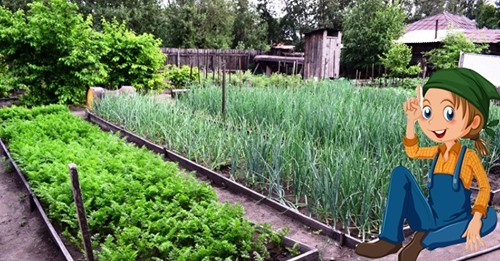
Are you a beginning gardener? We have a few interesting tips for you that will help you grow vegetables. For proper cultivation consider these advantages and disadvantages before you sow the garden or prepare it for planting.
Sunny and partially shaded areas
Prepare soil for tomatoes, peppers, cucumbers, peas, beans, corn and zucchini in a sunny spot where they will have room and be exposed to sunlight all day. Carrots, radishes, beets, parsley and other root vegetables need partial shade — at least the root vegetables should get sunlight in the afternoon. On the other hand spinach, chard, lettuce and cabbage mostly tolerate shade all day. The shade can be partial, but direct sun should not shine on these vegetables. It’s also necessary to plan plant placement so that tall plants do not shade smaller ones.
Provide space for comfortable growing
Your garden should have tanks or barrels for water. Or even better, install an irrigation system in the garden that is distributed to all parts of the garden where plants will appear. Plants, especially vegetables, need plenty of watering for fruiting and growth. Especially those that are in the sun all day. Therefore it would be ideal to install a permanent irrigation system. If you use barrels, casks or other large containers, it’s good to place them by the house under the gutters so rainwater will flow into them by itself.
Row spacing
It’s good to create paths in the bed that you will walk on so you don’t step on the plants. Try to keep these paths for the entire growing period. For this you can use stones, sand, sawdust—whatever you have on hand.
Companion planting
With this type of planting, keep in mind that plants should not be too close together or crowd each other. At the same time you can use combinations of flowers and vegetables next to each other. This will deter many pests such as slugs, ants and others. For example, the chrysanthemum is a universal flower for most vegetables and other plants. It acts as a natural insecticide.


