Article content
Winter puts the immune system through its paces. Shorter days, lack of sunlight, cold, stress and frequent viral infections cause us to feel tired, weakened and more prone to illness. It is precisely during this period that many people turn to natural remedies that can support the body gently and in the long term.
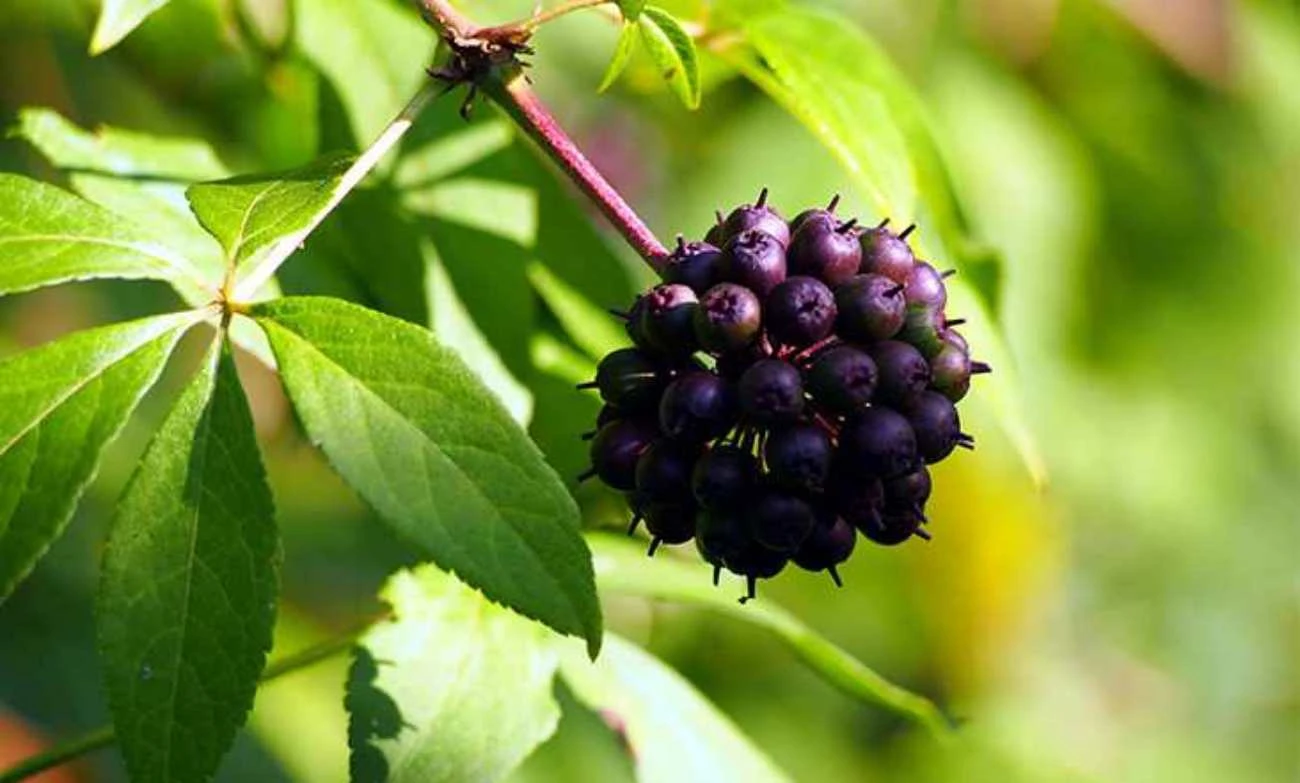
One of the herbs that has been gaining increasing attention in recent years is eleutherococcus senticosus, often referred to as Siberian ginseng. It is not a true ginseng, but a plant with very similar effects, especially when it comes to resistance to stress, immune support and overall vitality.
What eleutherococcus is and where it comes from
Eleutherococcus (Eleutherococcus senticosus) originates from regions of East Asia – Siberia, northern China, Korea and Japan. It has been used in traditional Chinese and Russian medicine for hundreds of years, particularly among people exposed to physical and mental strain.
In the past eleutherococcus was especially valued by:
- workers in extreme conditions
- soldiers and polar explorers
- athletes
- people with long-term exhaustion
Today eleutherococcus is classified among so‑called adaptogens – substances that help the body better adapt to stress and strain.
How eleutherococcus affects the body
Eleutherococcus does not act immediately like a stimulant, but harmonizes bodily processes gradually and over the long term. Its effects are gentle but stable.
Main effects of eleutherococcus include:
- supporting the immune system, especially in winter
- increasing the body’s resistance to stress
- alleviating fatigue and exhaustion
- supporting mental focus
- faster recovery after illness
- better resistance to cold and infections
Eleutherococcus as a winter immune booster
In winter the immune system faces increased strain. Eleutherococcus supports defenses primarily by stimulating the production of defensive cells, helping the body better cope with stress and supporting overall vitality.
Unlike fast immune stimulants, it does not overload the body, but works with it in a long-term and natural way.
How to take eleutherococcus correctly
Tincture
The most common and very effective form. It is usually taken as 20–30 drops once or twice daily, ideally in the morning or before noon.
Tea from eleutherococcus root
Suitable for those who prefer a milder form of use. One teaspoon of dried root is boiled for 10–15 minutes. The tea is drunk once a day.
Capsules or tablets
A standardized form with precise dosing, suitable for regular and long-term use.
Practical tips for winter use
- use eleutherococcus in courses of 4–8 weeks
- take a break after a course
- combine with plenty of sleep and exercise
- pairs well with vitamin C, zinc or rosehip
- do not use in the evening; it may be mildly stimulating
What to watch out for
Eleutherococcus is generally considered safe, yet there are situations where caution is needed.
Not recommended:
- in untreated high blood pressure
- during acute febrile illnesses
- in pregnancy and breastfeeding without consulting a specialist
Why give eleutherococcus a chance in winter
Winter isn’t just about fighting colds. It’s a time when the body needs balance, energy and mental resilience. Eleutherococcus does not act forcefully, but helps the body function more efficiently.
It is suitable for people who are often tired, work under pressure or want to strengthen their immunity naturally.
Conclusion
Eleutherococcus is an adaptogenic herb that offers comprehensive support for immunity, energy and psychological resilience, especially during the demanding winter period. With proper use it can be a valuable aid for anyone who wants to help their body cope with the cold months naturally.
It is not an instant miracle, but a long-term and meaningful support for the organism.