
Article content
The orchid is among the most popular houseplants, but at the same time it is considered a rather demanding flower to grow. Some growers, however, master tricks that allow an orchid to bloom even in winter. In this article we bring you proven tips on how to give your orchid the best care.
When does the orchid need repotting?
Unlike other plants the orchid does not need to be repotted every year. Usually once every 2–3 years is enough, when the substrate and environment need to be replaced. An exception is when the plant is visibly deteriorating – for example with root rot.
Why does it need a special substrate?
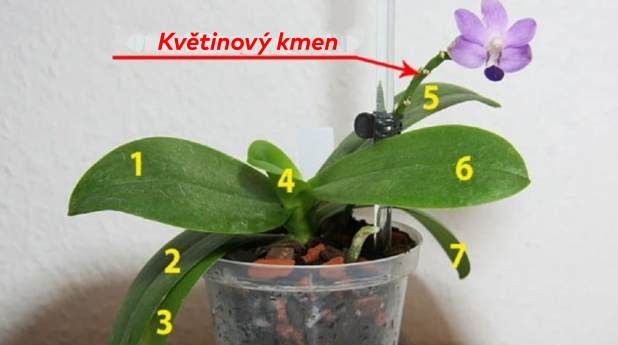
The phalaenopsis orchid is an epiphytic plant, which means that in nature it grows on tree trunks. It does not draw nutrients from soil, but from rainwater. That is why it has stronger roots that do not need regular soil and require a special airy substrate.
How to repot an orchid correctly?
- Prepare a bowl of warm water, a translucent flowerpot, new substrate mixes, sharp scissors and some foam.
- Soak the orchid, still in its pot, in the water for about 30 minutes.
- Carefully remove it, take out the old substrate and check the roots.
- Cut off dry or rotted roots and treat the wounds with crushed charcoal.
- Place foam and some substrate at the bottom of the pot, then seat the plant and fill in with substrate.
- After repotting do not water for 7–10 days, let the orchid rest.

How to make an orchid bloom again?
More experienced growers recommend the so-called shock therapy. Place a healthy orchid in darkness for several days and then return it to the light. This procedure can kickstart the formation of new buds. However, this method is risky for weaker plants.
Growers’ trick – sugar as a miracle for orchids
If an orchid is struggling, not blooming for a long time or has been damaged, you can try the proven sugar solution. Many growers claim it acts literally like „antibiotikum“.
How to prepare the sugar cure:
- Dissolve 1 teaspoon of sugar in 1 liter of water.
- Immerse the orchid in this solution for 8–9 hours (it can be the whole day).
- Then transfer it to standing lukewarm water for one hour.
- Finally, return the plant to its usual spot.
After just a few days improvement is usually visible – leaves are firmer, blooms lift up and the plant gradually strengthens.
What to do when the orchid stops flowering?
Don’t rush to cut off the stem. It’s important to first observe its condition:
- If the stem turns completely yellow and hardens – remove it entirely.
- If only the top dries out and the lower part remains green – trim only the dry portion.
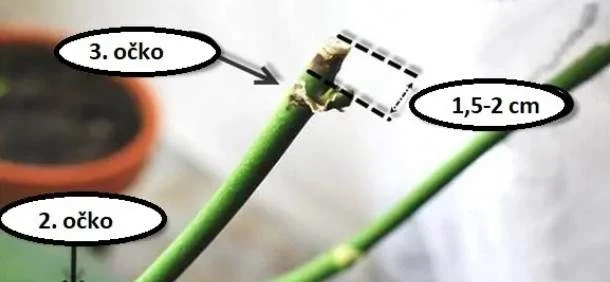
- If the stem stays green even after flowering – cut it about 1,5–2 cm above the third node.
Always treat cuts with black charcoal after trimming to prevent infections.
When to start waking the orchid?
After the resting period watch the roots. Silver roots indicate a dormant phase. Once they start to gain a green tint, the plant is waking up and you can begin regular watering and fertilizing.
Conclusion
The orchid requires care, patience and correct techniques. Regular repotting, monitoring stems and using tricks like the sugar cure will help keep your orchid healthy and in bloom. Thanks to these tips it can become an ornament of your home for many years.
This article is for informational purposes only and does not replace professional advice. If the plant has serious problems, consult an experienced grower.


