Article content
High blood pressure has become a serious medical problem today. Nearly every third adult suffers from it, yet only half of them have it under control.
Another third of people are at risk of developing high blood pressure. Their pressure is still within the normal range, but at its upper limit.
It is estimated that the societal economic losses caused by this disease climb into the hundreds of millions of euros each year in Slovakia alone. Worldwide, it is hundreds of billions.
These are mainly the costs associated with healthcare, medications, therapeutic treatments and missed workdays.
Worst of all, dozens of people die here every day from the consequences of high blood pressure.
Side effects of drugs for high blood pressure
The most common means of treating high blood pressure are pharmaceutical drugs.
These are mainly groups of drugs such as beta blockers, diuretics, angiotensin-converting enzyme inhibitors (ACE), angiotensin receptor blockers (ARB) or calcium channel blockers.
However, the mentioned drugs have many undesirable side effects. Their use leads to:
- depletion of potassium from the body (disruption of heart rhythm)
- increased blood sugar levels
- erection problems and decreased libido
- increased uric acid levels in the blood and subsequent gout and joint pain
- fatigue and lethargy
- depression, irritability and light sensitivity
- incontinence
- narrowing of the bronchi, asthma and chronic bronchitis (beta blockers)
- increased risk of diabetes
- cold extremities
- many other health problems
- 5 herbs that lower high blood pressure
A much better solution for lowering blood pressure is the use of certain types of herbs that are as effective as drugs but do not have their harmful side effects.
And today we will tell you more about 5 such herbs.
1. Hawthorn
Hawthorn has been used for high blood pressure in folk medicine for centuries. It is a commonly occurring plant reaching up to 1.5 meters in height, which grows in groups.
It contains substances that help dilate blood vessels, improve blood flow and protect vessels from damage. Most of these substances are found in the leaves.
One study found that participants who took hawthorn extracts for 16 weeks had lower blood pressure at the end than the placebo group.
2. Small-leaved linden
Linden flower tea is an ancient remedy for many ailments from colds to states of anxiety. Its lesser-known effect is also the ability to lower high blood pressure.
Linden contains flavonoids, volatile oils and other substances that suppress inflammation.
It also contains tannins, which have antispasmodic, diuretic and sedative effects. All this helps reduce blood pressure at the same time.
3. Common yarrow
Common yarrow is another popular herb in European folk medicine.
It contains flavonoids that increase the production of saliva and stomach acids, thereby significantly improving digestion.
In addition, it effectively relaxes smooth muscle in the intestines and uterus. It is a herb that belongs to the same family as chamomile. Flowers, leaves and stems are used for treatment.
Recent research has shown that, in addition to the above health issues, yarrow also effectively lowers blood pressure and strengthens the effect of traditional hypertension drugs.
4. Mistletoe
Mistletoe is effective in lowering blood sugar in diabetics and at the same time treats many cardiovascular diseases, including high blood pressure.
It also effectively relieves joint pain in rheumatism and arthritis.
The mistletoe berries are poisonous, so always avoid them. Its leaves, however, have rich medicinal effects, which are also mildly toxic.
Therefore, do not take a single dose higher than 1 gram. The daily dose should not exceed 5 grams, but it is safer to limit it to 2 to 2.5 grams per day (1 teaspoon).
Mistletoe leaves should also not be exposed to high temperatures, so prepare not a tea but a several-hour infusion in water at room temperature.
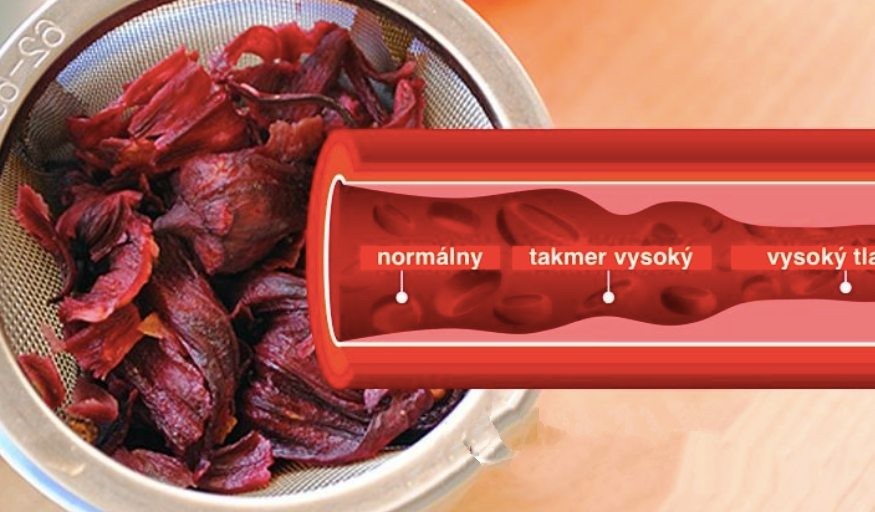
5. Hibiscus
A study conducted on participants aged 30 to 65 who consumed 250 ml of hibiscus tea after a high-fat breakfast showed an interesting result.
Researchers found that compared to the placebo group they experienced a reduction in blood pressure and a reduction in bodily inflammation.
Scientists now believe that hibiscus is a suitable natural remedy for treating this widespread civilization disease.
How to prepare tea to lower high blood pressure
As you could see, all the listed herbs are effective in lowering blood pressure.
Some of them dilate blood vessels, thereby increasing the space for blood flow. Others help the kidneys excrete excess fluids from the body, thereby reducing blood volume and thus pressure.
And others normalize heart activity, meaning they safely reduce the force with which blood is pumped through our body.
If you want to use all the combined effects, you can prepare tea from a mixture of these herbs, specifically hawthorn, linden, mistletoe and yarrow.
For 1 liter of tea use the following amounts of herbs:
- hawthorn – 2 teaspoons
- linden – 2 teaspoons
- yarrow – 2 teaspoons
- hibiscus – 2 teaspoons
For best results drink this regularly throughout the day for several weeks.
After a while your blood pressure will return to normal without you having harmed your body with chemical drugs.
Also remember that herbs return blood pressure to normal and do not cause it to drop excessively. That is something you do not have to worry about with herbs, unlike with drugs.