Article content
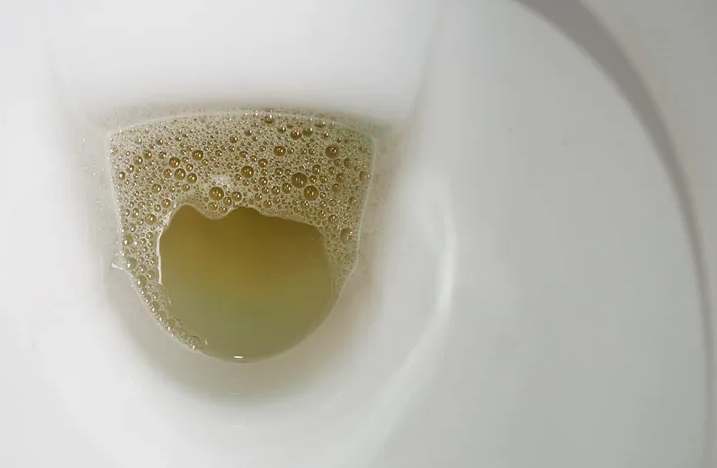
Urine reflects our health, and its appearance can suggest whether everything is okay with our body. Bubbles in urine may be harmless, but they can also indicate more serious health problems. So how can you tell the difference and when should you take notice?
Harmless reasons for bubbles in urine
-
Chemical reaction: Bubbles can appear if urine comes into contact with a container that contains residues of cleaning chemicals. These bubbles are usually harmless and disappear quickly.
-
Rapid urine flow: With a full bladder, urine may exit faster than usual, which can cause foam to form. This phenomenon is common and usually does not indicate any health problem.
-
Dehydration: If you don’t drink enough fluids, the concentration of chemicals in the urine is higher, which can cause it to foam. Replenishing fluids usually resolves this problem.
-
Stress: Persistent psychological stress can negatively affect kidney function, which can lead to proteins leaking into the urine and subsequent foaming.
-
Pregnancy: During pregnancy the kidneys have to work more intensively, which can cause a larger amount of protein to leak into the urine and subsequent bubbles. However, this condition should be monitored by a doctor.
When can bubbles be a sign of a more serious problem?
-
Proteinuria: Proteinuria means that there is too much protein in the urine, which under normal circumstances should not happen. This condition can be a sign of kidney disease, when the kidneys do not properly filter the blood.
-
Diabetes: This chronic condition can cause damage to the blood vessels in the kidneys, which leads to proteins leaking into the urine and the formation of foam. If you have diabetes and notice foamy urine, you should consult your doctor.
-
Cardiovascular disease: Excessively foamy urine can also be a sign of heart disease. High blood pressure can damage the kidneys, which can lead to proteins leaking into the urine.
-
Urinary tract infection (UTI): A urinary tract infection can increase the amount of protein in the urine and cause more residual bubbles. Typical symptoms also include dark and cloudy urine, stronger odor, pelvic pain, back pain, nausea and vomiting.
What to do when you notice bubbles in your urine?
If you notice bubbles in your urine, monitor whether they persist or recur. If the bubbles appear once or disappear after replenishing fluids, there is no reason to worry. However, if the bubbles persist or are accompanied by other symptoms (such as pain, change in urine color or odor), it is important to see a doctor.
Bubbles in urine can be a harmless phenomenon, but also a signal that something is wrong. Pay attention to your body’s signals and do not hesitate to consult any changes with a health specialist.