
Article content
Cold hands and feet are a common problem that can be a sign of many health conditions. This phenomenon occurs more often in women than in men and can be caused not only by external factors, such as low temperatures, but also by more serious health problems. If you are troubled by cold extremities, it may be a symptom of one of the following conditions:
1. Anemia
One common reason your hands and feet may be cold is anemia. Anemia is a condition in which you have a low number of red blood cells or a low level of hemoglobin, which is a protein in red blood cells responsible for transporting oxygen. This lack of oxygen in the blood can cause your extremities to feel cold. Other symptoms of anemia include fatigue, headache, and pale skin. If you have these symptoms, it is a good idea to have your iron levels checked.
2. Diabetes
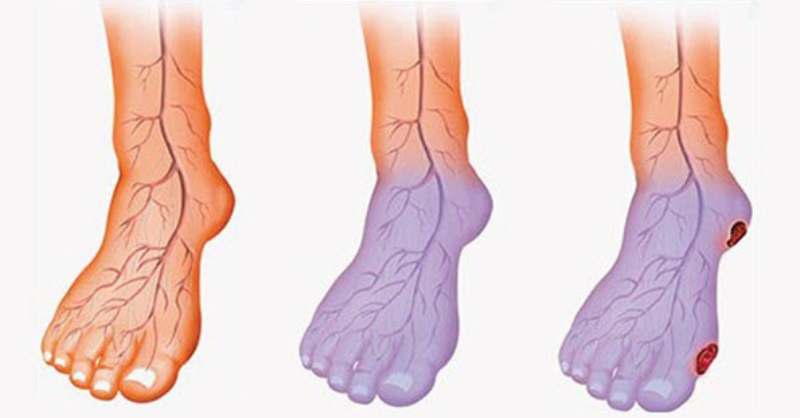
Cold hands and feet can also be an early sign of diabetes, especially if accompanied by other symptoms such as constant thirst, increased appetite, and sudden weight loss. Diabetes affects circulation and can cause impaired blood flow to the extremities, leading to their coldness. If you notice these symptoms, you should check your blood sugar levels as soon as possible.
3. Thyroid problems
The thyroid gland plays a key role in regulating metabolism. If its function is not optimal (hypothyroidism), it can slow metabolism and lead to feelings of chill and cold extremities. Other symptoms of thyroid problems include fatigue, drowsiness, slowed speech and movement, and increased sensitivity to cold.
4. Stress
Stress can negatively affect your health and cause your hands and feet to feel cold. Stress activates the production of the hormone adrenaline, which can lead to narrowing of the blood vessels and reduced blood flow to the extremities. This can cause your hands and feet to feel cold.
5. Cold
In some cases cold extremities may be caused by a common cold or the flu. If the coldness in the extremities is associated with other cold symptoms, such as a runny nose or cough, the cause may be more benign. However, if cold extremities persist after the cold subsides, it is important to look for other possible causes.
When to see a doctor
If your cold hands and feet last longer than you would expect, or are accompanied by other health problems, it is best to seek medical help. Thyroid problems, diabetes, or anemia are conditions that require professional diagnosis and treatment. An early visit to a doctor can help prevent more serious health problems and improve your quality of life.
Conclusion
Cold hands and feet can often be more than just an unpleasant sensation. If these symptoms are frequent or accompanied by other symptoms, do not hesitate to seek professional help. Maintaining your health and timely identification of the cause of your problems can be the key to effective treatment and prevention of more serious illnesses.


