Article content
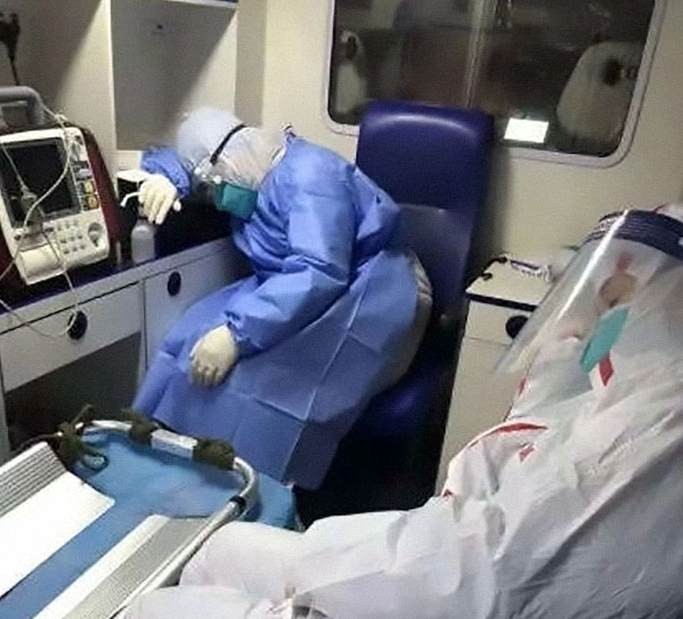
These photographs show nurses preparing for their first shift on wards with patients affected by this virus. They show the extensive preparations they must undergo: trimming or even shaving the sides of their heads so that their medical caps can fit completely against their heads. Other photographs show all the procedures they follow to prevent the spread of infection from patients.
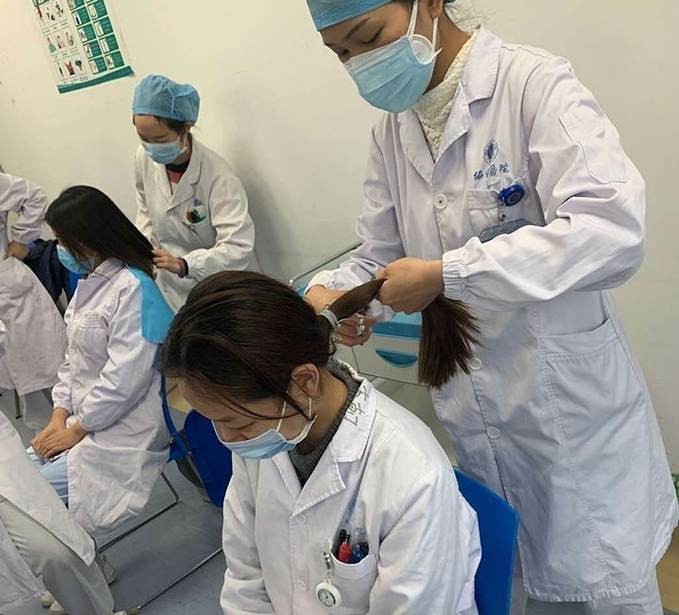
Why freshly cut hair?

Nurses are cutting each other’s hair and preparing protective equipment ahead of the coronavirus
Coronaviruses are a group of viruses that also cause the common cold, but some of them are known to cause more serious illness. The new coronavirus is reported to cause fever and respiratory symptoms (cough, difficulty breathing), with the BBC reporting that, as with most coronaviruses, this one presents the greatest risk of complications such as pneumonia in older people and in patients with weakened immune systems. Most people dying from the effects of this virus already had pre-existing chronic health problems.

Staff wear equipment to prevent the virus from contacting their eyes, nose and mouth
They were rushed to Wuhan from across China to help in overcrowded hospitals, where patients and staff were reportedly seen sleeping on the floor and were said to wear adult diapers to save time and avoid having to undress from tightly sealed protective suits.
A resident of Wuhan who lives with his father said that when his father fell ill and began to show typical coronavirus symptoms, he decided to rest, but after four days of illness a 40-degree fever forced him to seek medical help. By that time most hospitals in the city were already filled with queues of people who waited outside for several hours. The man says it took another two days before his father was admitted to a hospital, where he was treated for another three days. He is now, fortunately, recovering. This overload, which makes admitting new patients more difficult, exacerbates what the Chinese call widespread medical inequality. The disproportionate allocation of resources and qualified medical staff to hospitals in wealthier areas leads to distrust of local clinics, which means people go straight to these hospitals.
Overworked medical staff can fall asleep anywhere.