Article content
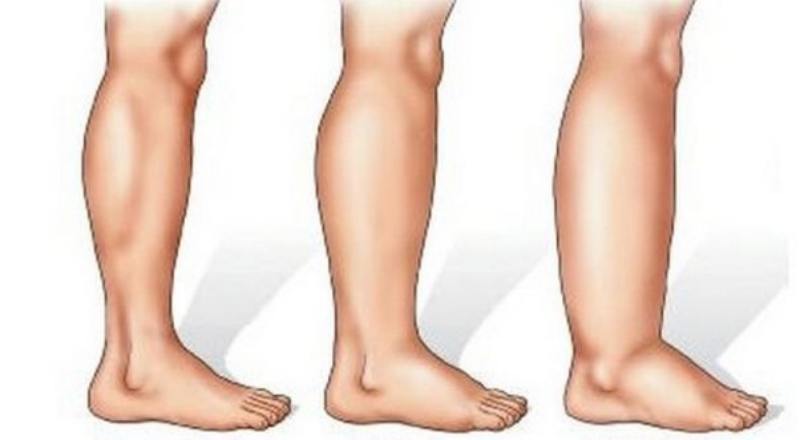
Swelling and pain in the lower limbs are common problems that can significantly affect quality of life. These issues affect women and men of various age groups and often arise from the accumulation of fluid in the legs. Reducing swelling is essential for comfort and health, so it is important to know their causes and relief options.
Why feet swell: most common causes
Prolonged sitting or standing
Prolonged immobility, whether while sitting or standing, often leads to swelling, especially during hot days, when fluid accumulates in the calves, ankles and feet.
Weak venous valves
With age or obesity, venous valves that maintain proper blood flow can weaken. When the valves do not function, blood can pool in the legs and cause swelling.
Lung disease
Chronic lung diseases, such as bronchitis, can increase pressure in the veins leading to the heart and lungs, which may manifest as swelling of the lower limbs.
Congestive heart failure
If the heart cannot effectively pump blood, fluids build up in the body, which most often manifests as swelling of the legs.
Pregnancy
The growing fetus can put pressure on the vessels in the lower limbs, increasing the likelihood of swelling. These can sometimes be associated with more serious conditions, such as preeclampsia.
Low blood protein levels
Protein deficiency can cause fluids to move into surrounding tissues, resulting in swelling in the legs. Causes may include malnutrition, liver problems, or kidney issues.
Kidney disease
Poorly functioning kidneys can cause fluid retention, which most commonly manifests as swelling of the legs.
Infection
Infections in the lower limbs, especially in people with diabetes, can cause swelling and pain. Diabetics should regularly check their feet to prevent complications.
Side effects of medications
Some medications, including hormonal and contraceptive preparations, can have unwanted side effects in the form of swollen feet.
Lymphedema
The accumulation of lymphatic fluid, for example after surgery or cancer treatment, can cause swelling of the limbs.
How to treat swelling of the feet naturally
Limit salt intake
Salt retains water, which can worsen swelling. It is recommended to limit salt intake and avoid foods high in sodium.
Rest with your legs elevated
Raising the legs above heart level can help reduce swelling. This position supports natural blood flow.
Use compression stockings
Compression stockings can help reduce swelling and support circulation in the legs, especially if the cause is a venous problem.
Positioning the legs during pregnancyPregnant women can try positioning their legs and
avoid prolonged lying on their back, which can improve blood circulation and reduce swelling.
Endovenous ablation to improve venous flow
A medical procedure that helps improve blood flow in the veins can be useful for recurring swellings caused by venous insufficiency.
General tips for relief from swelling
Protect swollen feet from injuries and extreme temperatures, as the skin in swollen areas is often fragile and more prone to infections.
With these tips and methods you can significantly reduce or prevent swelling of the feet. However, if problems persist, it is advisable to see a doctor to determine an accurate diagnosis and possible treatment.