Article content
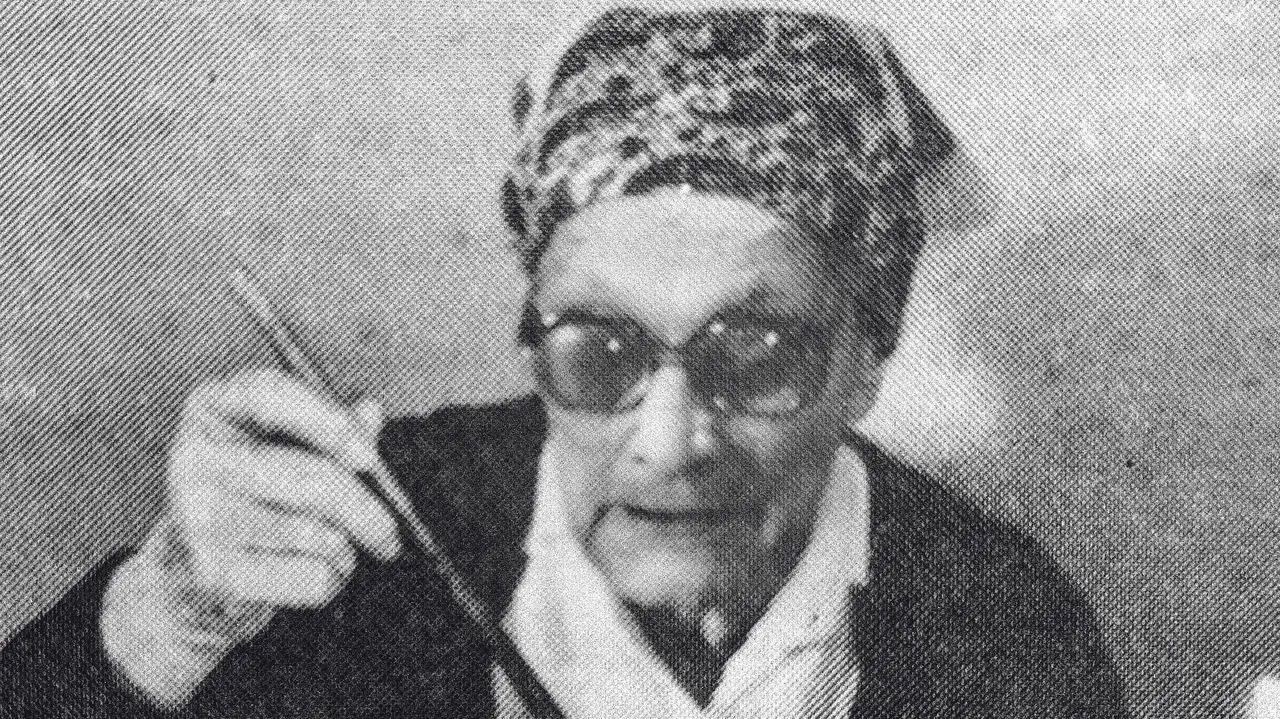
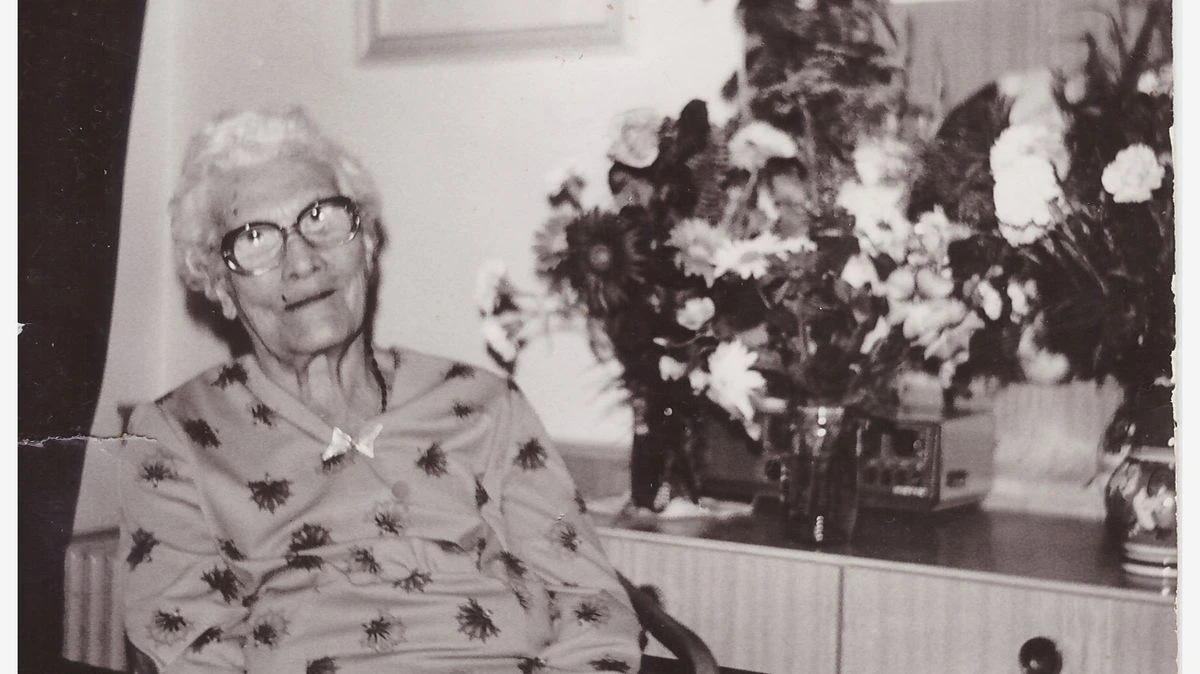
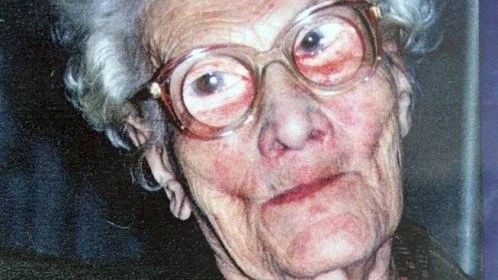
Božena Kamenická is among the notable figures of Czech folk herbalism and traditional healing. She was neither a doctor nor a scientist in the modern sense of the word; her knowledge was based primarily on practice, observation of nature and experiences passed down between generations. At a time when modern medicine was not commonly available, folk healers played an important role in everyday health care.
Roots in folk medicine and tradition
Folk medicine was for centuries a natural part of life. Health was not separated from lifestyle, work, diet or the relationship to nature. Božena Kamenická continued precisely this tradition, which emphasized respect for natural cycles, patience and long-term care for the body’s balance.
Herbs, tinctures and natural methods
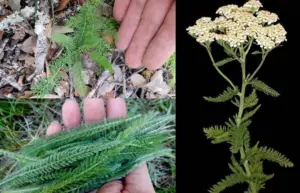
The basis of her approach was simple work with herbs, tinctures and other natural methods. It was not about complicated recipes, but about understandable and accessible methods that people could adopt themselves. Emphasis was placed on proper harvesting, processing and sensible use of herbs as part of everyday life.
View on health, illness and prevention
Health was perceived as a state of balance, not merely as the absence of disease. Illness was understood as a signal that this balance had been disrupted. Prevention therefore played a fundamental role – regular care of the body, mental well-being and lifestyle were considered the key to long-term health.
Traditional approach in the context of modern times
In today’s hurried times, when we often look for quick solutions, Božena Kamenická’s traditional approach acts as a reminder of the need to slow down and listen more to one’s own body. It is not about rejecting modern medicine, but supplementing it with greater personal responsibility and conscious care for health.
Legacy and inspiration for the present
Božena Kamenická’s legacy lies above all in a way of thinking. She teaches us that health care is a long-term process that arises from simple everyday decisions, respect for nature and awareness of one’s own needs. It is precisely this timeless philosophy that appeals to today’s generation, which is once again seeking a balance between modern life and natural principles.
Tips for traditional recipes inspired by Božena Kamenická’s approach
Božena Kamenická’s approach was based primarily on simplicity, regularity and respect for nature. The recipes associated with her name were neither complicated nor extreme – they were common procedures that could be easily incorporated into everyday life.
Among the most frequently mentioned forms were herbal teas prepared from one or a few herbs. These were drunk long-term and in moderation, often as part of a morning or evening ritual. More important than the herb itself was regularity and the calm with which the drink was taken.
Very popular were also tinctures, i.e., herbal extracts in alcohol. These were prepared from fresh or dried herbs and left to macerate for several weeks. Tinctures were valued for their durability and simple dosing, which made them a common part of the home herbal medicine chest.
Another traditional form were ointments and compresses, usually prepared from herbs macerated in fat or oil. These recipes arose from long-term experience and were used locally as part of body care, not as a quick solution to problems.
The common feature of all these recipes was an emphasis on moderation, patience and observing one’s own body. Recipes inspired by this approach are not about seeking miraculous results, but about returning to simple methods that support long-term balance and a conscious relationship to health.
Interesting personalities and people who sought her help
Although detailed official records of all the people she helped have not been preserved, according to memories, stories and contemporary mentions she was consulted not only by ordinary people from the area. Her name was associated also with personalities who occupied more prominent positions in society at the time.
It is reported that people from cultural and social circles sought her help, for example artists, more educated layers of society or people who were exposed to long-term psychological strain. These people often sought an alternative and calmer approach to health that was not based solely on suppressing symptoms, but on calming the organism as a whole.
Folk tradition also mentions that landowners, entrepreneurs and people with high work responsibility turned to her. These people often faced exhaustion, stress and imbalance, which corresponded to the areas that traditional herbalism naturally focused on.
Interestingly, regardless of social status, her approach to everyone was the same. It did not matter whether it was a simple person or a better-known personality. All were seen primarily as people who needed to restore the balance between body, mind and way of life.
It is precisely this equality, discretion and humane approach that explain why specific names were often not preserved. All the stronger, however, remains the legacy itself – the trust people placed in her and the reputation that crossed the boundaries of ordinary folk practice.