

Article content
The use of baking soda in the garden is very varied. Soda protects plants from pests and diseases and reduces soil acidity. Few people know that baking soda is harmless for crops that grow in the garden. It can therefore be used for mature fruiting plants, as well as for seedlings and also flowers.
Nourishing fertilizer for cucumbers
Let’s prepare the simplest solution together, thanks to which cucumbers stay green without yellow leaves, fruit for a long time and are healthy.
We need:
- 2 tablespoons of baking soda;
- 10 l of hot water.
Procedure:
1. Add the soda to the hot water and stir. Let it cool.
2. Pour 0.5 l at the root of each plant. If you grow cucumbers outdoors, it’s good to use the solution in dry weather.

3. If the cucumbers are attacked by pests, prepare the following solution: 50 g of baking soda, 10 l of water and 50 g of liquid laundry soap. Mix and spray onto the leaves. The health of the plants requires 3 such treatments.
However, you must remember not to use an excessive amount of baking soda. An overly concentrated solution will cause cucumbers to stop producing fruit.
The baking soda solution is used three times during the season. Baking soda increases and prolongs the fruiting period, fights pests, molds and various insects, for example aphids, and improves the taste qualities of vegetables (cucumbers, tomatoes, eggplant).
Other uses of baking soda in the garden
Soda can be easily bought at any grocery store. Its range of applications is very wide: it can help in almost any situation.
Pick-me-up for your plants
In two liters of lukewarm water dissolve 1 tablespoon of baking soda. Water the plants such as phlox, sweet pea or carnation with this mixture from time to time. For these plants, the mixture of soda and water is literally a pick-me-up.
Helps grapes
A common problem for growers is gray rot. Soda helps here. During berry ripening, spray the vine with this solution: dissolve 75 g of soda in 10 liters of water. The plant will not only recover, but the sugar content in the berries will also increase. With a similar solution you can spray fruit trees to fight leaf-eating caterpillars.
For gooseberries and currants
You can help gooseberries and currants against diseases and molds with this solution: 1 tablespoon of baking soda, 1 aspirin tablet, 1 teaspoon of any grated bar soap or liquid soap, 1 tablespoon of vegetable oil, 4.5 liters of water.
Cucumbers
Cucumbers will also thank you for the help of baking soda. Often the leaves of even young cucumbers turn yellow and the fruits stop developing properly. This is not premature wilting, but a sign of disease. Prepare the solution: 1 tablespoon of soda diluted in 10 liters of water. Spray on the cucumbers and you will prevent this phenomenon.
Eliminates powdery mildew
Soda is also an opponent against powdery mildew, which often attacks cabbage. Dissolve one teaspoon of soda in a liter of warm water and spray the plants with the solution. You can do this every three weeks as prevention; it will not harm the vegetables, on the contrary.
If caterpillars attack the cabbage, sprinkle the cabbage leaves with dry powdered soda. The larvae will be removed immediately.
There is another proven method that can improve cabbage – valerian. Steep valerian root in 3 liters of water and add 1 tablespoon of liquid soap. This solution should be sprayed on the fruits that pests are targeting.
A month before harvesting heads for storage, it is an excellent practice to spray the heads with an ammonia solution — (40 ml) diluted in a 5-liter bucket of water and add a few tablespoons of liquid soap. Cabbage sprayed in this way will rot less and you will be able to store it much longer.
For beautiful geraniums
Geraniums and begonias need an alkaline soil pH. That is why a watering containing baking soda will benefit them. It will create ideal conditions in the soil for growing these ornamental plants. Apply the soda solution to the soil around the plants.
Against slugs and ants
If you face the problem of annoying slugs and ants in spring and summer that destroy your crop, be sure to remember this trick. Sprinkle baking soda around the beds. This will create a natural barrier that pests will not cross. Alternatively, you can sprinkle slugs directly with soda. The soda will dry them out immediately.
Simple soil test
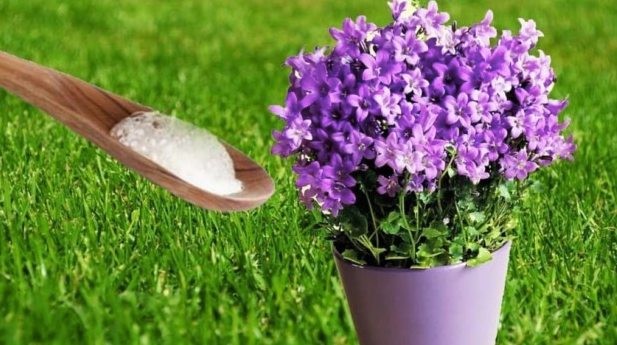
If you want to find out whether you have acidic soil in your garden, use a simple test with baking soda. Slightly moisten the soil with water and sprinkle on soda. If you see the soil “bubble”, it’s a sign that it is acidic.
Gets rid of plant molds
Make a simple homemade fungicide. It’s really simple, you only need water (3litre) and baking soda (4 tablespoons). Mix and apply with a sprayer to the affected areas.
Nourishment for roses
Baking soda will provide nourishment for your roses. Mix 1 tablespoon of baking soda with ½ teaspoon of ammonia and 1 teaspoon of salt. Dissolve this mixture in 3 liters of water. Water the roses with this solution once every 14 days. They will grow and bloom beautifully
Gets rid of weeds
Are you bothered by weeds that grow over the sidewalk or paving stones? You can reliably burn them with baking soda. Mix 3-4 tablespoons of baking soda with one liter of water and apply directly to the weeds on the sidewalk. We do not recommend using this method to remove weeds in the flowerbed, as you may damage your plants.
Tomatoes will be sweeter
If you want your tomatoes to have a sweeter taste, sprinkle soda around the tomatoes. Their flavor will be improved.
Cut flowers last longer in a vase
Have you received cut flowers and want them to last as long as possible: Into the vase of water sprinkle ½ teaspoon of baking soda. The flowers will remain in perfect condition much longer.


